
Last updated November 24, 2026
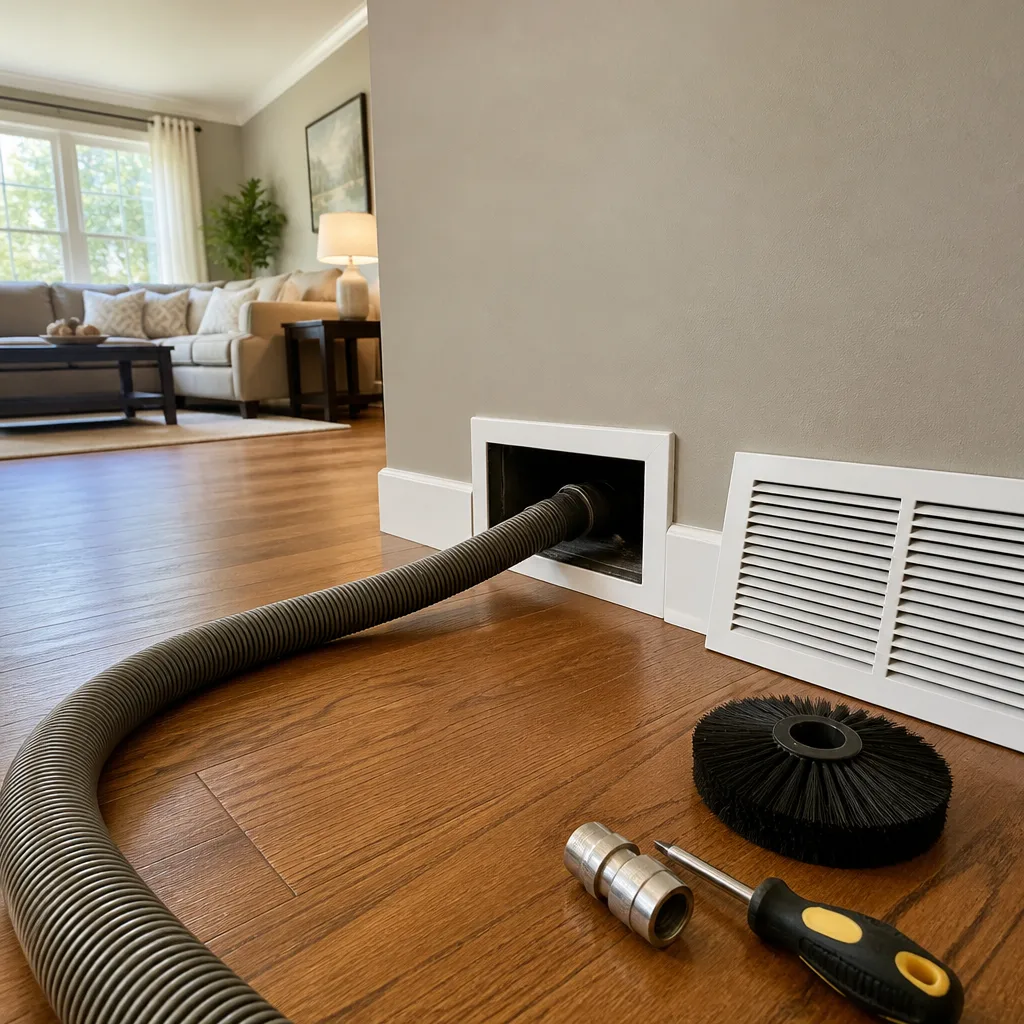 Whole-home duct cleaning
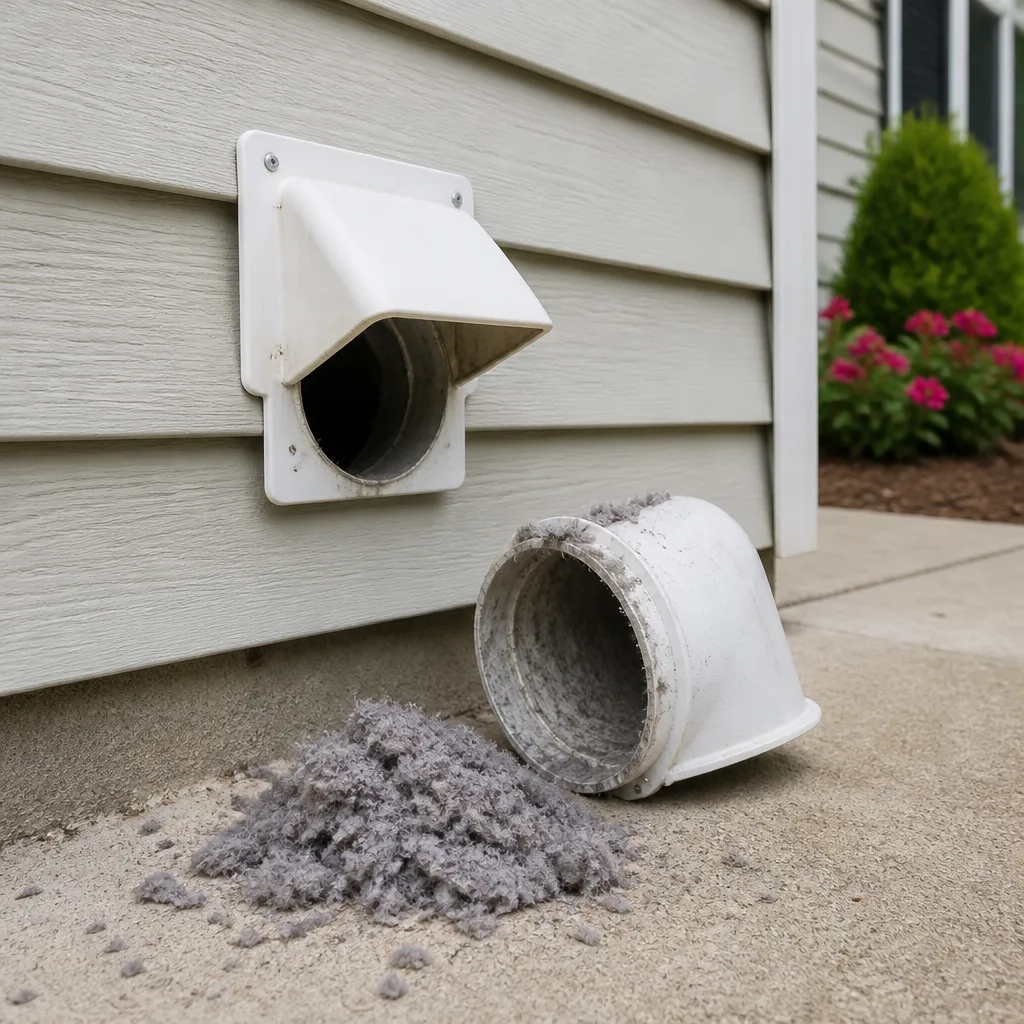 Dryer vent cleaning
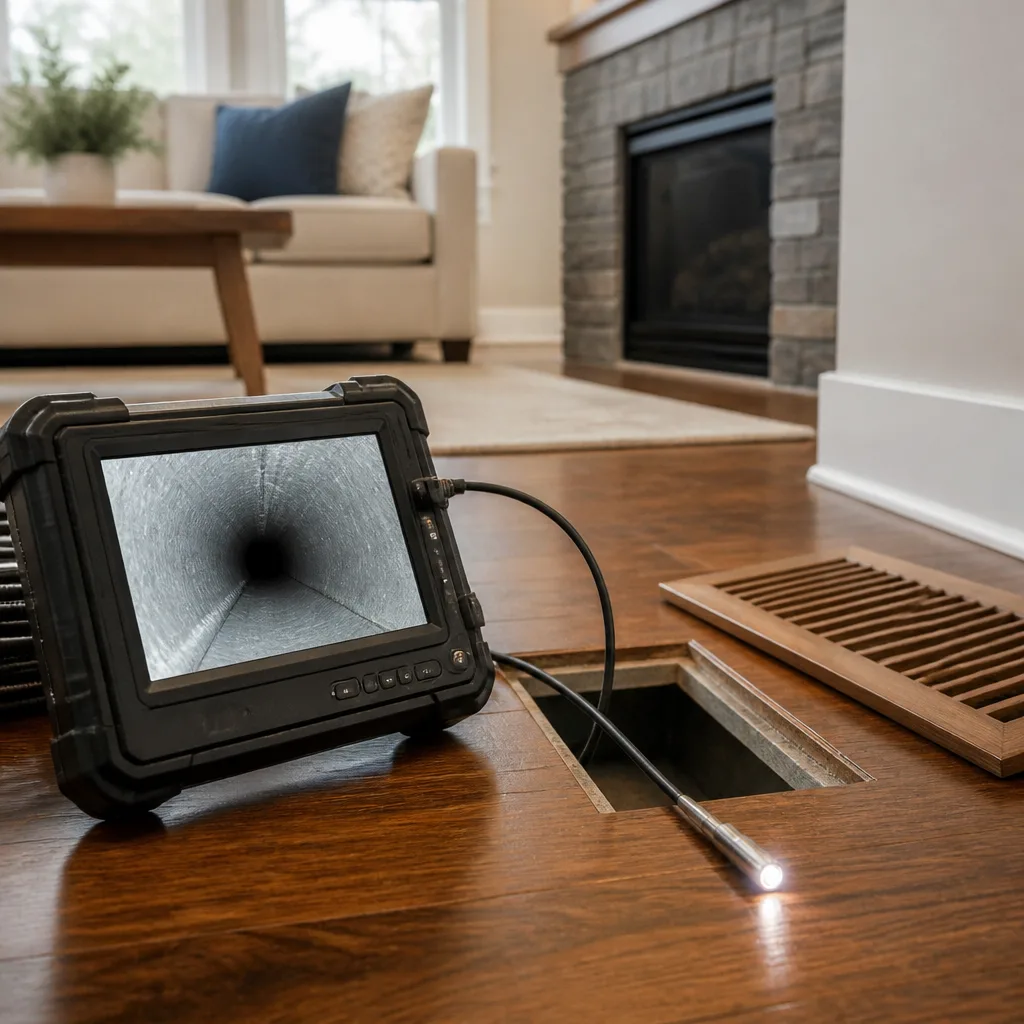 Camera inspection
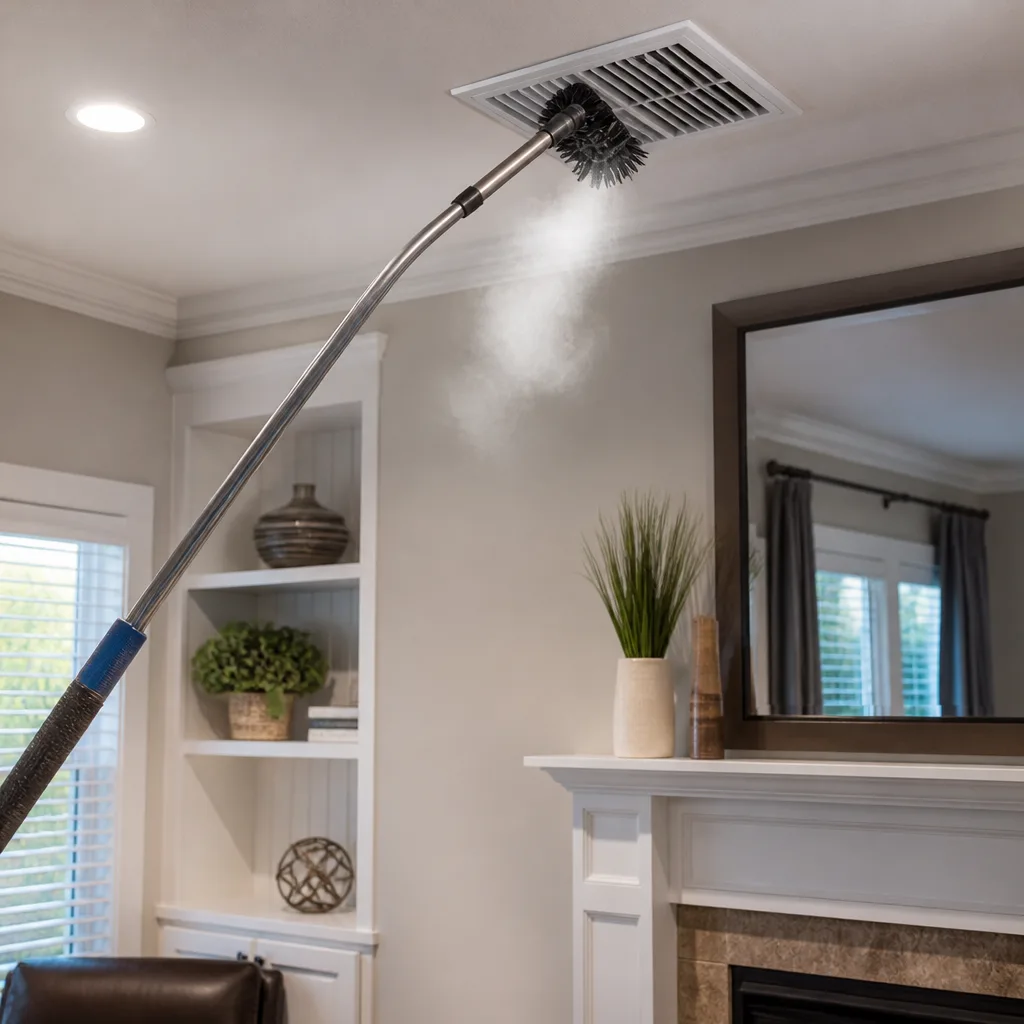 Sanitizing & deodorizing
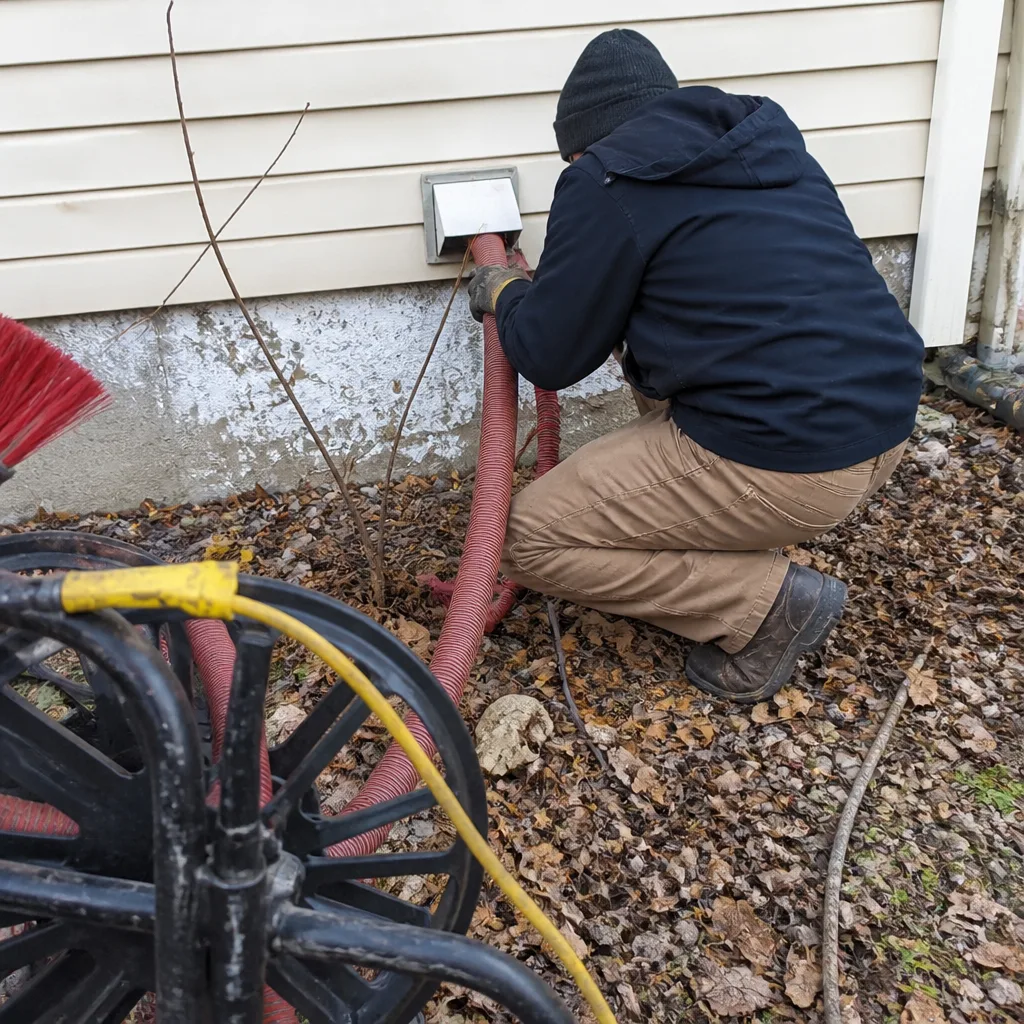
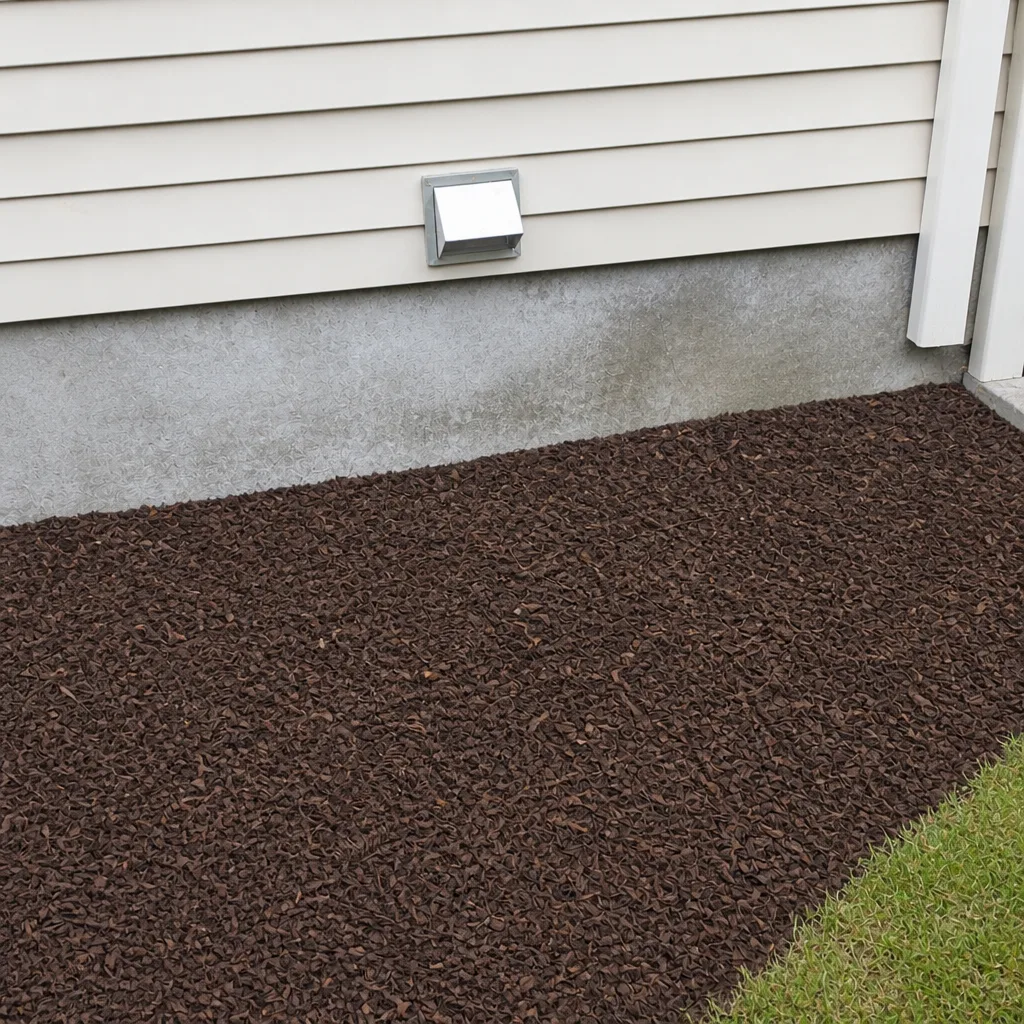
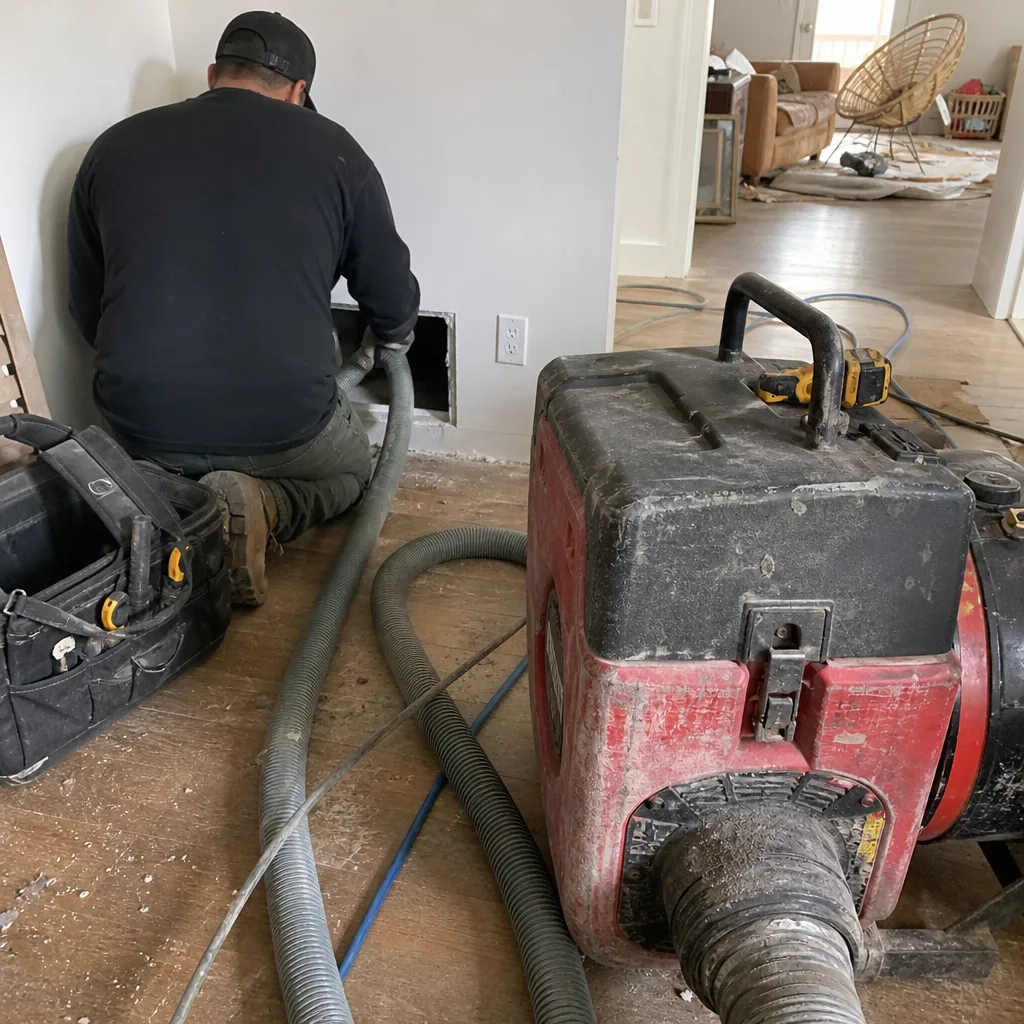
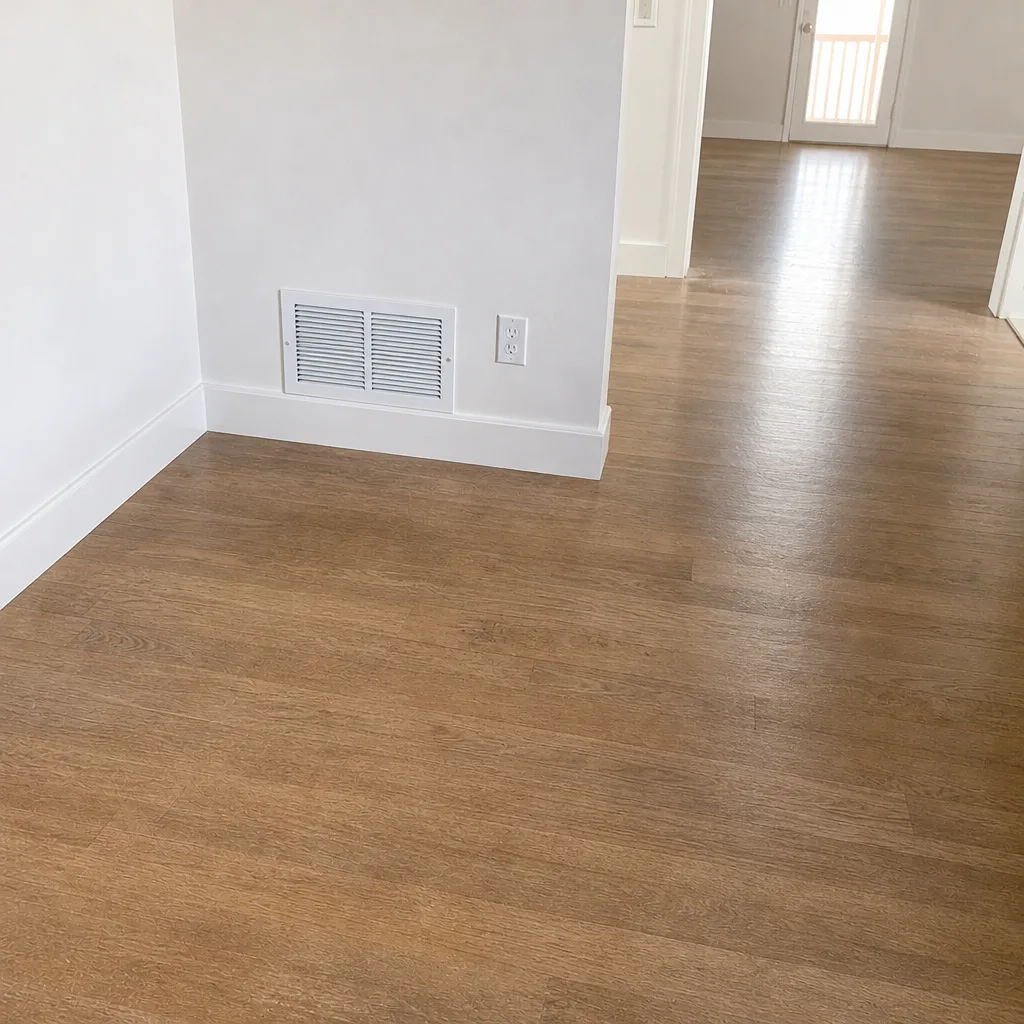
Whole-system duct and dryer vent check with before-and-after photos - you see exactly what came out of your vents
That "$99 whole-house special" is a bait ad - the real number appears once they are in your hallway, or the "clean" is a shop-vac at the register. We photograph the inside of your ducts before and after instead.
Air Duct Cleaning Maintenance Checklist for Salt Lake City Homeowners
If your filters are changed on schedule and your ducts are still loaded with debris a few years later, the filter isn’t the problem. It’s the assumption that one input point controls the entire system. A filter protects the blower and the coil. It does nothing for the return-side joints, the register boots, the flex runs in a hot attic, or the coil face where a season of dust and condensate turns into a paste. Ducts are a network, and networks fail at their weakest connection, not their cleanest filter. This guide gives you the inspection protocol a trained technician uses between professional visits, written for Salt Lake City homes and the specific failure points our climate and housing stock create.
Quick Answer
A practical duct maintenance checklist for Salt Lake City homes combines monthly filter and register checks, quarterly visual inspections of accessible flex duct connections and the indoor coil, and annual professional service for the air handler, coil, and duct interior. Track heating and cooling runtime alongside each check, because rising runtime between filter changes is the earliest signal that debris or leakage is building up somewhere you can’t see.
Styles & brands we work with
- Whole-home duct cleaning
- Dryer vent cleaning
- Camera inspection
- Sanitizing & deodorizing
Table of Contents
- Monthly Tasks: What to Check and What to Log
- Choosing the Right MERV Rating for Salt Lake City Inversion Season
- Quarterly Flex Duct Inspection: Reading Joint Separation Early
- Hard Water, Coil Corrosion, and Accelerated Debris Buildup
- Register Discoloration: When to Photograph It and When to Call
- Tracking HVAC Runtime as a Duct Cleanliness Signal
- The Annual Professional Visit: What Should Actually Happen
- Seasonal Cadence for Salt Lake City Homes
Monthly Tasks: What to Check and What to Log
Monthly maintenance is mostly observation, and observations only become useful when they’re written down. A register that looks slightly gray this month is meaningless in isolation. The same register compared to a photo from four months ago tells you whether the buildup is active or static. Keep a simple log in a notes app or a notebook on the furnace: date, filter condition, register condition, runtime hours if your thermostat tracks them, and anything that looks off. Fifteen minutes a month is enough.
Here’s what to actually check each month:
- Filter condition and fit. Pull the filter and hold it to a light. If light stops passing through the middle third, it’s done regardless of what the calendar says. Check that the filter seats flush in its slot with no visible gap around the edges. A filter that’s the wrong size lets unfiltered air bypass it entirely, which is worse than a dirty filter because it sends debris straight to the coil.
- Register airflow by hand. Hold your palm a few inches from each supply register. You’re feeling for consistency, not measuring CFM. One register noticeably weaker than the others points to a separated joint or a collapsed flex run upstream. Weak returns across the whole house suggest a dirty blower or a restricted filter.
- Register face and surrounding drywall. Look for dark streaking around the register frame and ghosting on the drywall just outside it. Streaking means air is escaping around the boot rather than through the grille, and that escaping air carries dust that stains the surface over time.
- Filter slot and cabinet interior. If you can see inside the air handler cabinet, check for dust accumulation around the blower housing. A clean filter with a dirty cabinet means air is finding a way around the filter somewhere.
- Thermostat runtime hours. Note the runtime figure if your thermostat reports it. If it doesn’t, note the daily heating or cooling hours from your utility app. Same weather, same setpoint, more runtime than last month is a signal.
Two minutes of smelling the air at a return grille is also worth doing. A musty or earthy smell at the return points to moisture somewhere in the system, and in Salt Lake City that usually means condensate from the cooling season sitting in a pan or on a coil face rather than a duct leak. The smell tells you where to look next.
Choosing the Right MERV Rating for Salt Lake City Inversion Season
Salt Lake City sits in a valley that traps cold air under warmer air during winter inversions, and the particulate that settles into that trapped layer gets pulled into return air along with everything else. That’s the climate fact that should drive your filter choice. The common advice to “just use a basic filter” is written for homes with no particulate problem. Ours isn’t one of those homes.
MERV ratings, in plain terms:
- MERV 8 – the standard builder-grade pleat. Captures pollen, dust mites, and larger particulate. Adequate in summer, thin protection during inversion weeks.
- MERV 11 – meaningfully better on fine particulate. This is the practical floor for Salt Lake City homes during inversion season, provided your system can handle the pressure drop.
- MERV 13 – captures fine smoke and ultrafine particulate well, but it’s restrictive. On older systems with undersized returns, a MERV 13 can starve the blower and drop airflow enough to cause coil freeze-up in summer.
The catch with higher MERV ratings is static pressure. A filter that’s too restrictive for your blower moves less air, which means the coil runs colder in summer, condensate doesn’t drain as cleanly, and dust sticks to a wet coil face instead of passing through. If you want to step up to MERV 11 or 13, have the static pressure measured rather than guessing. That’s a ten-minute check with a manometer.
A practical schedule: MERV 8 in summer when the load is on cooling and airflow matters most, MERV 11 during inversion months when outdoor particulate drives indoor loading. Change either one at 60 to 90 days, or monthly if you have pets, if the system runs continuously, or if there’s active construction within a mile of the house. New builds and homes near active development in the western and southern Salt Lake Valley load filters faster than the calendar suggests.
Quarterly Flex Duct Inspection: Reading Joint Separation Early
Flex duct is the most common duct material in Salt Lake City attic and crawlspace runs, and its failure mode is quiet. The inner liner separates from the collar at the boot or the plenum tap, and the insulated outer jacket hides it. Air escapes into the attic instead of the room. You don’t see a hole. You see a room that doesn’t heat evenly and a utility bill that drifts upward.
Once a quarter, put on a dust mask and a headlamp and go look at the accessible runs. You’re checking four things:
- The collar connection at each register boot. Look for the inner liner pulling back from the metal collar. A properly seated liner wraps the collar and is secured with a zip tie or mastic. If you can see bare metal collar with the liner slid down past it, you have separation.
- The plenum tap. Where the flex run connects to the main trunk, check for the same liner slip. This is the highest-pressure point in the system and the most common failure location.
- Tape and mastic condition. Duct tape that has dried out and lifted at the edges is a leak in progress. So is mastic that has cracked and separated from the collar. Look at the underside of every taped joint, because gravity pulls the failure down where you can’t see it from above.
- Sagging runs and sharp bends. A flex run that sags more than a few inches between hangers collects dust on its low side, and a bend tighter than about 90 degrees crushes the liner and cuts airflow. Both accelerate the contamination they create.
What early separation looks like: the inner liner is still touching the collar but the zip tie has loosened, or the liner has slid back a quarter inch and the tape is holding it. That’s the point to repair. Once the liner has pulled back an inch, the joint is blowing attic air into the supply duct and pulling dust from the insulation. Joint separation at a boot also causes the register to whistle or hiss under load, which is one of the easiest early signs to catch without climbing into the attic.
Some of this is a visual check you can do yourself. The repair itself, especially at the plenum tap where the system is under pressure, is a job for professional-grade mastic and mechanical fastening, not a roll of foil tape. Duct repair and sealing is a named part of what we do precisely because it’s the structural cause of contamination and energy loss, not a surface problem to clean around.
Hard Water, Coil Corrosion, and Accelerated Debris Buildup
Salt Lake City water runs hard. That matters for ducts in a way most checklists don’t mention: the mineral content in the water supply builds up on the indoor coil during the cooling season, and the scale that forms gives dust and biological growth a textured surface to grab onto. A clean coil sheds condensate and stays relatively clear. A scaled coil stays damp, holds debris, and slowly loses heat-transfer efficiency.
What to look for if you can see the coil:
- White or chalky mineral deposits on the coil face and drain pan. That’s scale from hard water. It’s the base layer that everything else sticks to.
- Drain pan standing water or a slimy film. The pan should drain fully after the cooling cycle ends. Standing water in a hard-water system concentrates minerals and feeds biological growth.
- Corrosion at register frames and chrome trim. Look for pitting or bubbling on metal register frames, especially in bathrooms and kitchens where humidity spikes. That’s a sign of chronic moisture in the airstream, often from a coil that isn’t draining cleanly.
- Rust-colored staining at the supply boots. Galvanized boots that show rust at the seams are condensing more than they should, which points upstream to airflow or coil problems.
The practical fix is two-part. Keep the coil and drain pan clear at the annual professional visit, and address the water side with a whole-home treatment that reduces mineral loading before it reaches the coil. We install Aprilaire systems for exactly this reason, because the coil and the ducts downstream of it stay cleaner when the water feeding the system is conditioned. That’s not a duct cleaning problem solved by cleaning the duct. It’s the source.
Register Discoloration: When to Photograph It and When to Call
Not every gray register needs professional attention. Some register discoloration is cosmetic, and some is the visible end of an active problem. The difference is in the pattern, the rate of change, and what’s happening around it.
Photograph and monitor:
- Even, light gray dust film on the register face that wipes away with a dry cloth and returns over weeks, not days.
- Dust concentrated on the horizontal fins, with clean gaps between them. That’s normal loading on the surface that catches the most air.
- Discoloration that appears identical across every register in the house and hasn’t changed since your last professional cleaning.
Call for assessment:
- Dark streaking or “ghosting” on the ceiling or wall around the register frame. That’s air escaping around the boot, and it’s a sealing problem that cleaning alone won’t solve.
- Black or dark gray soiling that reappears within days of wiping. Active return of that much material means a source upstream, often a separated joint pulling from an attic or crawlspace.
- Discoloration concentrated at one or two registers while the rest are clean. That points to a localized leak or a failed run, not general contamination.
- Any visible staining that looks like moisture: darker edges, bubbling paint, or a soft spot in the drywall around the register. Moisture in the duct system is the urgent category.
- Discoloration that appears alongside a musty smell at that specific register.
Take a dated photo of every register the first time you do this check. Compare quarterly. A slow, even darkening over a year is normal. A change you can see in a month is not, and photographing it gives us or any technician something to work from that a verbal description can’t match.
Tracking HVAC Runtime as a Duct Cleanliness Signal
Your thermostat’s runtime report is the closest thing you have to an inside view of the duct system between professional visits. Here’s the logic: a clean, well-sealed duct system delivers heated or cooled air to the rooms at the design rate. When ducts leak or the coil and blower load up with debris, the same thermostat setpoint requires longer runtime to satisfy the same load. The house stays comfortable. The system just works harder to get there.
How to use the number:
- Establish a baseline. Pick a stretch of steady weather, ideally two weeks with similar outdoor temperatures, and record daily runtime hours from your thermostat app or utility portal.
- Compare like to like. Compare the same month across two years, or the same two-week window before and after professional service. Comparing a mild October to a cold January tells you nothing.
- Watch for a steady upward drift. A slow climb in runtime at the same outdoor temperature, same setpoint, same filter condition, is the signal. It could be duct leakage, a dirtier coil, a failing blower capacitor, or refrigerant charge. The point is that something in the system is losing efficiency, and it’s worth professional assessment.
- Look for room-by-room imbalance. If one room always runs five degrees behind, the issue is distribution, not total runtime. That’s a duct problem, and it’s the kind duct repair and sealing is designed to fix.
On our professional visits we measure static pressure at the air handler, which gives a more direct read on duct restriction than runtime does. Runtime tracking is the homeowner’s version of the same signal, and it’s the reason we ask for a runtime log when a homeowner calls about a comfort complaint. It shortens the diagnosis and it tells us whether to look at the ducts, the coil, or the equipment.
The Annual Professional Visit: What Should Actually Happen
An annual professional visit should do more than blow air through the ducts. If all you get is a rotary brush down the main trunk and a coupon price, the visit is incomplete. A full service call on a Salt Lake City home involves cleaning, inspection, and repair assessment in one pass, because the failures that cause contamination are the same failures that cause energy loss.
What to expect from a professional-grade job:
- Containment and negative pressure. The system should be under negative pressure with a HEPA-rated vacuum connected, so dislodged debris is captured rather than pushed into the living space. We use Nikro HEPA systems rated to capture particles down to 0.3 microns, and Abatement Technologies air scrubbing on every job because remediation-grade extraction is what the work requires.
- Mechanical agitation of the full run. Rotobrush rotary-brush extraction reaches the duct walls, not just the airstream. A compressed-air blow-out without mechanical agitation leaves the adhered layer in place.
- Air handler and coil cleaning. The blower wheel, cabinet, coil face, and drain pan all get cleaned. Dust that has passed the filter is sitting on these components, and cleaning the ducts without cleaning the equipment sends new debris downstream immediately.
- Joint and connection assessment. Every accessible collar, plenum tap, and boot gets checked for separation and resealed as needed. This is the difference between cleaning around a problem and fixing it.
- Sanitizing where warranted. Moisture-hit systems or systems with biological growth get a sanitizing pass after cleaning, not before.
- Before-and-after documentation. Photos of your own duct interior and coil, not stock images. You should be able to compare them yourself.
The full picture is cleaning, HVAC cleaning, duct repair and sealing, and sanitizing performed on the same visit by the same technicians. We also do dryer vent cleaning as a separate fire-safety service, and the lint loading that accumulates in a dryer vent is the same failure mode as duct contamination: a slow buildup in a confined run that nobody inspects until there’s a problem. When a homeowner books duct service, it’s worth asking about the dryer vent at the same time.
Seasonal Cadence for Salt Lake City Homes
Salt Lake City has two distinct loading seasons and two distinct failure modes, and the checklist should shift with them. Spring and early summer are the cooling-load months when the coil face and drain pan do the most work. Winter brings inversion particulate into the return air and puts the heating side under constant load. The shoulder seasons are the right time to schedule professional service, because that’s when the system is at rest and findings can be addressed before the next load season starts.
A practical annual cadence:
- March, before cooling season: Professional coil and air handler cleaning, filter change to a MERV 8 for cooling airflow, joint inspection in the attic before the heat. If you’re considering a MERV 11 for summer, have static pressure measured first.
- June through August, monthly: Filter check every 30 days, drain pan visual if accessible, runtime tracking against last summer’s baseline.
- September, before heating season: Filter change to MERV 11 for inversion season, full register and boot inspection, photograph every register for the annual comparison.
- November through February, monthly: Filter check every 30 days (inversion loading is heavy), register airflow by hand, watch for streaking around the frames. This is also the season when duct leakage hurts the most, because you’re paying to heat attic air.
- April or October, shoulder season: Schedule professional duct cleaning and full inspection. This is the window when you can catch joint separation, deferred repair, and coil scaling before the next load season locks in the damage.
Two additional annual tasks: clean the dryer vent at the shoulder-season visit, and check the condensate drain line before summer. A backed-up drain line in a hard-water system is a slow leak waiting to happen, and it’s the kind of thing that gets found in the annual inspection rather than after the ceiling stains.
Common Mistakes to Avoid
- Filter-only maintenance. Changing the filter on schedule and skipping everything downstream is the most common mistake we see in Salt Lake City homes. The filter protects the blower. The ducts, coil, and joints need their own inspection cadence.
- Ignoring a MERV jump without measuring static pressure. A MERV 13 filter on an undersized return starves the blower. Always have static pressure measured before stepping up, especially on systems over a decade old.
- Using duct tape as a permanent seal. Foil tape lifts at the edges within a few seasons in a hot Salt Lake City attic. Mastic and mechanical fastening hold. A loose tape joint is a leak in progress, and it’s the most common thing we find on a first inspection.
- Skipping the register photo log. Without a dated photo, you can’t tell slow normal buildup from active contamination. Photograph every register once, then compare quarterly.
- Wiping down registers but never looking inside the boot. The visible face of a register grille stays reasonably clean while the boot and flex run behind it load up. Cleaning the surface tells you nothing about the duct.
- Booking a cleaning without an inspection. A rotary brush down the trunk without a joint assessment and coil cleaning leaves the structural causes in place. The ducts are clean until the next separated joint dumps attic air into the supply.
- Ignoring your own runtime data. Thermostats log runtime, and a slow upward drift is the earliest signal a duct problem exists. A five-minute check against last year’s numbers catches what visual inspection can’t.
See the difference
 Before
 After
 Before
 After
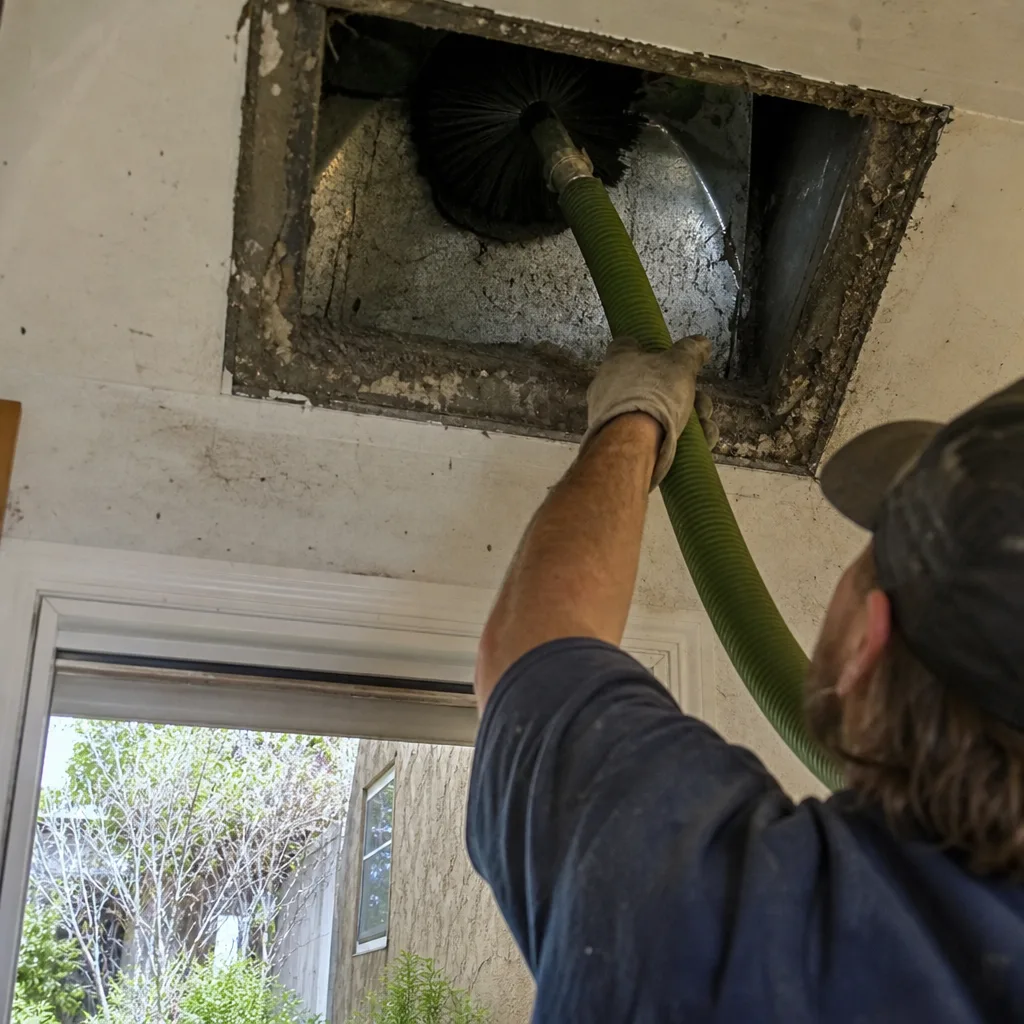 Before
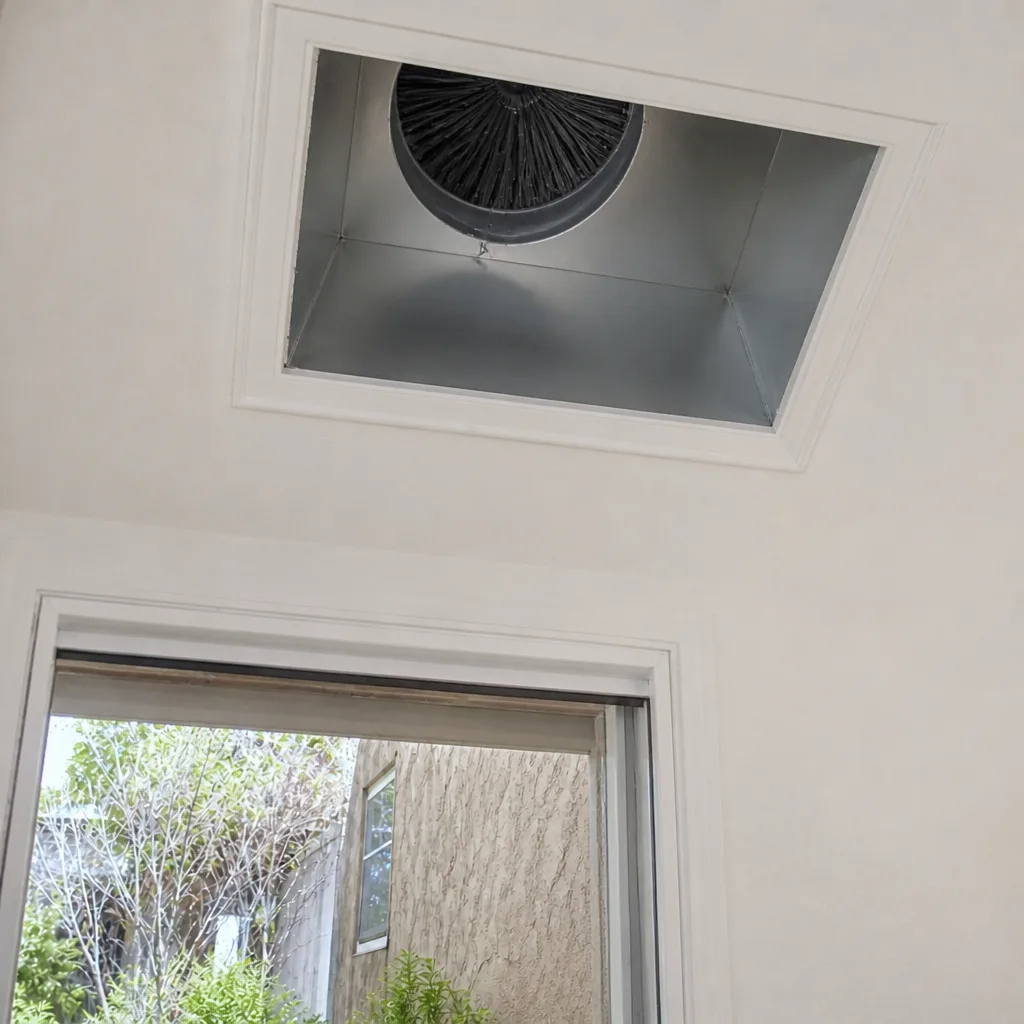 After
When to Call a Professional
Call a professional when you find active streaking or ghosting around a register frame, when you see the inner liner of a flex run pulled back from its collar, when one register is noticeably weaker than the rest, or when the runtime log shows a steady climb at steady outdoor temperatures. Call if you see mineral scale or standing water on the coil or drain pan, if a musty smell follows the cooling cycle, or if register discoloration reappears within days of wiping. Call after any renovation, pest, or moisture event, because drywall dust and insulation fibers migrate into the return system. Salt Lake City Air Duct Cleaning Pros offers free estimates in Salt Lake City. We clear it, seal it, and sanitize it on the same visit, with before-and-after photos of your own ducts so you can see what changed. Call (866) 937-7589 and we’ll put a technician-grade inspection behind the checklist you can’t do from the thermostat.
Frequently Asked Questions
Every two to three years for most Salt Lake City homes, with a full inspection every visit. The interval shortens to annually if you have pets, respiratory concerns, active renovation nearby, or a home built before the mid-1990s where duct sealing has never been done. Inversion season loads the return side heavily, so homes in the valley floor neighborhoods tend to hit the cleaning threshold faster than homes on the benches.
MERV 11 is the practical floor during inversion months, provided your system’s static pressure can handle it. Inversion weeks put fine particulate into return air that a MERV 8 filter passes straight through to the coil. Have static pressure measured before you step up, because a restrictive filter on an undersized return costs more in airflow than it saves in filtration. Call (866) 937-7589 for an exact quote on an inspection.
Single-register streaking almost always means air is escaping around that boot, carrying dust that stains the surrounding drywall. That’s a sealing problem, not a general contamination problem, and cleaning the duct without resealing the boot won’t stop it. Check the boot connection at the attic side first; the streaking points you to where the joint has failed.
Ask for before-and-after photos of your own duct interior, your own coil, and your own plenum tap. A legitimate service documents the work with your system, not stock images. We provide that documentation on every job, and we clean with Nikro HEPA-rated equipment so you can see what came out. Call (866) 937-7589 to book an estimate.
Yes, indirectly. Salt Lake City’s hard water scales the indoor coil, and a scaled coil stays damp and holds debris instead of shedding condensate. That debris loading on the coil face is upstream of the ducts, so it feeds contamination downstream. Coil cleaning at the annual visit plus a whole-home water treatment addresses the source.
A loose zip tie on a fully accessible collar is within reach for a careful homeowner. A separated plenum tap or a liner that has slid off the collar should be repaired professionally, because the joint is under pressure and a failed repair dumps conditioned air into the attic. If you find separation at the plenum, stop and call (866) 937-7589 for an assessment.
The Bottom Line
Filter changes are the easy part of duct maintenance, and they’re also the part that gives homeowners false confidence. The real work is the inspection protocol: monthly register and runtime checks, quarterly flex duct joint inspections, a photo log of every register, and an annual professional visit that cleans the coil and equipment, assesses the joints, and repairs what cleaning alone can’t fix. In Salt Lake City, that protocol has to account for inversion-season particulate loading, hard-water coil scaling, and the flex duct failures that come with attic heat and settlement. Do the checks. Log what you find. Then call us for the annual service and the repairs that need professional equipment and professional sealing. For more on the full scope, see our air duct cleaning service and start with Salt Lake City Air Duct Cleaning Pros.
If you’d rather start with the professional visit than the checklist, call (866) 937-7589 for a free estimate in Salt Lake City. We answer 24/7. Fast dispatch from 7am to 7pm, Sunday through Friday. Our technicians have up to 11 years of experience, and we use professional-grade Rotobrush and Abatement Technologies equipment on every job, with a flat price per system agreed before work starts.
Written by the team at Salt Lake City Air Duct Cleaning Pros.