
Last updated November 24, 2026
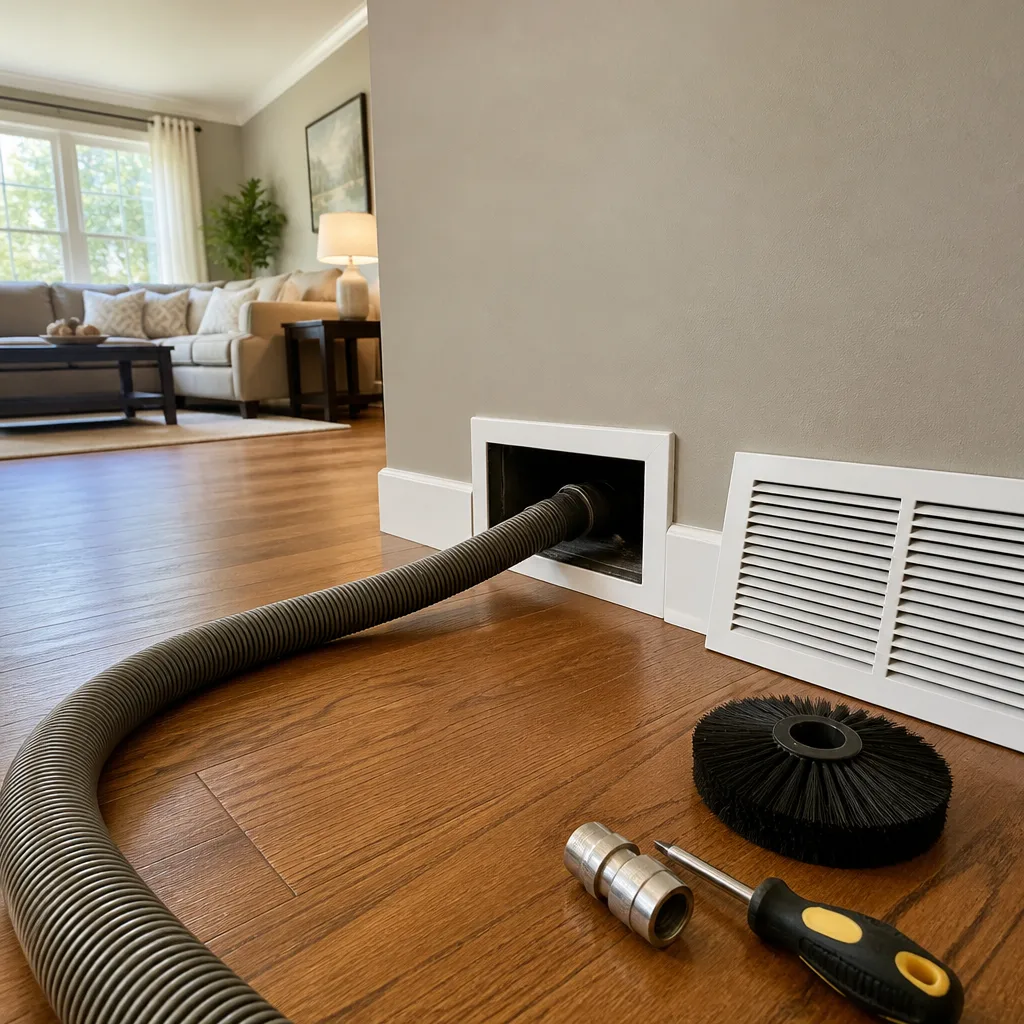 Whole-home duct cleaning
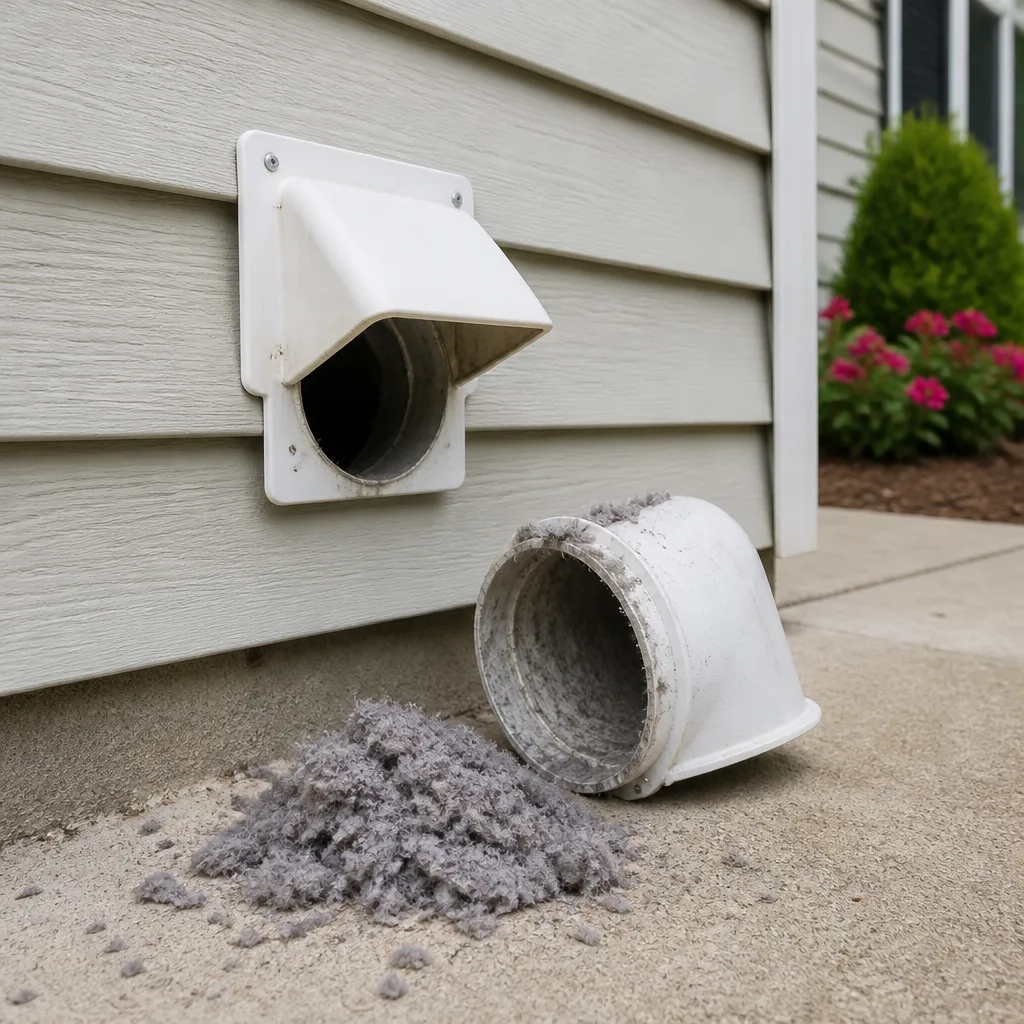 Dryer vent cleaning
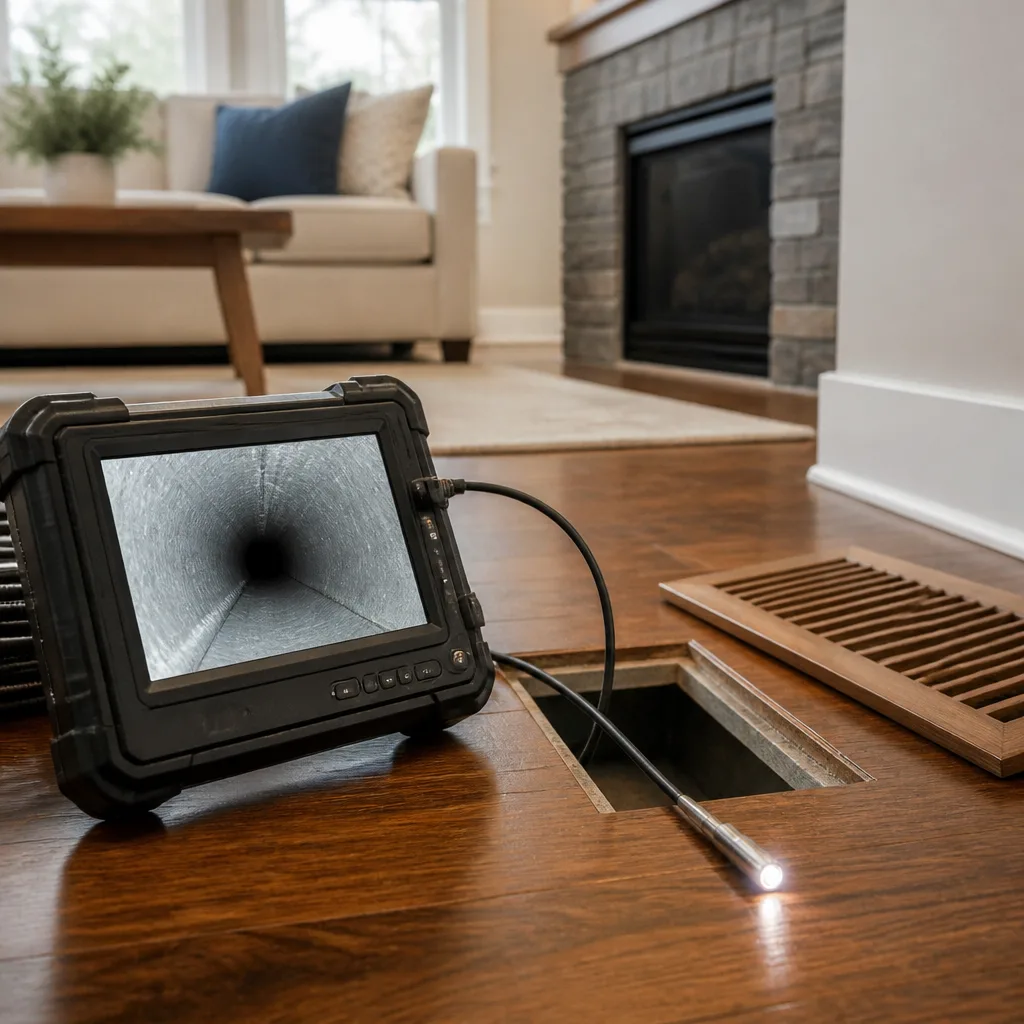 Camera inspection
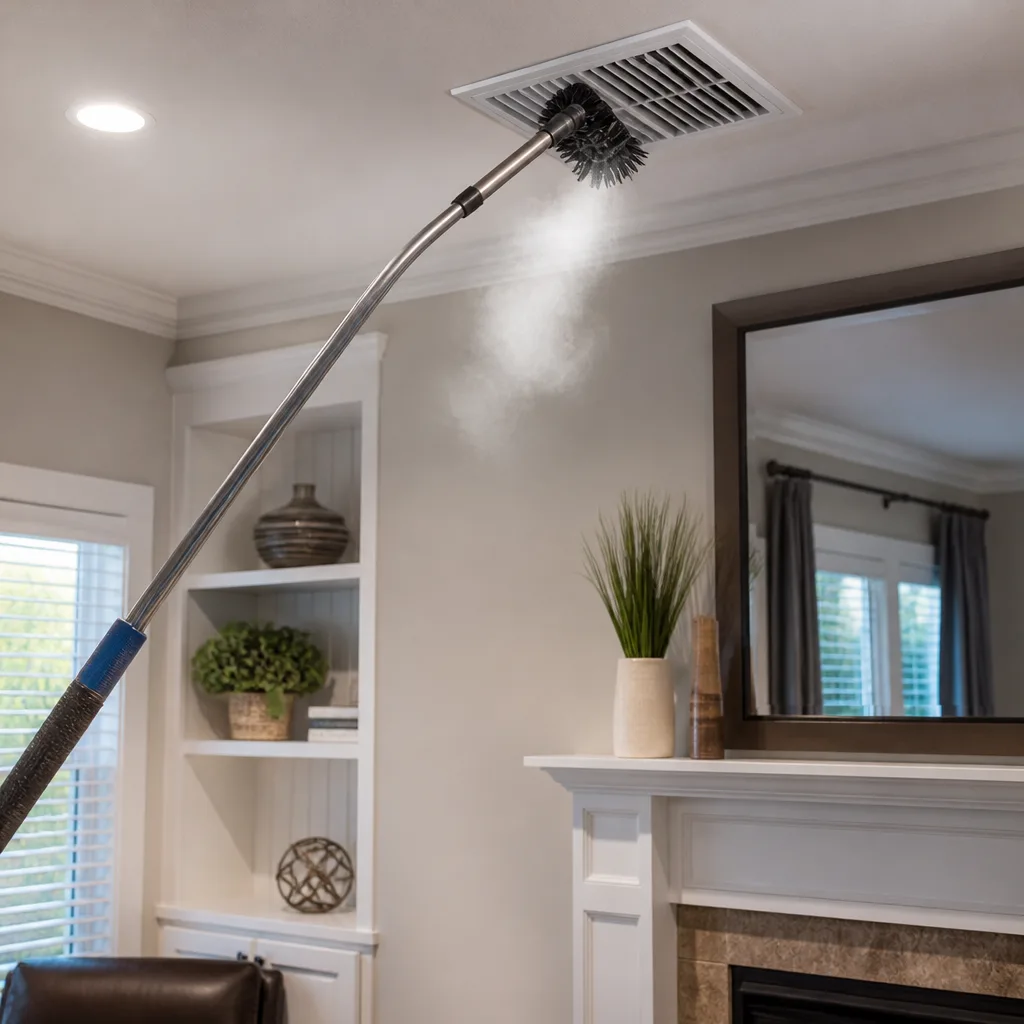 Sanitizing & deodorizing
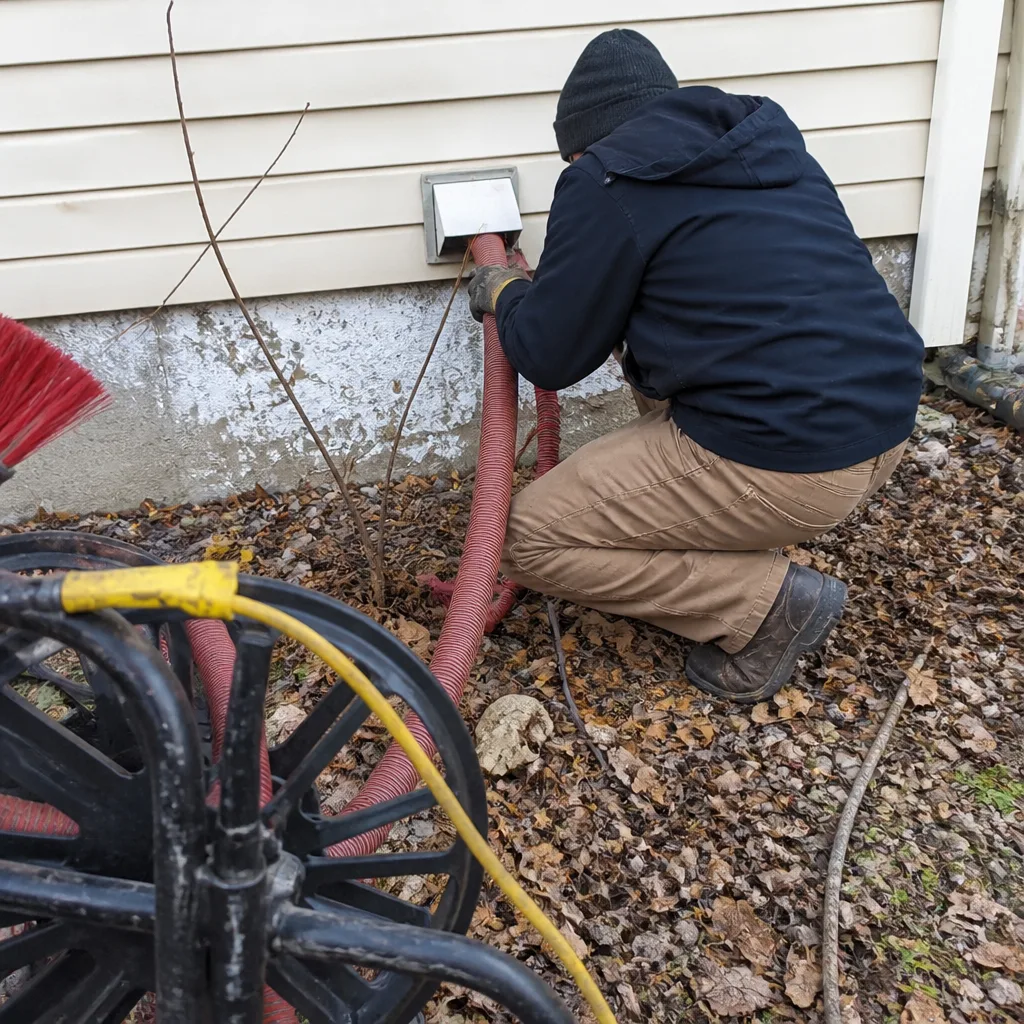
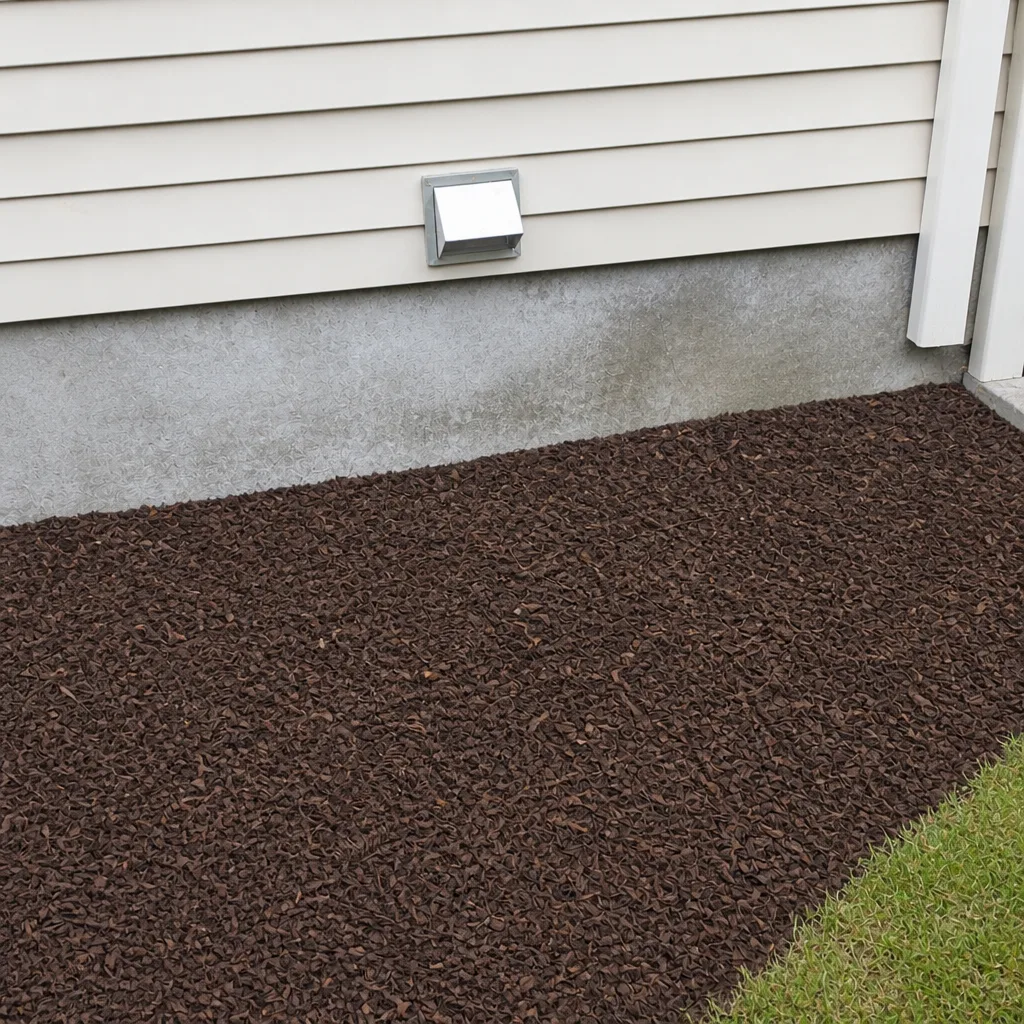
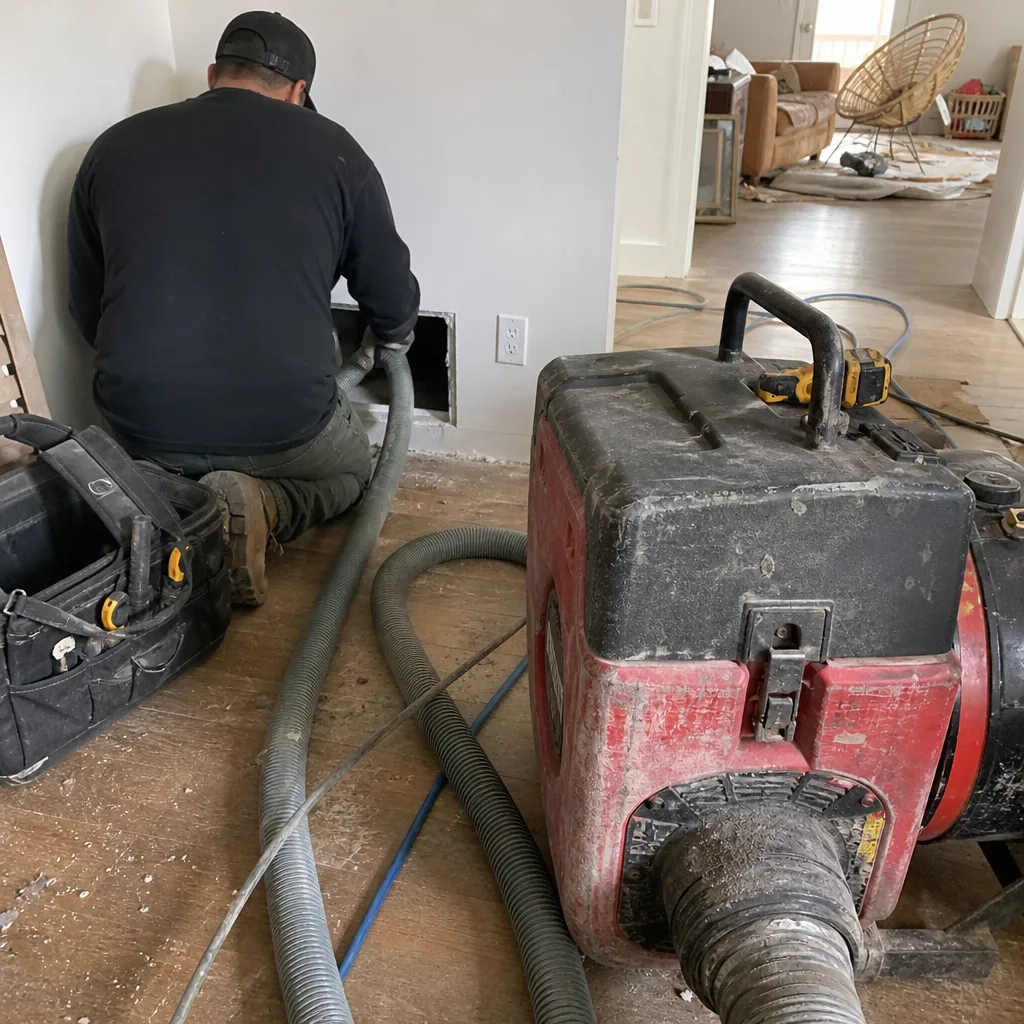
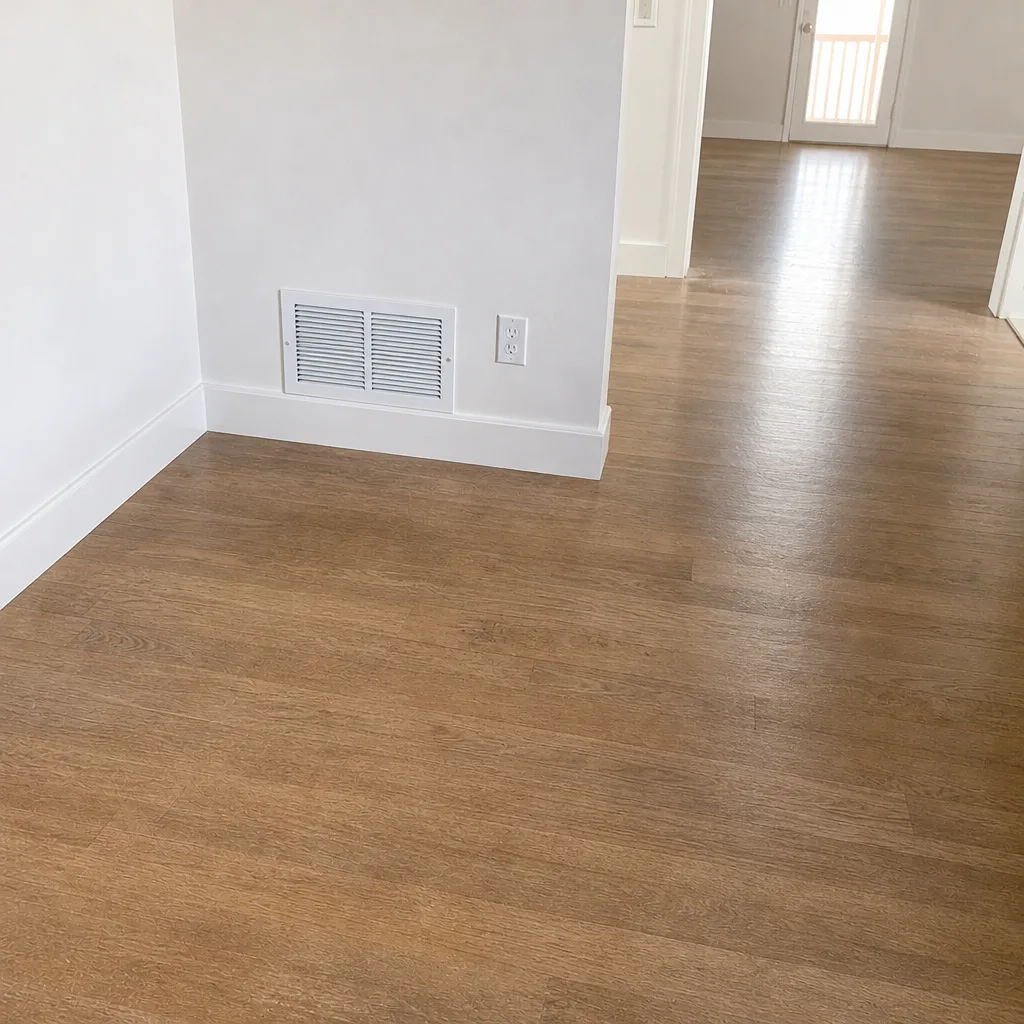
Whole-system duct and dryer vent check with before-and-after photos - you see exactly what came out of your vents
That "$99 whole-house special" is a bait ad - the real number appears once they are in your hallway, or the "clean" is a shop-vac at the register. We photograph the inside of your ducts before and after instead.
Air Duct Cleaning Permits, Codes & Inspections in Salt Lake City, UT: What You Need to Know
Here’s the part of duct work almost nobody explains before signing off: a standard clean usually needs no permit at all, but the moment ductwork is cut, replaced, or modified, you’re inside Utah’s mechanical code and Salt Lake City Building Services territory. Most homeowners never learn the difference until a home sale inspection flags an unpermitted change. That gap isn’t a technicality. It’s the difference between work that holds up on paper and work that quietly puts a cloud on your property. This guide explains where the permit line actually sits, which contractor classification covers cleaning versus mechanical work, and exactly what documentation to demand after any duct repair. We’ll walk through Salt Lake City code context, the Duct Repair & Sealing distinction, and the HOA layer that shows up in places like Daybreak.
Quick Answer
Routine air duct cleaning in Salt Lake City does not require a building permit, because it removes debris without altering the system. The moment a contractor repairs, replaces, or modifies ductwork, extends a new branch run, or changes a plenum, a mechanical permit from Salt Lake City Building Services is generally required, and the person doing the work should hold the right Utah contractor classification. Anyone offering only cleaning should still be able to tell you plainly which side of that line their job falls on.
Styles & brands we work with
- Whole-home duct cleaning
- Dryer vent cleaning
- Camera inspection
- Sanitizing & deodorizing
Table of Contents
- Cleaning Versus Mechanical Work: Where the Permit Line Sits
- Utah DOPL Contractor Classification: Who Can Legally Do What
- When Salt Lake City Building Services Requires a Mechanical Permit
- How the Utah Mechanical Code Governs Duct Materials
- What to Request in Writing After Any Duct Repair
- The HOA Layer in Daybreak and Newer Herriman Communities
- What an Inspection Actually Looks At
- Common Mistakes to Avoid
Cleaning Versus Mechanical Work: Where the Permit Line Sits
Salt Lake City duct cleaning is a maintenance service. Mechanical work is construction. The two share equipment, vocabulary, and often the same contractor listing, which is exactly why homeowners get confused. Knowing which category your job lands in tells you whether you should be asking about a permit at all.
A cleaning-only service moves no duct material and changes no system geometry. A technician inserts rotary-brush tooling, agitates debris loose, and extracts it with HEPA-rated vacuum equipment. Nothing structural changes. No permit is triggered, because there’s nothing new to inspect.
Mechanical work is different. Here’s what typically crosses the line:
- Replacing a failed section of duct board, flex, or sheet-metal trunk line.
- Cutting in a new branch run for a finished basement or added room.
- Modifying or rebuilding a plenum at the air handler.
- Relocating a register or resizing a return.
- Sealing a duct system with mastic or tape in a way that affects the system layout.
Some of that sealing is routine maintenance; resealing joints on existing ductwork often doesn’t trigger a permit on its own. But a full duct replacement, a new branch, or a plenum rebuild is construction, and Salt Lake City Building Services treats it that way. When a technician discovers the source of contamination is a torn flex run in a crawlspace, that’s the moment the conversation should shift from cleaning to permitting. Duct Repair & Sealing done properly fixes the structural cause; done without a permit, it can sit invisible in your records until a buyer’s inspector opens the access panel. The fair question to ask any company is simple: if you replace this section, does it require a permit, and will you pull it?
Utah DOPL Contractor Classification: Who Can Legally Do What
Utah’s Division of Occupational and Professional Licensing, universally known as DOPL, licenses contractors by classification. Cleaning services aren’t in the same bucket as mechanical construction, and that distinction matters more than most homeowners realize. A crew that’s excellent with a rotary brush may not hold the classification required to cut into ductwork at all.
DOPL’s contractor framework separates trades by scope. Mechanical contractors hold the classification that covers installation and alteration of heating, ventilation, and air-conditioning systems, including ductwork. A cleaning service, by contrast, can operate without holding a mechanical classification because it isn’t installing or altering anything.
The practical steps to verify anyone doing more than a clean:
- Ask for the DOPL license number in writing, before work is scheduled.
- Look the number up on DOPL’s public license search and confirm the classification covers mechanical work.
- Confirm active status and that the classification matches the job scope, not just that a license exists.
- Verify insurance is current; general liability and workers’ compensation coverage should be on file.
- Ask who will actually perform the work and whether that person is covered under the license.
One nuance trips people up. A company may be perfectly legitimate at cleaning and still have no business pulling a mechanical permit. If a technician tells you the duct repair is “included,” ask directly which licensed entity will hold the permit and do the work. In Salt Lake City, the answer to that question tells you more about the company than any brochure. Our technicians have up to 11 years of experience, and we’d rather you ask the question than discover the answer during a home inspection.
When Salt Lake City Building Services Requires a Mechanical Permit
Salt Lake City Building Services issues the mechanical permits for duct alterations within the city. If the work replaces, extends, or modifies ductwork, plan on a permit. Cleaning doesn’t trigger one. This is the single most useful distinction in this entire guide, so it’s worth restating plainly.
Here’s what typically requires a mechanical permit in Salt Lake City:
- Replacing a section of ductwork with new material.
- Adding a new branch run or new register.
- Modifying a plenum at the furnace or air handler.
- Changing duct size in a way that alters system design.
- Any work that affects combustion air or the venting of a gas appliance.
What generally doesn’t require one: agitation and extraction of debris from existing ducts, filter changes, and joint resealing that doesn’t change the system design.
Two ways the permit conversation usually goes. First, the contractor pulls the permit before work starts and posts it. Second, the contractor tells you a permit isn’t needed. The second is sometimes true and sometimes a shortcut. On any job that involves cutting, ask to see the permit or the permit application before demolition begins. If the company can’t produce one and can’t explain in plain terms why the job is exempt, that’s your answer.
For Salt Lake City homeowners and property managers, this is where the Salt Lake City Air Duct Cleaning Pros distinction holds up. Cleaning is one category. Repair is another. We routinely find that the most valuable part of a service visit isn’t the extraction itself but the honest assessment of whether the contamination is coming from dirty ducts or a failing duct system. Those two problems have different fixes, and only one of them needs a permit.
How the Utah Mechanical Code Governs Duct Materials
Utah’s mechanical code is based on the International Mechanical Code, and it sets standards for duct materials, sealing, support, and clearances. When a contractor replaces a section of duct, the new work has to meet current code, not the code in place when the house was built. This is why a replacement is a bigger deal than it looks.
What the code cares about in practice:
- Material compatibility. Replacement duct must match or exceed the rating of the material being removed and be appropriate for the location (crawlspace, attic, wall cavity).
- Sealing. Joints and seams must be sealed to limit leakage. The specifics depend on the duct location and pressure class.
- Support and clearance. Duct must be supported at intervals and kept at required clearances from combustibles, especially near the furnace.
- Flex versus sheet metal versus duct board. Each has permitted applications and limits. A shortcut substitution can pass visual inspection and still fail on clearance or sealing.
Here’s the part that catches people. Older Salt Lake City area homes often have duct board in the attic or flex in the crawlspace. When a technician replaces a failed run, the right answer isn’t always to match the original material; it’s to install what the code allows in that location for that application. That’s a judgment call, and it’s a reason duct replacement belongs with a licensed mechanical contractor even when the surrounding work is cleaning.
We see this often in the older neighborhoods and the newer builds alike. The duct system in a mid-century home rarely looks like the one in a recently finished basement, and the code path differs accordingly. If you’re choosing between cleaning and cleaning plus repair, the material question is your deciding factor. HVAC cleaning handles the coil and air handler; duct replacement handles the delivery. Mixing those up leaves you with a clean system that can’t hold its airflow.
What to Request in Writing After Any Duct Repair
Documentation is where most homeowners get exposed, and it’s the easiest thing to fix. If any duct repair or modification happens, ask for three things in writing: the permit number, the inspection sign-off, and as-built documentation. Without those, you’re relying on memory and a receipt.
Specifically, request:
- Permit number. Ask for it in writing on the invoice or as a separate document. If it wasn’t pulled, ask why in writing.
- Inspection record. Once work is complete, the permit inspection should be scheduled and passed; get a copy of the inspection result.
- As-built documentation. This is a simple sketch or description of what was installed, where, and with what material. It’s what a future inspector, HVAC contractor, or home buyer needs to understand the system.
- Before-and-after photos. Photos of the duct interior before the work and after are the fastest way to prove the work matched the invoice.
- Material specification. What material was installed, its rating, and why it was chosen for that location.
- Warranty terms. Any warranty on the repair or replacement, stated in writing.
The before-and-after photos are worth their weight specifically because duct work is hidden by design. Without images, you can’t confirm the technician actually replaced the failed run rather than sealing around it. That documentation is part of how we run a service, and we consider it a baseline, not a courtesy. Property managers especially should keep all six items on file per unit: those records are what make the next turnover go smoothly.
The HOA Layer in Daybreak and Newer Herriman Communities
Salt Lake City area HOA rules add a layer that city code doesn’t touch, and it appears most often in planned communities. Daybreak in South Jordan and newer Herriman developments typically include architectural review requirements in their governing documents. HVAC work that changes exterior equipment, venting, or the appearance of the home from the street can require separate HOA approval even when the mechanical permit is filed correctly.
Where HOA review usually applies:
- Changes to exterior condenser placement or screening.
- New venting terminations visible from the street or neighboring lots.
- Rooftop or side-yard equipment changes in newer construction.
- Duct modifications that affect the exterior envelope, such as added runs to a garage.
Where it usually doesn’t: interior duct cleaning, duct repair that stays inside the walls, and routine sealing.
The practical sequence matters. City permit first, then HOA architectural review if the work touches exterior appearance, then work begins. In our experience, homeowners in Daybreak and newer Herriman builds are often surprised that the HOA review can take longer than the mechanical permit. Both are legitimate, and skipping either creates the same problem: an unpermitted or unapproved change that surfaces at sale. Salt Lake City Building Services doesn’t enforce HOA rules, and the HOA doesn’t enforce code. You’re responsible for both, and the fastest way through is to know which applies before the first technician opens a panel.
What an Inspection Actually Looks At
A mechanical inspection on duct work is not a cleanliness check. It’s a conformance check. The inspector is verifying that the installed system matches the permit and meets the code requirements for material, sealing, support, and clearance.
What they typically verify:
- The installed duct material matches the permit and the approved plan.
- Joints and seams are sealed per code.
- Support intervals and clearances from combustibles are correct.
- Connections at the air handler and plenum are sound.
- Any gas appliance venting affected by the work is still safe and functional.
- The system is operational and airflow is not obviously compromised.
What they don’t check: interior cleanliness of existing duct, filter condition, or the quality of initial agitation and extraction. That’s why a clean and an inspection are separate conversations. If your goal is indoor air quality, the inspection isn’t your proof; before-and-after photos and a written scope are.
For a clean, we handle the work under our own process with Rotobrush rotary-brush extraction and Nikro HEPA-rated vacuum equipment. For repair that requires a permit, the licensed mechanical contractor of record pulls and holds it, and we’ll be direct with you about which entity that is. Nobody should be guessing about that two years down the road during a home inspection. If you’re working through a real estate transaction, call (866) 937-7589 and we’ll walk the documentation question through with you before anything gets scheduled.
Common Mistakes to Avoid
- Assuming “cleaning” covers duct repair. A coupon-style cleaning ad rarely includes a licensed mechanical contractor. Read the scope carefully and ask who holds the permit if repair is recommended.
- Accepting a verbal “no permit needed” answer. Ask why. If the answer is “it’s just cleaning,” that’s fine for cleaning. If the work involves cutting or replacing, the answer should be a permit number or a clear written exemption reason.
- Skipping the DOPL license check. A business license or a website address isn’t a mechanical classification. Verify on DOPL’s public license search before scheduling anything beyond cleaning.
- Not requesting as-built documentation. In Salt Lake City, the fastest way to turn a minor repair into a home-sale headache is having no record of what was installed, where, or under which permit.
- Forgetting the HOA in Daybreak or Herriman. Newer planned communities layer architectural review on top of city permitting. Check your governing documents before exterior-visible HVAC work begins.
- Treating a clean as a substitute for repair. If the contamination source is a torn duct or a disconnected run, cleaning will keep re-dirtying the system. Fix the leak, then clean.
- Hiring on price alone. The low quote often comes from a company without mechanical licensing and without the equipment to extract properly. That’s not a saving; it’s deferred exposure.
See the difference
 Before
 After
 Before
 After
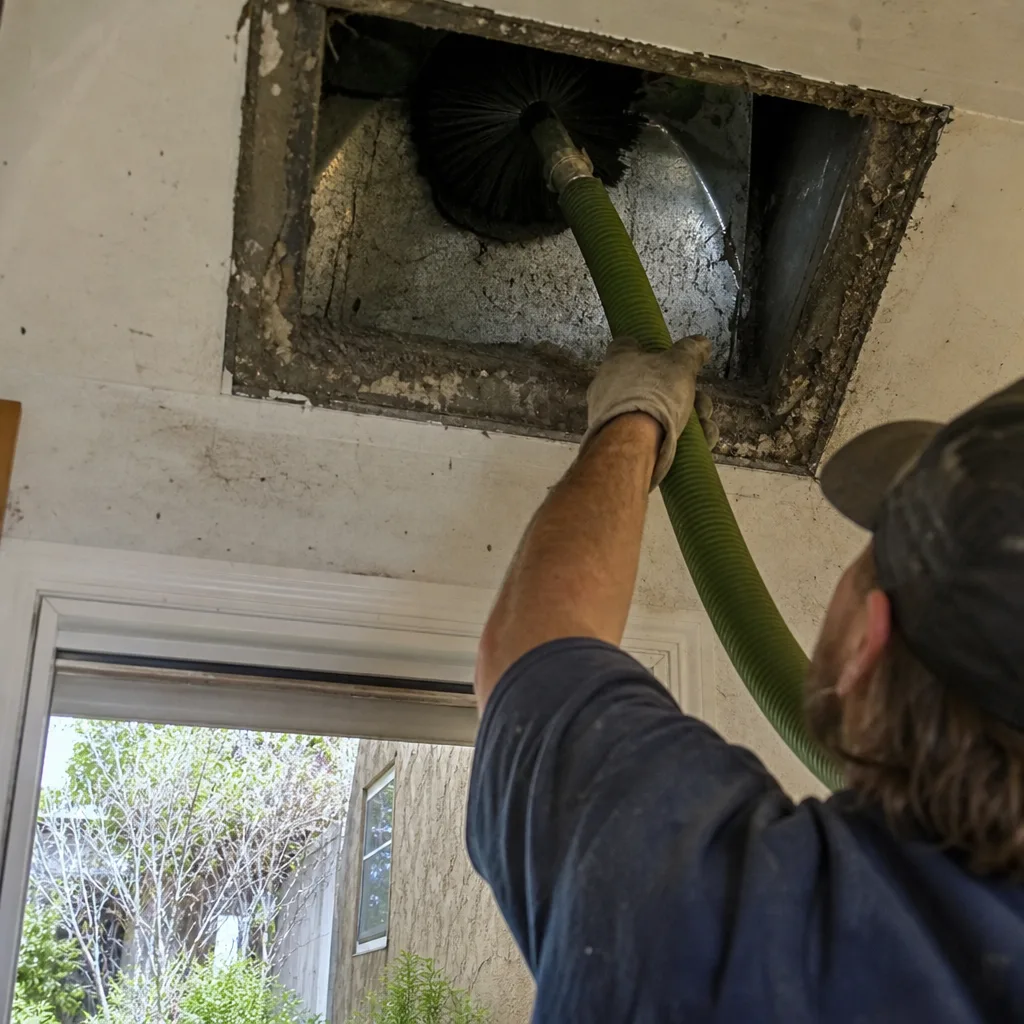 Before
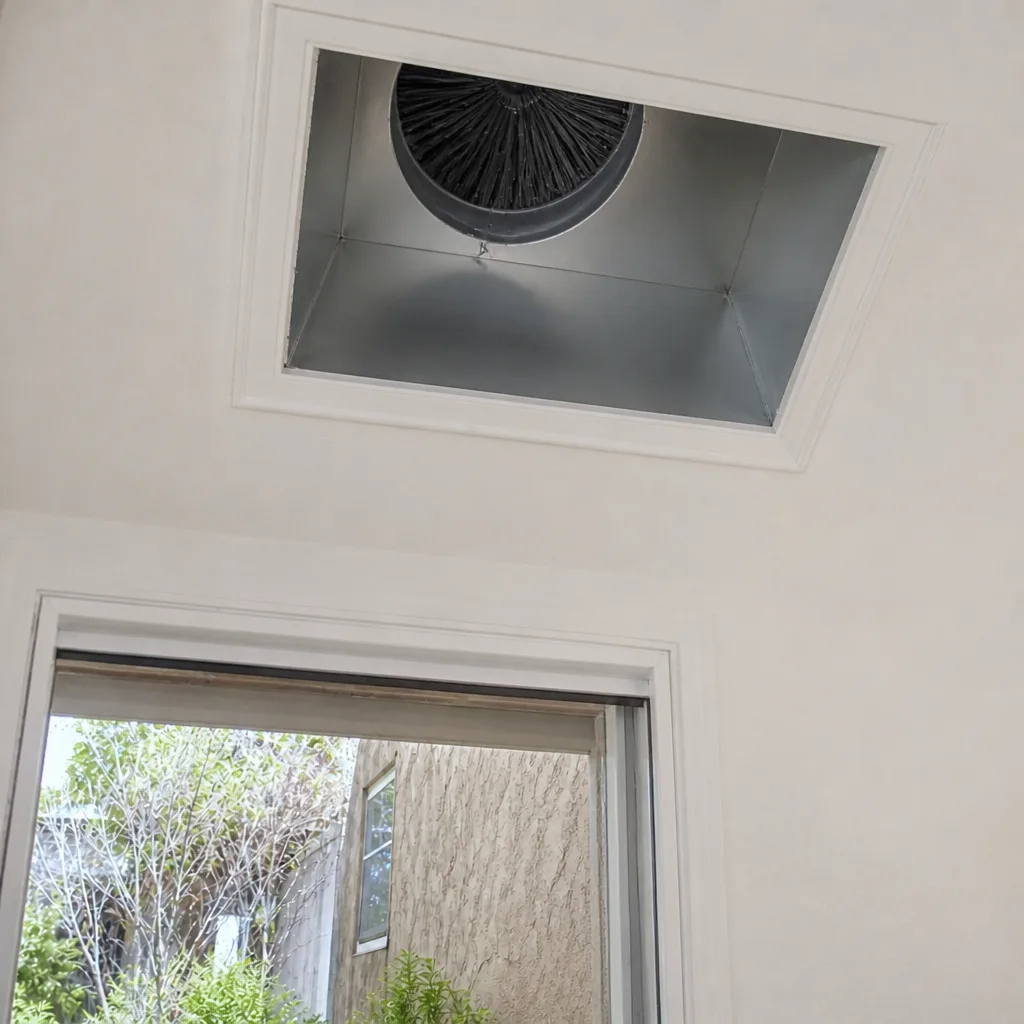 After
When to Call a Professional
Some jobs are clearly cleaning; some are clearly construction. Here’s when a call makes sense in Salt Lake City.
Call a professional if you’ve noticed visible dust puffing from registers after a renovation, if someone in the home has persistent allergy symptoms that track with HVAC cycling, if a prior pest or moisture problem left residue in the system, or if you’ve moved into a home with no service records and unknown duct condition. Call if you’re preparing to sell and need to know whether any past duct work was permitted. Call if your technician recommends duct replacement, because that conversation should include a licensed mechanical contractor and a permit plan. And call if you have a dryer vent that hasn’t been looked at; dryer vent cleaning is a fire-safety service, not a courtesy add-on.
Salt Lake City Air Duct Cleaning Pros offers free estimates in Salt Lake City. Call (866) 937-7589. We answer 24/7. Fast dispatch from 7am to 7pm, Sunday through Friday.
Frequently Asked Questions
No. Routine air duct cleaning in Salt Lake City does not require a building permit, because the work removes debris without altering the duct system, plenum, or registers. A mechanical permit from Salt Lake City Building Services applies to actual repair, replacement, or modification of ductwork, not to agitation and extraction. If a technician tells you a duct replacement is “just part of the cleaning,” ask for the permit number in writing. Call (866) 937-7589 for an exact quote, and if the job crosses into repair, we’ll walk you through the permit path. Estimates are free.
A cleaning company removes debris from existing ducts. A licensed mechanical contractor in Utah holds a DOPL classification that covers installation and alteration of duct systems. Both can be legitimate; they’re different scopes. If your job involves replacing a duct section, adding a branch, or modifying a plenum, you need the mechanical classification and a permit. If your job is cleaning, extraction, and sanitizing, a properly equipped cleaning service is the right call. In our experience, the honest conversation about which category a job falls into is the one worth having before anything gets scheduled. Call (866) 937-7589 for an exact quote.
Ask for the license number in writing, then look it up on Utah DOPL’s public license search. Confirm three things: the license is active, the classification covers mechanical work, and the entity performing the work matches the license holder. A website, a business license, or a “licensed and insured” badge on a van is not a substitute for the DOPL lookup. For any work beyond a clean, that verification belongs before the first appointment, not after. Call (866) 937-7589 for an exact quote and we’ll help you understand what documentation applies to your situation. Estimates are free.
Keep six items: the permit number, the inspection sign-off, as-built documentation, before-and-after photos, the material specification, and any warranty terms in writing. Those six documents are what a future home buyer’s inspector, an HVAC contractor, or a property manager will ask for. Missing as-built documentation is the most common gap we see in Salt Lake City homes where duct work was done under a prior owner. Call (866) 937-7589 for an exact quote and we’ll be clear about what documentation we can provide for your job. Estimates are free.
Often yes, for exterior-visible changes. Planned communities like Daybreak in South Jordan and newer Herriman developments typically have architectural review requirements that apply to exterior equipment placement, venting terminations, and screening visible from the street. Interior duct cleaning and repair typically don’t require HOA review, but the governing documents are the final word. City permit and HOA architectural review are separate processes, and doing the city permit without the HOA review is a common oversight. Call (866) 937-7589 for an exact quote and we’ll help you sort out which approvals apply. Estimates are free.
Air duct cleaning in Salt Lake City is typically priced per system, not per vent, and a written estimate before work begins is the standard to expect. Whole-system jobs usually land in a mid-range band, with duct repair or sealing quoted separately after the technician has actually looked at the layout. We don’t publish coupon prices because per-vent teasers are how the bait-and-switch reputation started. The written estimate sets the final price, and we provide before-and-after photos of your own ducts so you can see the work. Call (866) 937-7589 for an exact quote. Estimates are free.
Cheaper quotes usually come from one or more of four shortcuts: per-vent teaser pricing that expands once the technician is on site, consumer-grade vacuum equipment that stirs debris instead of capturing it, a scope that doesn’t include the air handler or plenum, or a company without the mechanical classification to actually fix what they find. None of those saves you money; they push cost into the future. The standard to hold any Salt Lake City company to is one flat price per system agreed before work starts, no per-vent pricing, and before-and-after photos. Call (866) 937-7589 for an exact quote. Estimates are free.
There’s no universal interval, and anyone who tells you “every year, guaranteed” is selling you a schedule rather than a service. Practical triggers matter more: after a renovation, after a pest or moisture problem, after a move into a home with unknown service history, or when allergy symptoms track with HVAC cycling. A well-sealed, well-maintained system in a Salt Lake City home can go several years between cleanings; a system with torn flex or a disconnected run needs repair before cleaning helps at all. Call (866) 937-7589 for an exact quote and an honest look at which category your system is in. Estimates are free.
The Bottom Line
The permit question in Salt Lake City is not complicated once you draw the line in the right place. Cleaning doesn’t need a permit. Repair, replacement, plenum modification, or a new branch run does, and that work should be done by a DOPL-licensed mechanical contractor with a permit posted before the job starts. Verify the license on DOPL’s public search, ask for the permit number and inspection sign-off in writing, and keep as-built documentation alongside before-and-after photos. Daybreak and newer Herriman communities may add HOA architectural review on top of city permitting, and both layers are legitimate. A full-scope approach means cleaning, repair, sealing, and sanitizing are assessed together, because a clean system with a torn duct is just a repeat visit waiting to happen. Our technicians have up to 11 years of experience, we work under the written estimate, and we’ll tell you plainly when a job is cleaning and when it’s construction.
Call (866) 937-7589 for your free estimate in Salt Lake City. We answer 24/7. Fast dispatch from 7am to 7pm, Sunday through Friday. If you want the broader picture of what a full visit covers, start with air duct cleaning, or call and we’ll walk through your system together.
Written by the team at Salt Lake City Air Duct Cleaning Pros.