
Last updated November 24, 2026
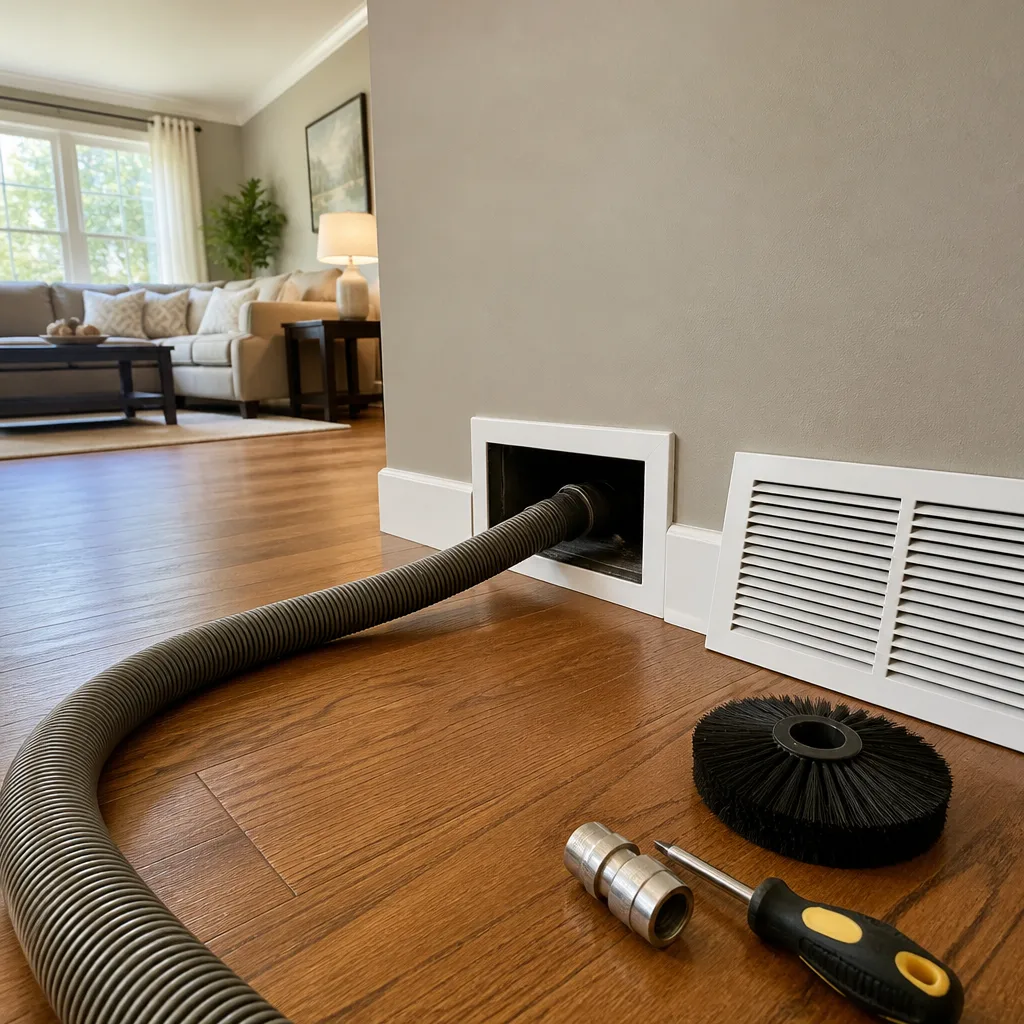 Whole-home duct cleaning
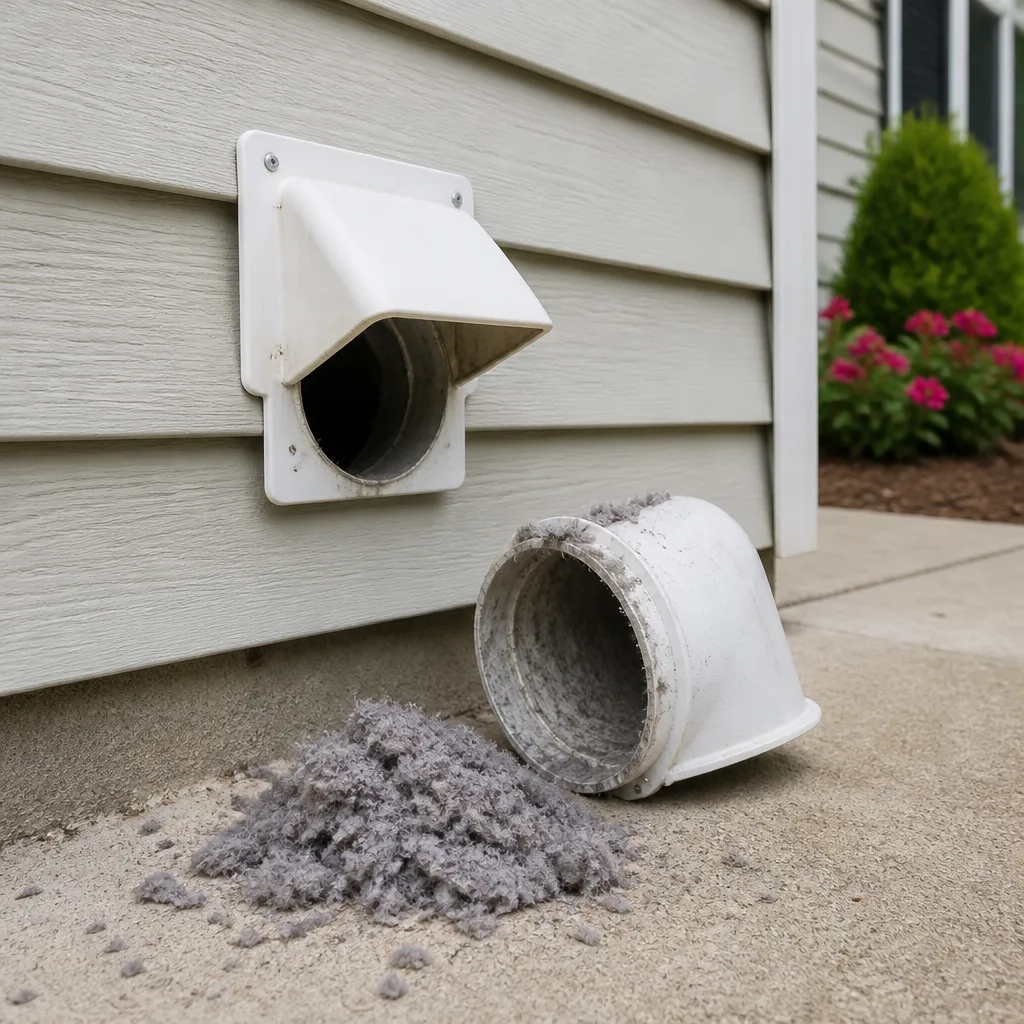 Dryer vent cleaning
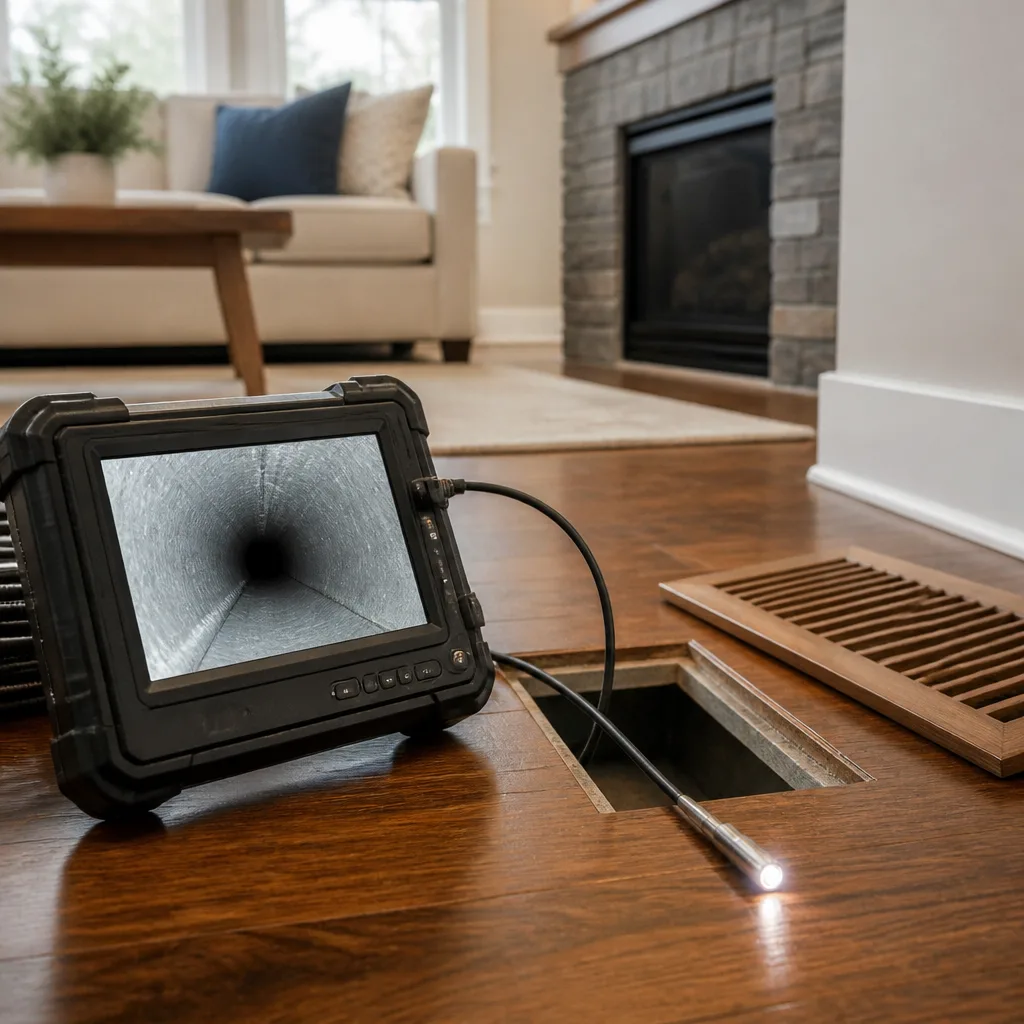 Camera inspection
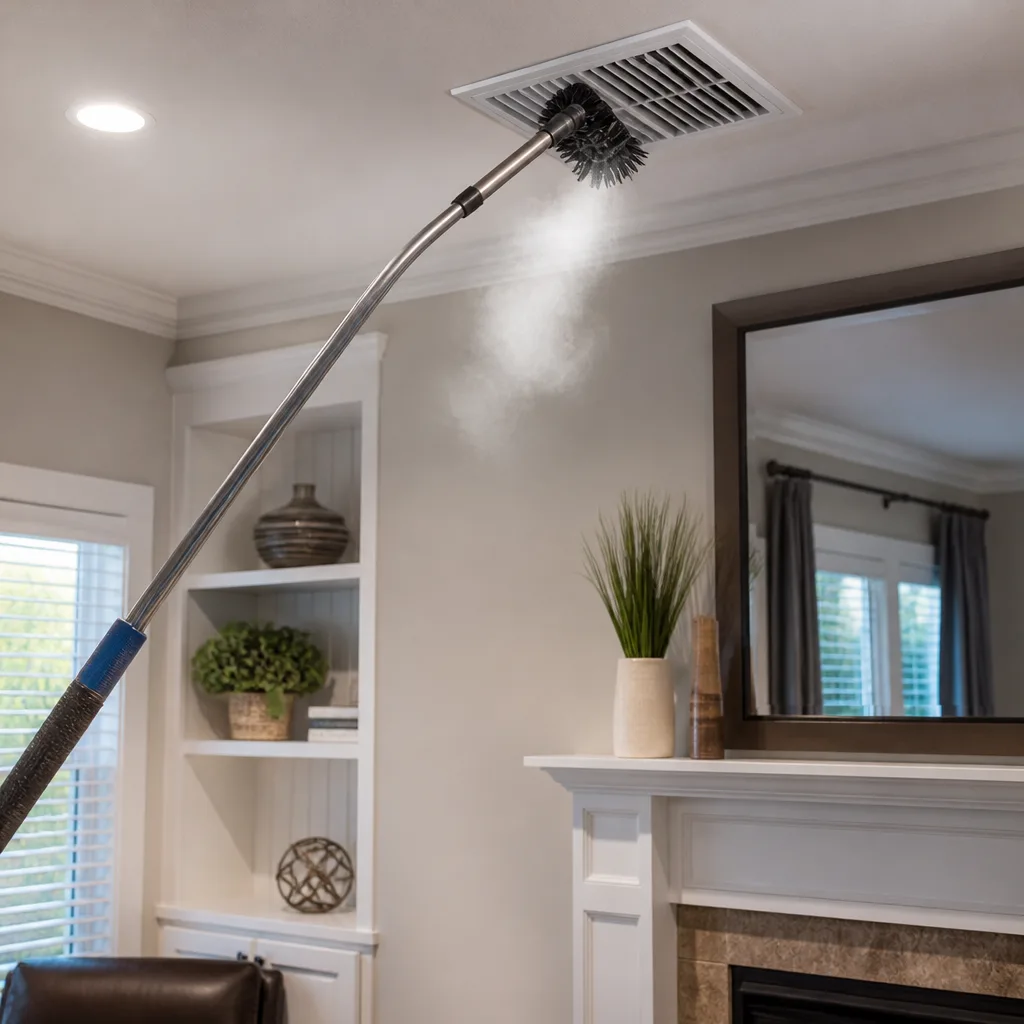 Sanitizing & deodorizing
Whole-system duct and dryer vent check with before-and-after photos - you see exactly what came out of your vents
That "$99 whole-house special" is a bait ad - the real number appears once they are in your hallway, or the "clean" is a shop-vac at the register. We photograph the inside of your ducts before and after instead.
Air Duct Cleaning Warning Signs: A Salt Lake City Homeowner’s Reference Guide
Most homeowners call a duct professional when something dramatic happens: mold visible around a register, allergy symptoms that won’t quit, or a furnace that finally gives out. By then, the problem has been building for months. The real warning signs show up far earlier, and they’re subtle. A system that smells fine, looks clean at the register, and runs quietly can still be moving contaminated air through the 80% of your ductwork that sits behind drywall where no one ever looks. This guide decodes those early signals the way a technician reads them on a service call in Salt Lake City, so you can catch a problem while it’s still cheap to fix.
Quick Answer
The most reliable early warning signs of a duct problem are longer HVAC runtimes without better comfort, changing dust patterns at the registers, unexplained odors, and a jump in indoor particle counts during Salt Lake City’s winter inversion season. None of these require visible mold or a system failure to be worth investigating. If two or more show up at once, it’s worth having the system inspected.
Styles & brands we work with
- Whole-home duct cleaning
- Dryer vent cleaning
- Camera inspection
- Sanitizing & deodorizing
Table of Contents
- The Runtime-to-Comfort Mismatch
- Reading Your Register Dust Patterns
- Inversion Season and Indoor Particle Spikes
- Odor Diagnostics: What Musty, Burning, and Chemical Smells Tell You
- The Post-Renovation Warning Window
- Dryer Vent Signals You Should Never Ignore
- Moisture, Condensation, and Coil Condition
- Common Mistakes to Avoid
The Runtime-to-Comfort Mismatch
Here’s the signal most homeowners misread. Your HVAC runs noticeably longer than it used to reach the temperature you set, but the house never quite feels comfortable. The instinct is to blame an aging system or a failing compressor. In our experience, restricted airflow from debris buildup inside the ducts and across the evaporator coil is just as likely a cause, and it’s far cheaper to rule out.
When a duct run fills with dust, lint, and debris, the blower has to work harder to push the same volume of air. Static pressure rises, airflow drops, and the system compensates by running longer. On a diagnostic visit, this shows up as a measurable gap between what the equipment is rated to move and what’s actually arriving at the registers.
The signals worth tracking:
- The system runs longer but rooms on far runs (upstairs bedrooms, additions) stay stuffy or uneven.
- Certain registers feel weak compared to others, especially the ones at the end of the longest duct runs.
- The blower sounds louder or changes pitch compared to previous seasons.
- Energy use creeps up without a change in how you heat or cool.
- The filter loads faster than usual, sometimes within weeks of a fresh change.
Salt Lake City homes built during the mid-century subdivisions along the east bench often have long, flexible duct runs that collect debris at the elbows and transitions, which is exactly where airflow restriction starts. A static pressure reading and a look inside the trunk line will tell you quickly whether the ducts are the cause or whether the equipment itself needs attention.
If a technician confirms buildup is the cause, air duct cleaning with proper extraction equipment is the fix, and it should be paired with a look at the coil and blower wheel at the same time. Cleaning the ducts without addressing a fouled coil just moves the problem downstream.
Reading Your Register Dust Patterns
Dust at the register is never random. The color, texture, and distribution of what collects around the supply and return grilles point to specific sources, and a technician reads them like a fingerprint. Learning to distinguish three patterns will tell you more about your system than any visual inspection of the visible duct.
Uniform Gray Dust
Even, light gray dust that builds up slowly around all the registers is usually normal household particulate: skin cells, fabric fibers, and outdoor dust pulled in through the return. If it builds fast enough that you’re wiping grilles every few weeks, though, the system is likely recirculating debris that should have been captured by the filter or extracted from the duct walls.
Black Streaking at the Grille Edges
Dark streaks or a sooty shadow around the edges of a register often indicate air bypassing the filter or a filter that’s too restrictive and collapsing. In Salt Lake City, where winter inversions push fine particulate into the outdoor air, a poorly sealed filter slot lets that material draw straight into the return. Sealing the filter housing is part of the fix; the ducts need attention too.
Oily or Sticky Film
A tacky, brownish film on or around the registers points to cooking vapors or, in some homes, an HVAC system that’s pulling air from a kitchen or garage. Oily film traps dust and holds it against duct surfaces, which makes ordinary cleaning less effective. This is a pattern where duct repair and sealing matters as much as extraction.
Inversion Season and Indoor Particle Spikes
Salt Lake City’s winter inversions are a known local challenge: cold air traps pollution in the valley, and fine particulate levels climb for days at a time. What most homeowners don’t realize is that indoor particle counts often track the outdoor numbers, because the air handler pulls outdoor air into the return through leaks, gaps at the filter slot, and gaps where duct sections meet.
That makes a consumer indoor air quality monitor a genuinely useful early warning tool. You don’t need a lab-grade instrument. A basic monitor that reports PM2.5 will show you what’s happening inside your home during an inversion, and a pattern of indoor counts that jump sharply whenever outdoor air quality drops is a sign your ducts and return system are leaking.
Here’s how a technician uses this data:
- Baseline. Monitor indoor particle counts on a clear day, with the HVAC system running normally.
- Compare. Watch the same readings during a multi-day inversion. A sharp indoor rise that mirrors outdoor pollution suggests the system is importing outside air.
- Trace. Check the return, filter housing, and duct joints for gaps. Sealing those gaps is part of the solution.
- Extract. If the ducts have accumulated material, mechanical cleaning removes the reservoir that keeps releasing particles back into the airstream.
- Filter. A properly sized filter in a sealed housing holds the improvement in place.
This is where Honeywell and Aprilaire whole-home IAQ solutions earn their place. The right filtration or air-cleaning component, matched to the system and installed correctly, does more during inversion season than any portable unit. If you want to know what’s actually possible for your setup, professional HVAC cleaning gives you an honest starting point.
Odor Diagnostics: What Musty, Burning, and Chemical Smells Tell You
Odor is the most underrated diagnostic signal in a duct system. Utah’s climate is dry for much of the year, but that doesn’t rule out the conditions that cause smells, and each type of smell points to a different likely cause.
Musty Smells
A musty, earthy smell in the airstream usually means moisture is present somewhere it shouldn’t be: a condensate pan that isn’t draining, a coil that’s stayed wet, or insulated duct lining that’s absorbed humidity. In a dry climate, this is often the result of an AC system running hard in summer and then sitting with residual moisture on the coil. The smell travels through the ducts on the next heating or cooling cycle.
Burning or Hot Dust Smells
A brief dusty smell on the first heat of the season is often normal. A persistent burning or hot-dust smell is not. It can point to debris accumulation on the heat exchanger, dust burning off the coil, or a motor under strain. If the smell persists past the first few cycles, stop running the system and have it checked. This is not a situation to troubleshoot over the phone.
Chemical or Plastic Smells
A sharp, plasticky, or solvent-like smell can come from a nearby renovation off-gassing into the return, an electrical component overheating, or a duct material breaking down. It’s worth ruling out quickly, because the causes range from benign to serious.
If a musty smell or chemical odor traces back to the ducts or coil, professional cleaning combined with a sanitizing step addresses the source rather than masking it. We’ve cleaned systems across Salt Lake City where the underlying problem was a fouled coil feeding the smell into every room through the supply trunk.
The Post-Renovation Warning Window
Drywall dust is finer than most people expect. It floats for days, settles into every horizontal surface, and still finds its way through taped-off registers. The result is a high-risk window for duct contamination that runs roughly 90 days after a remodeling project, even when the registers were covered during the work.
The reason is simple: drywall dust doesn’t stay in the air. It drifts, settles on duct walls, and then gets pulled back into the airstream the next time the system runs. It’s also mildly alkaline, so it can hold against duct surfaces differently than ordinary household dust. That’s part of why a general vacuum job at the register level does almost nothing for it.
A post-renovation system check should include:
- Pulling a sample register and checking for fine white powder on the duct walls.
- Inspecting the return trunk, where fine dust concentrates first.
- Checking the filter slot and blower compartment for dust that bypassed the filter.
- Looking at the coil face, since drywall dust sticks to a damp coil and hardens.
This is one job where professional-grade equipment makes a real difference. Rotobrush rotary-brush extraction systems are built to contact-scrub duct walls rather than just blow air through them, and Nikro HEPA-rated vacuums hold what’s dislodged without letting it recirculate into the home. That matters more after a renovation than at almost any other time, because drywall dust is the hardest material to pull out with consumer equipment.
Dryer Vent Signals You Should Never Ignore
Dryer vents are a separate system from your air ducts, but they’re the one duct problem that’s a genuine fire hazard rather than a comfort and air-quality issue. Lint builds up in the vent run, restricts airflow, and holds heat. Most dryer vent fires start in the lint that collected well behind the dryer, out of sight.
Signals worth acting on:
- Clothes take more than one cycle to dry.
- The dryer exterior gets noticeably hot to the touch.
- The lint trap fills faster than usual, or lint collects around the door seal.
- You can’t feel meaningful airflow at the exterior vent cover when the dryer runs.
- You haven’t had the vent line cleaned in more than a year, especially with a long or flexible run.
Dryer vent cleaning is part of the standard service lineup for that reason. If you’re already having the main ducts cleaned, having the dryer vent checked at the same time is the practical move, and it’s a service many duct-only companies simply skip. If a vent run is longer than code-style installation normally allows, or if it’s corrugated flexible duct, that’s often the reason lint collects so fast. For homeowners in Salt Lake City who have a dryer in a basement or an interior laundry room, the run length is worth a look specifically.
Moisture, Condensation, and Coil Condition
Moisture doesn’t need to be visible to be a problem. Condensation inside the duct system is one of the earliest signs of a coil or insulation issue, and it shows up in patterns a homeowner can track before anything grows or gets worse.
What to look for:
- Condensation at the registers. Water beading on a supply register in summer often points to an under-insulated duct run or a coil producing too much condensate.
- Water stains near the air handler. These usually mean a clogged condensate drain or a pan that isn’t draining properly.
- A cool, damp feeling at the return. A return that feels unusually humid suggests the system is pulling in moist air from a crawlspace or a leaking duct joint.
- Rusting at duct seams or screws. Rust shows a section has stayed damp long enough to corrode, which is a moisture signal that needs to be traced to its source.
When moisture is the cause, cleaning alone doesn’t solve it. The source has to be fixed, which is where duct repair and sealing earns its place: sealing gaps and joints stops the outside air and moisture from entering, and fixing failed sections removes the reservoir where condensation collects. Once the source is addressed, sanitizing the affected run makes sense as a final step. We clear it, seal it, and sanitize it, and the order matters.
If a musty smell, damp readings, or visible water staining has been present for a few weeks, this is the point to stop guessing and book a professional inspection. Left alone, moisture turns into a problem you can’t fix with cleaning alone.
Common Mistakes to Avoid
- Waiting for visible mold before calling. By the time mold is visible at a register, the contamination has been present for a while. Moisture and odor signals show up months earlier.
- Buying a coupon-price duct blow-out. A low advertised price that turns into a large invoice once the technician is on site is the industry’s biggest bait-and-switch problem. Ask for one flat price per system agreed in writing before any work starts.
- Ignoring the dryer vent because the dryer still works. A dryer that dries slowly is still working, but the lint buildup is a fire risk. The vent line deserves the same attention as the main ducts.
- Cleaning without inspecting the coil. A fouled evaporator coil keeps releasing material into the airstream even after the ducts are clean. Any technician who cleans ducts without checking the coil isn’t doing the full job.
- Skipping register-level evidence after a renovation. Drywall dust is hard to see but easy to find if you pull a register and look inside. Skipping that step leaves contamination in place.
- Assuming a dirty filter means the ducts are fine. A filter loading fast is a sign the system is moving more particulate than the filter can capture, which often means the ducts are contributing.
- Believing “it smells fine” means it’s clean. A duct system can look clean and smell neutral while still carrying particles. The most accurate read comes from pulling a register and inspecting the duct walls.
See the difference
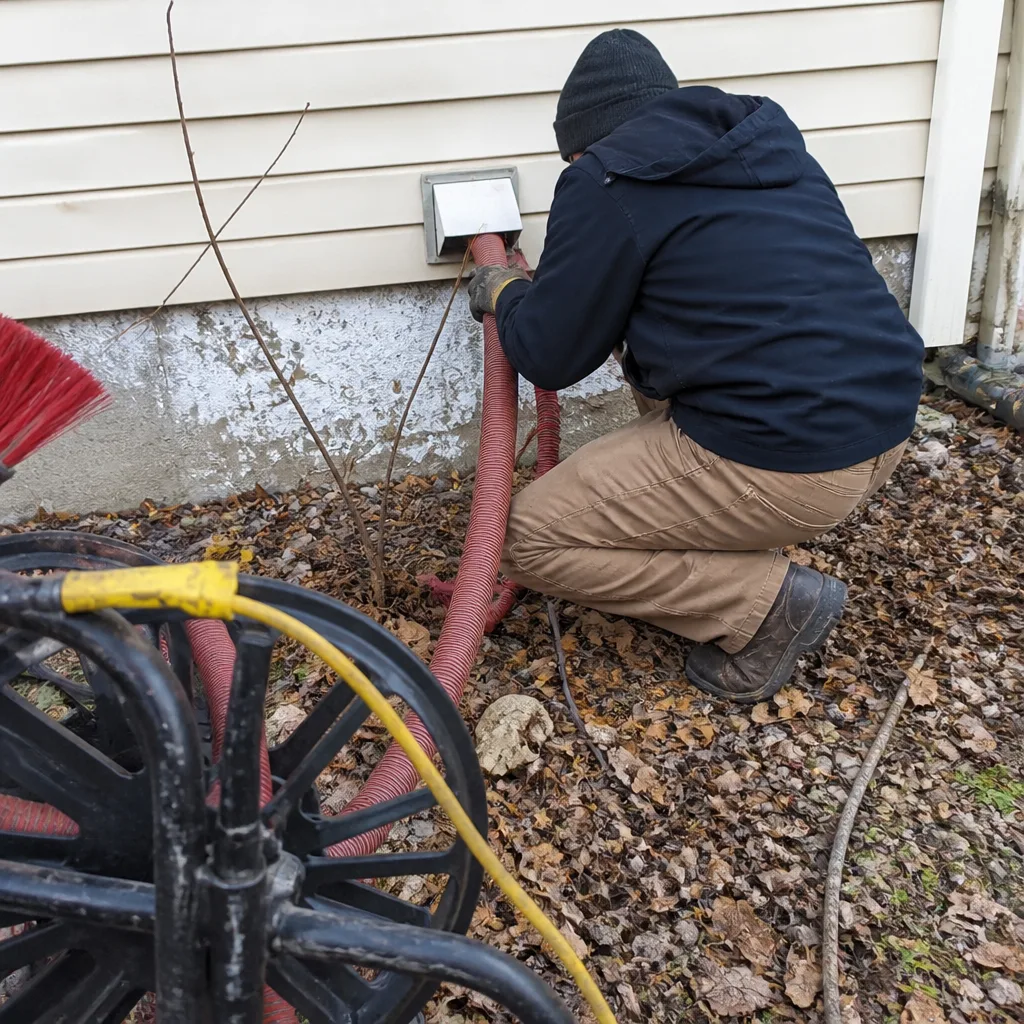 Before
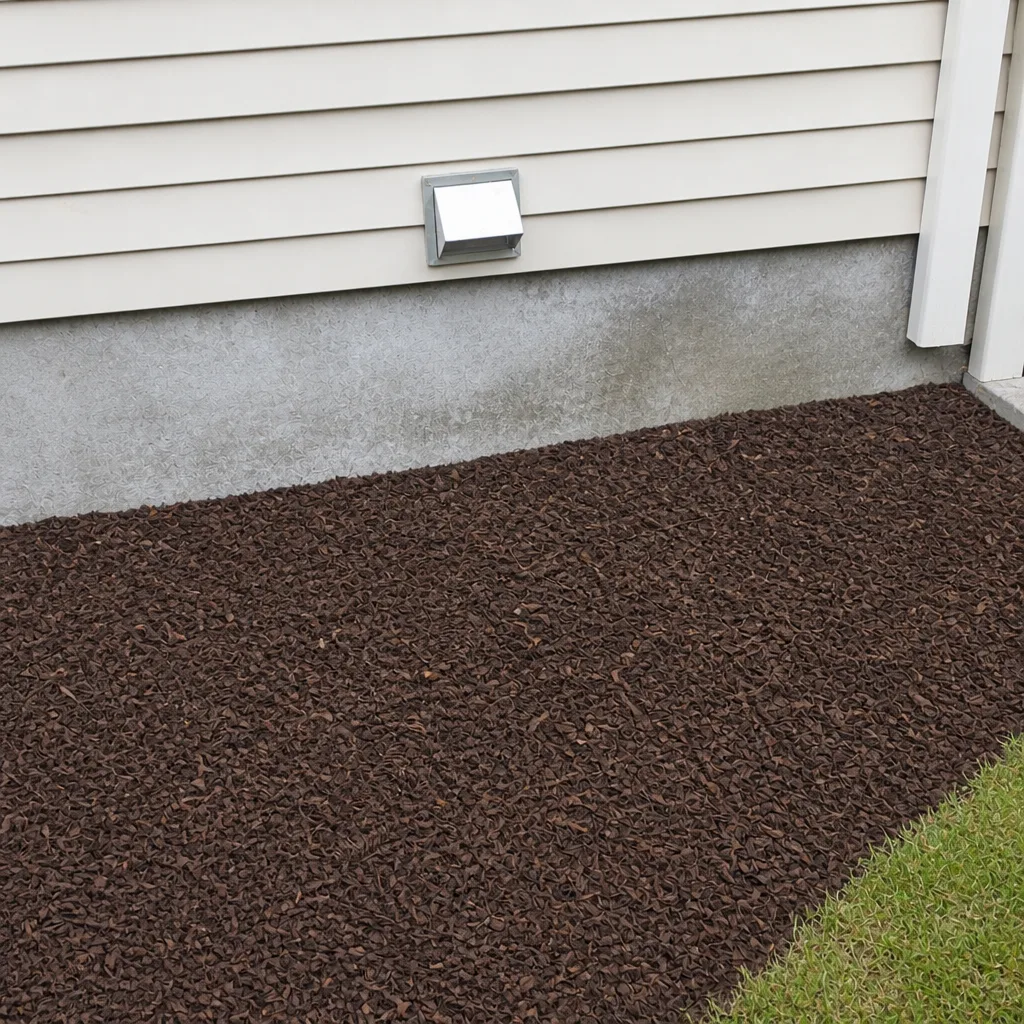 After
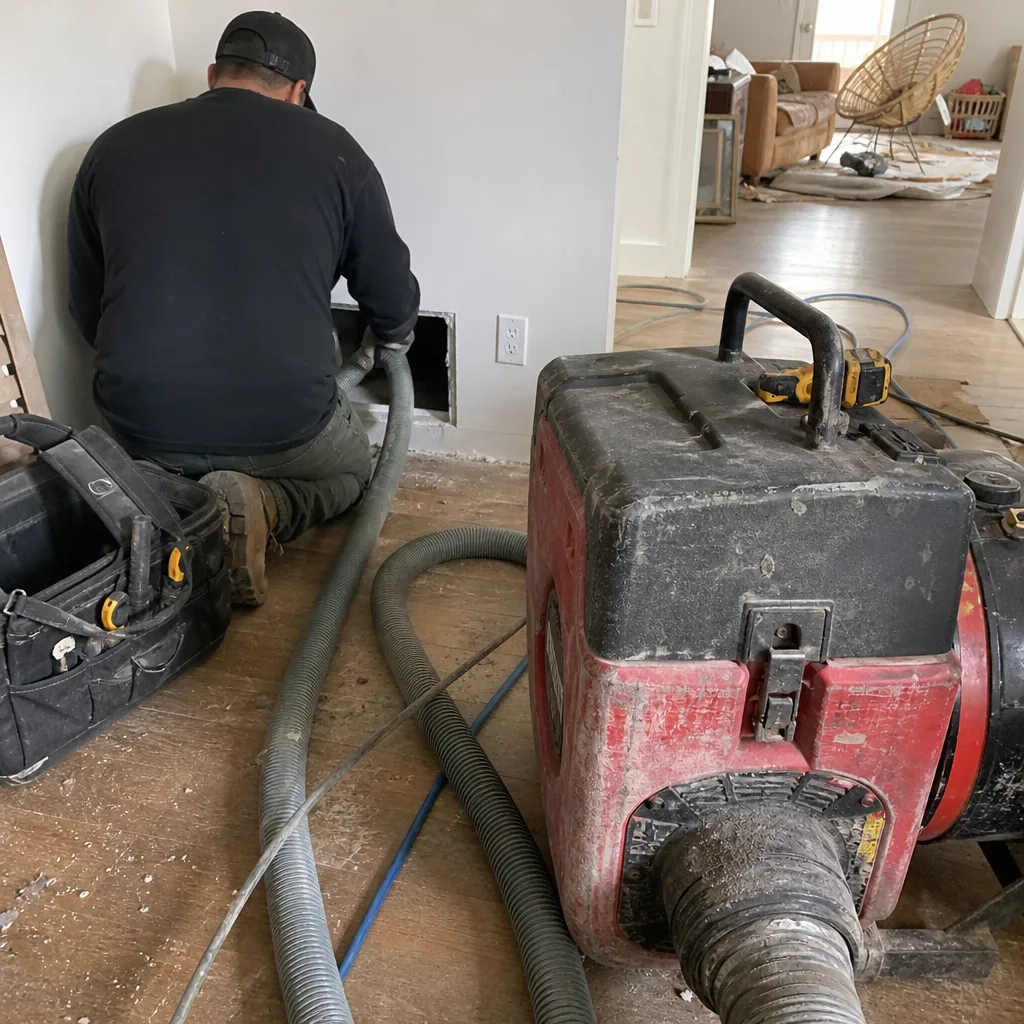 Before
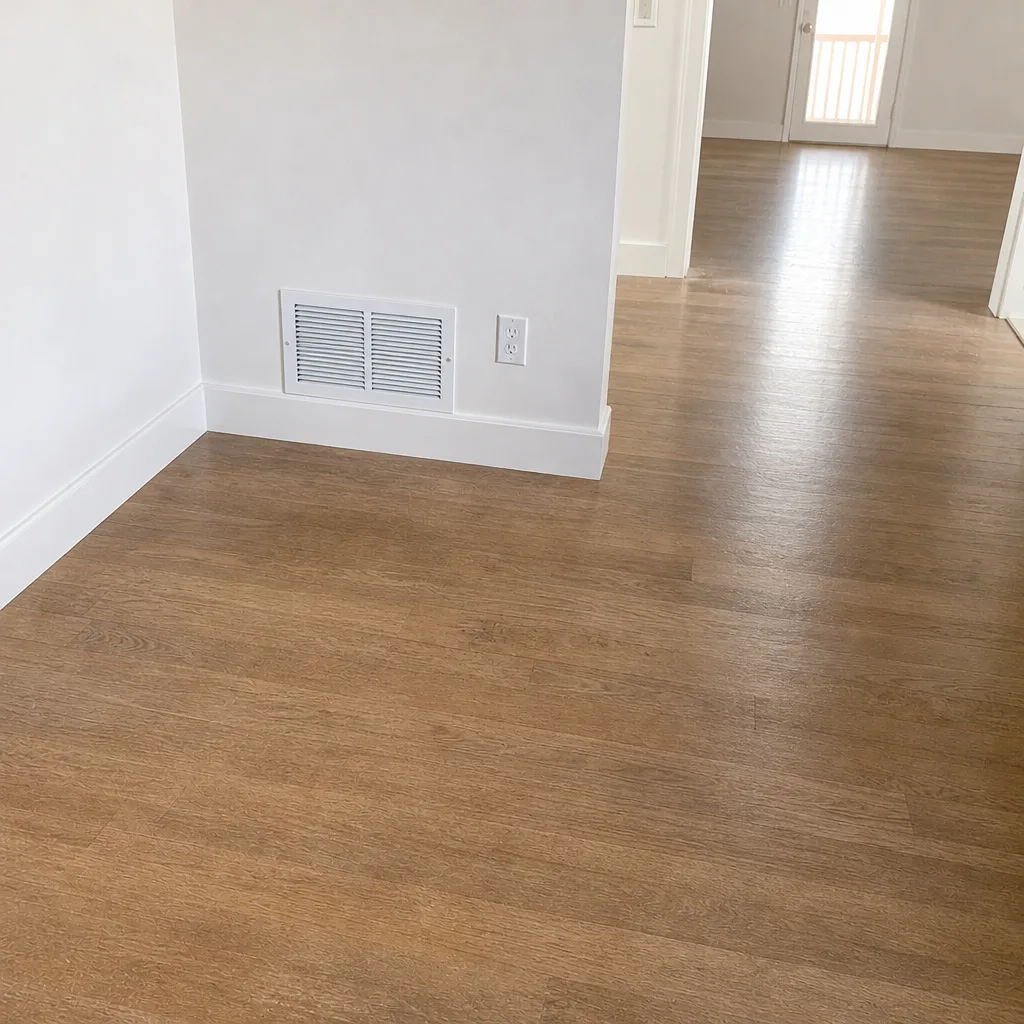 After
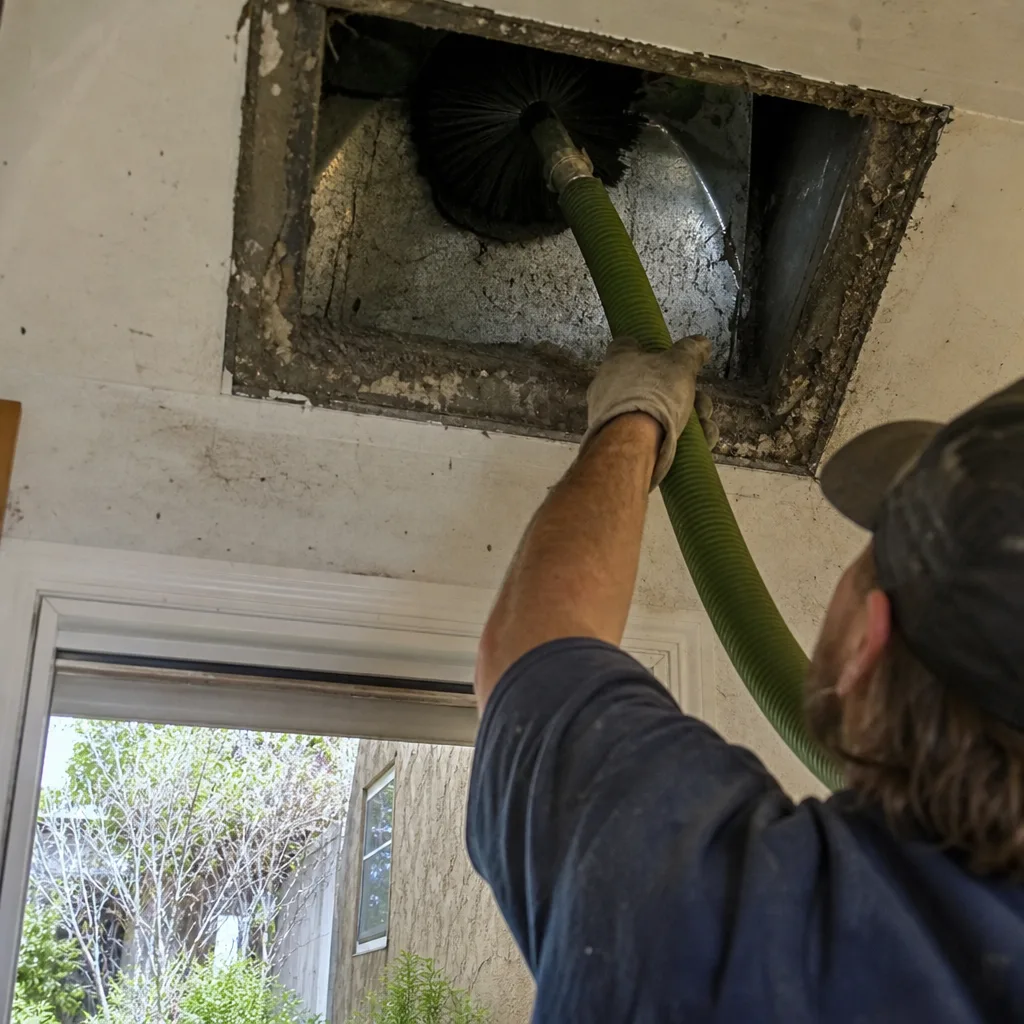 Before
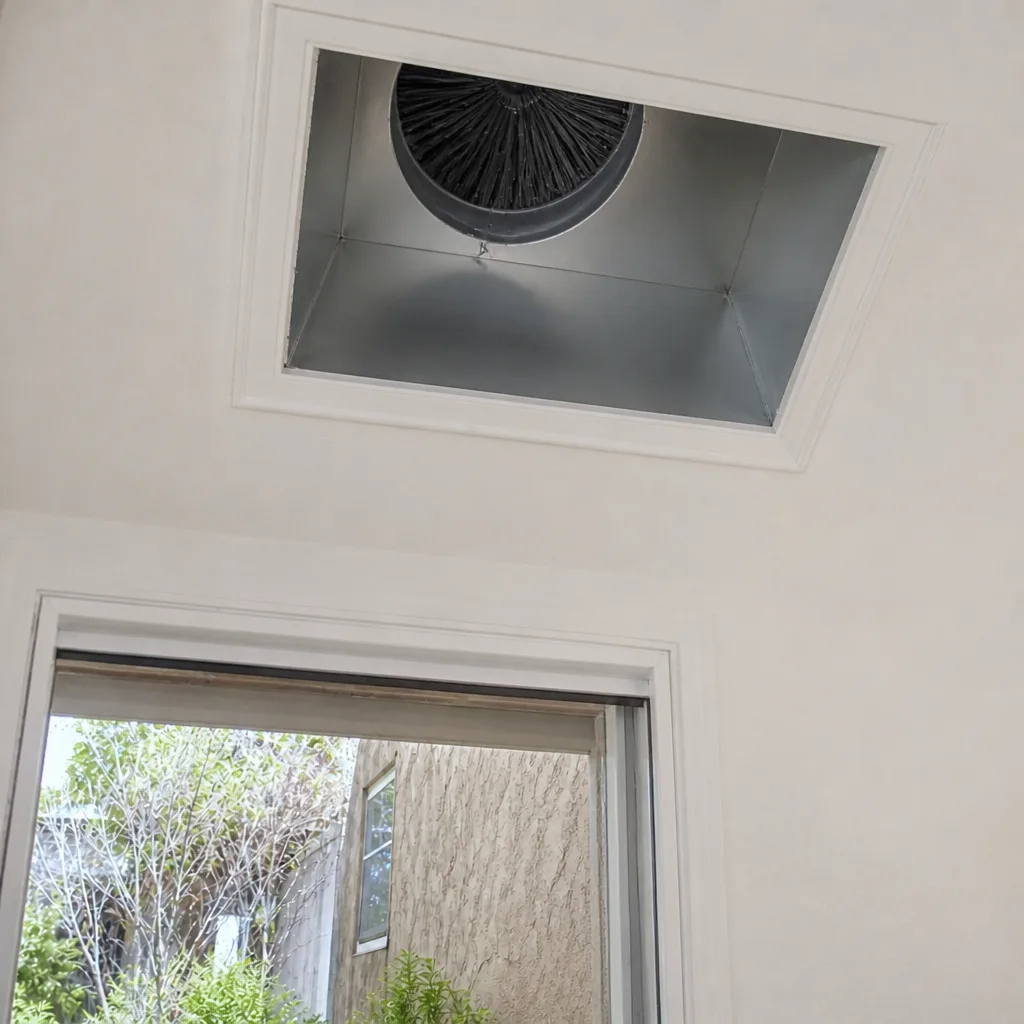 After
When to Call a Professional
Call a professional when two or more warning signs show up at once, when musty or burning smells persist past the first cycle, after any renovation that generated significant drywall dust, or when your dryer vent hasn’t been checked in over a year. Call sooner if you can smell something in the air that wasn’t there before, or if you’ve already seen visible evidence of moisture at a register or near the air handler. The earlier the diagnosis, the more likely the fix is cleaning and sealing rather than repairing a section of ductwork.
Salt Lake City Air Duct Cleaning Pros offers free estimates in Salt Lake City. Call (866) 937-7589. We answer 24/7. Fast dispatch from 7am to 7pm, Sunday through Friday. The written estimate sets the final price. That’s one flat price per system agreed before work starts, no per-vent pricing, and before-and-after photos of your own ducts at the end. Our technicians have up to 11 years of experience, and work is performed with professional-grade equipment from Rotobrush, Nikro, and Abatement Technologies.
Frequently Asked Questions
Most Salt Lake City homes benefit from an inspection every two to three years, and cleaning whenever the signs in this guide line up. Homes with pets, recent renovations, or allergy sufferers often benefit from an inspection sooner. Winter inversions push more particulate into the system over time, so a home with a leaky return may need cleaning more often than one with a well-sealed system. There’s no universal calendar. Call (866) 937-7589 for a free estimate.
Typical whole-system cleaning in Salt Lake City runs a few hundred dollars, with the exact figure set by system size, the number of registers, and whether repair or sealing is needed. Estimates are free, and the written estimate sets the final price. Beware of a very low advertised price that grows into a large invoice once the technician arrives. Call (866) 937-7589 for an exact quote.
Low quotes usually skip the extraction step, use consumer-grade vacuums, or quote a low price for a partial job that grows into a larger invoice on site. The work is technically different from a proper cleaning: no contact-scrubbing of duct walls, no HEPA-rated extraction, and no coil inspection. A legitimate quote will be per system, agreed in writing before work starts, not per vent. Call (866) 937-7589 for an honest range.
Ask for before-and-after photos of your own ducts. A crew using professional-grade equipment has no reason not to show you. A technician who inspects the coil, seals the filter housing, and takes photos inside the trunk line is doing the work. A technician who just runs a vacuum at the register and leaves isn’t. Call (866) 937-7589 and ask any time before the job.
Yes, if the project generated drywall dust or wood dust, even with the registers covered. Fine dust drifts, settles on duct walls, and gets pulled back into the airstream over the following weeks. The high-risk period runs about 90 days after the work ends. A register-level inspection and a look at the coil will tell you whether cleaning is needed. For more detail, see our air duct cleaning page.
No. A musty smell often points to moisture on the coil or in the duct lining rather than active mold growth. Either way, the source needs to be found and fixed, which is where duct repair and sealing earns its place. Cleaning without addressing the moisture source won’t solve it. For an inspection, call (866) 937-7589.
A consumer shop vacuum can remove dust from a register, but it can’t contact-scrub the duct walls, extract fine drywall dust, or hold dislodged particles without letting them recirculate. That limited result is why professional equipment exists. For genuinely helpful results, especially after a renovation or in a home with moisture issues, have the system inspected first. Call (866) 937-7589 for a free estimate.
The Bottom Line
The best time to notice a duct problem is before it produces a dramatic symptom. Longer runtimes, changing dust patterns, musty or chemical odors, indoor particle spikes during Salt Lake City inversion seasons, and the 90-day window after a renovation are the signs that actually show up first. Two or more together means it’s worth a professional look. From there, the fix is usually cleaning, repair and sealing, and sanitizing, performed with the same equipment used in professional remediation, plus IAQ components that hold the result. Start with the Salt Lake City air duct cleaning pros, add dryer vent cleaning if the vent hasn’t been checked, and have the coil looked at while the technician is there. One call covers your ducts, dryer vent, and air quality. Call (866) 937-7589 for a free estimate. We answer 24/7. Fast dispatch from 7am to 7pm, Sunday through Friday.
Written by the team at Salt Lake City Air Duct Cleaning Pros.