
Last updated November 24, 2026
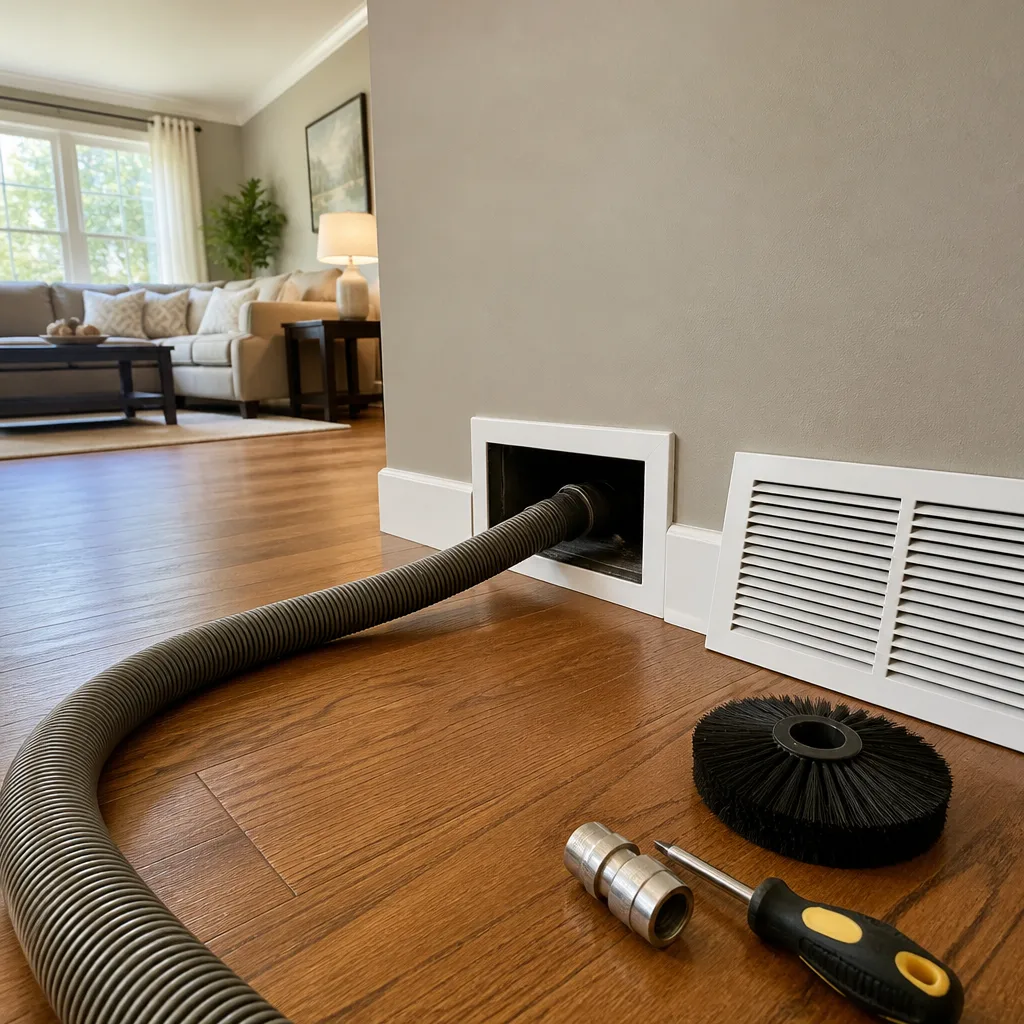 Whole-home duct cleaning
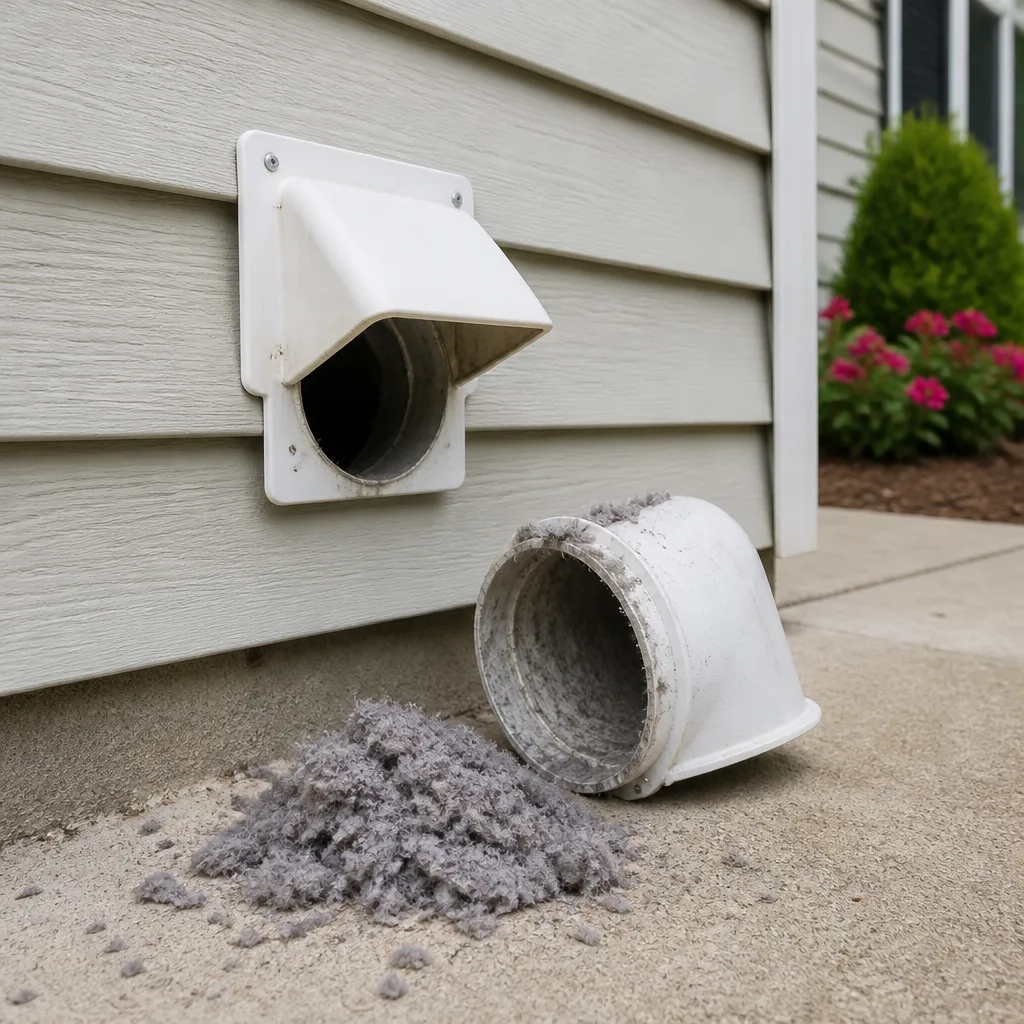 Dryer vent cleaning
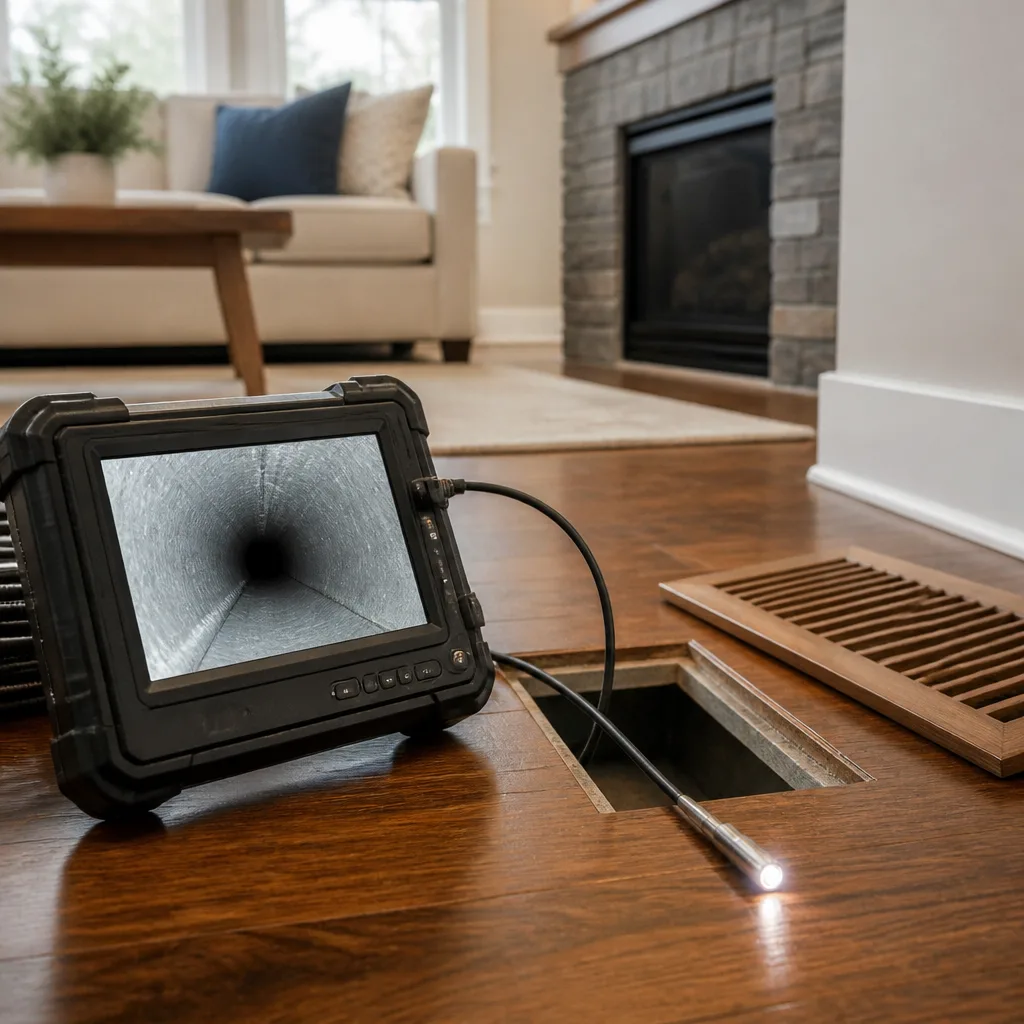 Camera inspection
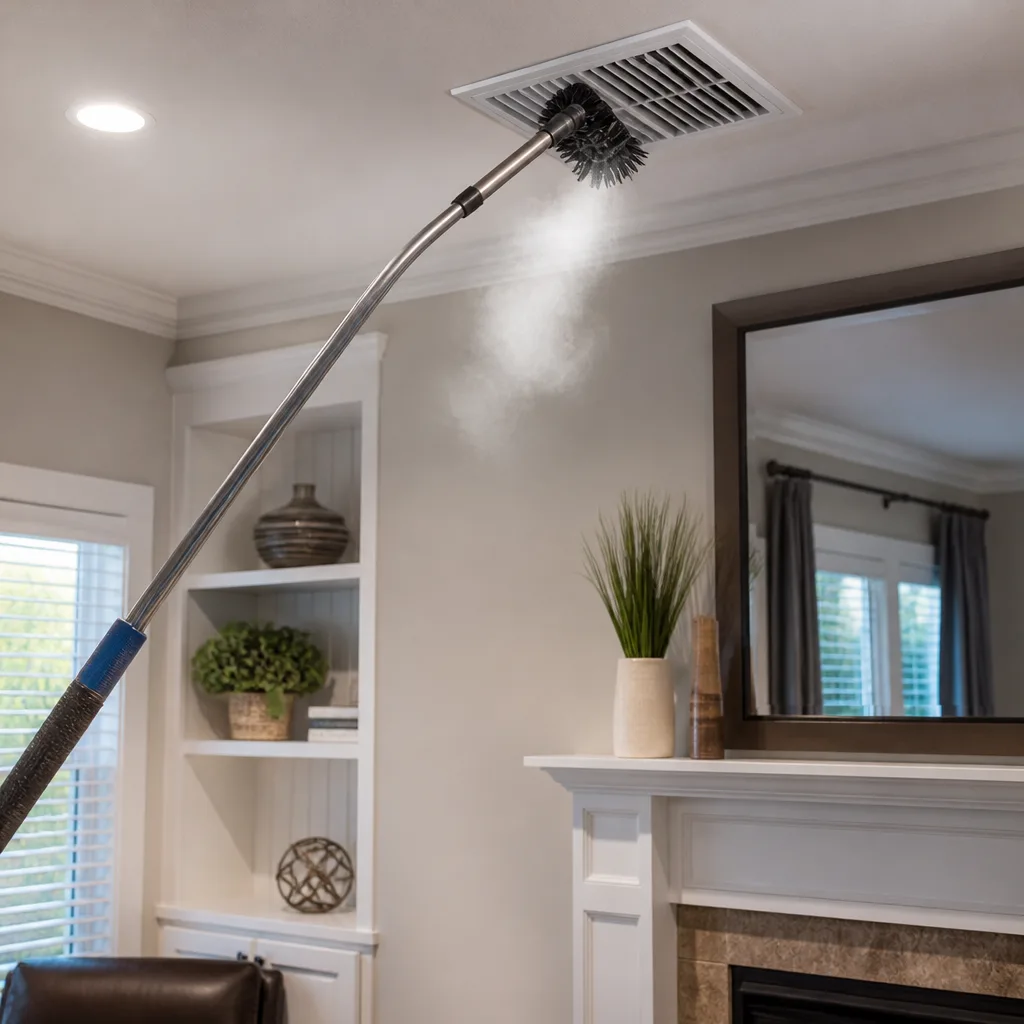 Sanitizing & deodorizing
Whole-system duct and dryer vent check with before-and-after photos - you see exactly what came out of your vents
That "$99 whole-house special" is a bait ad - the real number appears once they are in your hallway, or the "clean" is a shop-vac at the register. We photograph the inside of your ducts before and after instead.
The Complete Guide to Air Duct Cleaning in Salt Lake City
Most duct-cleaning advice floating around the internet assumes that every city’s ducts collect the same debris at the same rate. They don’t. Salt Lake City sits in a mountain valley where winter temperature inversions trap fine particulate matter near the ground, where construction from rapid growth sends drywall dust and insulation fibers through the air for months, and where summer heat and winter cold swing forty degrees or more and then back again. Your ducts are a filter for all of it. This guide maps what a real mechanical cleaning involves against the specific conditions of Salt Lake City homes, so you can tell the difference between a genuine whole-system job and a coupon-driven blow-out.
Quick Answer
Air duct cleaning in Salt Lake City is a whole-system mechanical process that uses negative-pressure vacuum extraction and rotary agitation to remove accumulated debris from the supply, return, and connected HVAC components, followed by repair, sealing, and sanitizing as needed. It matters more here than in most markets because valley inversions trap fine PM2.5 particles that settle into return systems, and rapid construction activity loads ductwork with drywall dust. A proper job takes several hours, ends with documented before-and-after photos, and is priced per system before work begins.
Styles & brands we work with
- Whole-home duct cleaning
- Dryer vent cleaning
- Camera inspection
- Sanitizing & deodorizing
Table of Contents
- Why Salt Lake City Ducts Collect Debris Differently
- How Temperature Inversions Push Fine Particles Into Return Air
- Truck-Mounted vs. Portable Equipment: What Your Ducts Actually Need
- What a Technician Should Inspect and Document
- The Mechanical Cleaning Process, Step by Step
- Why Sanitizing Is a Separate Step, Not an Upsell
- How to Read a Post-Cleaning Report
- Duct Repair and Sealing: The Half That Gets Skipped
Why Salt Lake City Ducts Collect Debris Differently
Salt Lake City’s geography does something to its air that most national cleaning guides never address. The city sits in a bowl between the Wasatch and Oquirrh ranges, and in winter that bowl fills up. Cold air sinks and gets trapped under a layer of warmer air, and everything coming out of tailpipes and chimneys stays put until the next storm clears it. During those inversion stretches, fine PM2.5 particles hang in the air at ground level for days.
Your HVAC system is running at the same time. Every time it cycles on, the return side pulls in that particle-laden air, and the filter catches what it can. But the filter is a single line of defense, and the duct joints, elbows, transitions, and plenum surfaces behind it collect what slips past. Over one winter of inversion events, the accumulation is measurable.
Then there’s construction. Salt Lake City and the surrounding valley have been among the faster-growing metro areas in the country for years, and that means an unusually high concentration of renovation activity in established neighborhoods. Drywall dust is heavy, and it doesn’t stay in the room where it was sanded. It drifts through the house and settles into return grilles, particularly during HVAC-off windows when air pressure equalizes.
The third factor is thermal cycling. Salt Lake City goes from summer highs in the upper 90s to winter lows well below freezing and back again every year. Duct board, flex duct seams, and tape joints expand and contract through thousands of cycles. Small gaps open. That’s not a cleaning problem yet. It’s the beginning of one, and it’s why HVAC cleaning has to include an inspection of the duct shell itself, not just the interior surfaces.
What this means in practice is that a Salt Lake City home usually needs cleaning on a different schedule and with different extraction depth than a home in a stable, low-particulate climate. If you’re comparing local quotes, ask each one what equipment they plan to use and what they plan to inspect. The answer tells you a lot.
How Temperature Inversions Push Fine Particles Into Return Air
Fine particulate – the PM2.5 fraction, meaning particles 2.5 microns or smaller – is the fraction that matters most for duct contamination in Salt Lake City, because it’s small enough to pass through standard filters and light enough to stay suspended long enough to be drawn into the return system.
During an inversion event, the air at the valley floor is stagnant. Furnace systems run more, because it’s cold, and the furnace fan runs longer per cycle. That means the return side is pulling more total cubic feet of air through the system during the exact window when particulate concentration is highest. The math is straightforward: more air moved, more particles captured on surfaces.
What this changes about the cleaning job is extraction pressure and agitation. You can’t just blow air through a return. Dislodged debris has to be captured, or it becomes airborne in the living space. Professional cleaning rigs handle this with negative pressure: a large vacuum is connected to the main trunk or plenum, the whole system is placed under suction, and all agitation happens while that suction is pulling contaminated air away from the living space.
For Salt Lake City homes near the sources of the particulate – along the I-15 and I-80 corridors, for example, or in neighborhoods bordering heavy construction – the cleaning frequency question often comes up. There’s no universal answer, but we generally tell homeowners that an inspection worth trusting is worth more than a schedule worth pinning to the calendar. If a technician inspects the system and finds heavy accumulation on return plenum walls and duct runs, it’s time. If it’s light, it can wait. That’s more useful than a rule of thumb.
What we’ve seen in Salt Lake City is that the return side almost always tells the fuller story. Supply runs filter the air they carry; returns see it raw. Ask any technician you hire to open an inspection panel and look at the return plenum before quoting. Anyone who won’t is guessing.
Truck-Mounted vs. Portable Equipment: What Your Ducts Actually Need
The single biggest quality differentiator in duct cleaning is the equipment the crew brings, and there are two broad categories: truck-mounted negative-pressure vacuum systems and portable units. Both can work, but they’re not interchangeable, and the choice should depend on the duct configuration of the specific home.
Truck-mounted systems generate higher continuous suction and higher air volume. A large hose runs from the truck into the home and connects to the main trunk or a plenum cut. These are the reference standard for whole-system negative-pressure cleaning, especially in homes with sheet metal ductwork and generous runs, because the suction holds the entire system at a sustained negative pressure while a technician agitates every exit with a rotary brush or air whip. The debris moves toward the hose, not toward the living space.
Portable HEPA units – like the Nikro systems we use – pull their own weight when a truck setup isn’t practical or optimal. Multi-level homes where the truck can’t get close enough to the supply trunk, condos and apartments with shared mechanical spaces, and buildings where hose runs would be hundreds of feet through a parking area all fall into this category. Portable HEPA units capture fine particles at the source, and the quality of the extraction depends heavily on the design of the machine. Nikro HEPA-rated systems capture particles down to 0.3 microns, which matters when you’re pulling the very fine particulate that Salt Lake City inversions leave behind.
For rotary agitation, we run Rotobrush rotary-brush extraction systems. The same platform is specified by NADCA-aligned contractors across the country for its ability to reach into duct work, break up adhered debris from the duct walls, and vacuum it out under continuous negative pressure. It works in sheet metal, duct board, and flex duct with the right brush heads.
What matters for a Salt Lake City homeowner is that the crew can tell you specifically why they’re using the equipment they brought. If the answer is “it’s what we have,” ask for an inspection first. If the answer is “your home has X configuration, which means Y,” you’re talking to a professional.
For a deeper look at how we match equipment to homes across the valley, see our Salt Lake City air duct cleaning pros page.
Duct Configurations That Shape the Equipment Decision
- Sheet metal trunk and branch (common in older Avenues and Sugarhouse homes): strong candidate for truck-mounted negative pressure with rotary brush agitation. The rigid metal transmits suction well and holds up under brush work.
- Duct board distribution (common in mid-century and later builds): requires lower-pressure agitation and careful brush selection because duct board surfaces score easily. Portable HEPA extraction is often the better fit here.
- Flex duct runs (very common in newer construction and renovation add-ons): needs inspection before cleaning, because sagging or crushed flex segments can’t be cleaned effectively and may need to be replaced as part of air duct cleaning scoped properly.
- Mixed systems (older home with added-on runs): usually requires both portable and rotary equipment because the configurations change room to room.
What a Technician Should Inspect and Document
Before any cleaning begins, a thorough inspection should happen. This isn’t a sales walk-through. It’s a mechanically meaningful look at what condition the system is in, and it should produce documentation you keep.
Here’s what a proper pre-clean inspection covers:
- Access points. Where will the crew make access cuts, and are there enough of them to reach every branch? A cleaning without adequate access points is a partial cleaning.
- Duct material by run. Sheet metal, duct board, and flex each require different agitation tools. The technician should note which is which.
- Seam and joint condition. Tape failures, gaps at fittings, disconnected runs. These get documented before cleaning because the cleaning process can shift airflow and reveal issues.
- Flex duct integrity. Sagging, crushed runs, torn outer jackets, separated inner liners. Flex duct in poor condition may need replacement rather than cleaning.
- Plenum and coil condition. The air handler cabinet and evaporator coil surfaces should be evaluated. A clean duct feeding a fouled coil still moves less air than it should.
- Return air pathways. Filter grilles, return trunk, and any panned joist returns. These often look fine at the grille and heavily loaded deeper in.
- Dryer vent condition. Often skipped by duct-only operations, but a clothes dryer vent is a fire-safety component. If it’s part of the visit, the technician should inspect and document its condition too.
- Baseline photos. Interior photos of duct runs before cleaning. These become the “before” side of the before-and-after documentation.
What to look for in the inspection write-up is specificity. “Ducts are dirty” tells you nothing. “Return trunk has heavy drywall dust accumulation; three flex runs to the south bedrooms show sagging and inner-liner gaps; supply trunk is sheet metal in fair condition with one taped joint failure” tells you everything you need to know about scope and price.
The Mechanical Cleaning Process, Step by Step
A complete cleaning is a sequence, not an event. Here’s what the process looks like when it’s done properly, in the order it should happen:
- Set up containment. Floor protection goes down, and any open access points get covered.
- Connect extraction. The main vacuum – truck-mounted or portable HEPA – is connected to the trunk or plenum. Negative pressure starts before any agitation begins.
- Verify negative pressure. A quick check that the system is held under suction. If airflow is going the wrong direction at a grille, that gets fixed before anything is loosened.
- Agitate each branch. A rotary brush or air whip works through every register. This is where adhered debris breaks free and gets pulled toward the extraction point.
- Clean the trunk lines. Larger runs get brushed or whipped, again under continuous suction.
- Clean the air handler cabinet. Interior cabinet surfaces, blower wheel (where accessible without removal), and the coil face.
- Replace access panels and seal. Any access cuts the crew made get closed with proper closure materials and sealed.
- Sanitize, if scoped. A separate step, described below.
- Photograph results. Interior photos of the same runs documented before cleaning, after cleaning. This is your evidence the work was done.
- Restore airflow and test. Filters go back in, the system cycles on, and airflow is checked at the registers.
What separates a good job from a poor one is often step 2 – the insistence on holding the whole system under negative pressure throughout. A shop vac at one register, or a blower without suction, is a way of redistributing debris into the living space.
Most of our Salt Lake City clients ask about timing. A standard single-family home with a straightforward configuration usually takes half a day. Homes with heavy contamination, multiple systems, or complex duct runs take longer. Anyone promising a full-system cleaning in under an hour is not cleaning the full system.
Why Sanitizing Is a Separate Step, Not an Upsell
Sanitizing is often sold as a chemical spray-down bolted onto the end of a cleaning. That’s not what it’s for. Sanitizing is a distinct step that addresses a distinct problem: what’s left on the surfaces after mechanical cleaning removes the accumulation.
In Utah’s dry climate, this step is often more important than in humid climates, but for exactly the opposite reason people assume. Mold spores don’t need standing moisture to persist. Once established in a dust layer on a duct wall, they sit dormant through the dry season. When humidity rises inside the system – during a cold snap when the house is tight, or when a humidifier is running, or when a bathroom exhaust is underperforming – the dust layer provides the moisture reservoir the spores need to reactivate. Cleaning removes the dust layer. Sanitizing with an EPA-registered antimicrobial addresses what was living on and in that layer before it was removed.
Here’s the sequence and why it matters:
- Sanitizer applied before mechanical cleaning hits a dust layer and penetrates unevenly. It also gets removed by the cleaning that follows.
- Sanitizer applied after mechanical cleaning treats a clean surface, where it can actually contact the duct substrate and any biofilm residue.
- Sanitizer applied without mechanical cleaning is a scent, not a treatment. Dead spores and dust remain in place, and the dust gets redistributed every time the system cycles.
The other half of sanitizing in Salt Lake City is the ducts aren’t the only surface. Humidifiers, HRV/ERV cores, and condensate pans each have their own cleaning and sanitizing requirements. If a crew will sanitize duct surfaces but won’t address a fouled humidifier pad or a condensate pan with standing water, that’s a partial job.
If you’ve had a moisture event – a leak, an overflowing condensate, a bathroom exhaust failing for a stretch – that’s when sanitizing becomes essential rather than important. In a dry year, it’s still worth discussing. In a wet year, it’s the second half of the cleaning.
We use EPA-registered antimicrobials and follow label directions on dwell time and ventilation. That’s the minimum standard. If a quote presents sanitizing as a fog that doesn’t require mechanical cleaning first, ask what the sanitizer can physically contact.
How to Read a Post-Cleaning Report
A post-cleaning report is your record that the work actually happened and that the system is performing the way it should. If a company doesn’t offer one, that’s a signal. If they offer one with only a signature line and a “completed” checkbox, that’s a bigger one.
What a useful report should include:
- Before-and-after interior photos of the same duct runs, from the same access points. Not a stock photo of clean-looking metal – photos of your ducts.
- A written summary of what was cleaned – which supply runs, which returns, which plenum sections, whether the air handler cabinet and coil face were included.
- Baseline airflow readings. Static pressure at the air handler and register readings at a few sample points tell you whether the system is moving the air it should. CFM numbers as a reference are helpful.
- Filter status and recommendation. Current MERV rating, condition, and any upgrade recommendation based on duct condition.
- Findings and follow-up items. Joint failures, flex duct condition, items that need repair or sealing but weren’t part of the cleaning scope.
- Sanitizer product name and application notes if sanitizing was performed.
What reasonable airflow looks like depends on the system design, so the report should give you numbers tied to your equipment rather than a generic target. A typical single-family system moving somewhere around 400 CFM per ton of cooling capacity is a common reference, but the actual number matters less than whether the system is close to what it was designed for. A dirty system that’s been cleaned should move meaningfully more air. That difference is the payoff.
Particle counters are sometimes offered as a metric. They’re useful for relative comparison – before and after, in the same home, with the same counter – but they’re easy to game with adjacent air scrubbing. What we trust more is the combination of visible before-and-after documentation and airflow numbers.
Duct Repair and Sealing: The Half That Gets Skipped
Cleaning removes what’s accumulated. Repair and sealing address why it accumulated, and this is where most single-visit duct cleaning operations stop short. A common pattern across Salt Lake City homes is ductwork that was cleaned a few years ago and is now loaded again. The cause isn’t poor cleaning – it’s duct leakage and joint failures sending dirty air into the system from unconditioned spaces.
What duct repair and sealing actually involves:
- Locating leakage. Access panels, joint failures at fittings, disconnected runs, and panned joist returns that were never properly sealed. Some of this is visible; some requires a small smoke or pressure test.
- Closing the failure points. Mastic or approved tape on sheet metal joints. Approved flex-to-hard-duct connector systems for flex runs. Duct board joints repaired according to manufacturer guidance.
- Rebalancing airflow. Sealing a leaky trunk changes how air distributes across the branches. If the airflow was tuned around leaks, it needs to be re-tuned after sealing.
- Replacing failed flex duct. Crushed, torn, or disconnected flex runs get replaced. Cleaning a damaged flex run is wasted money.
Why this matters in Salt Lake City specifically: the same thermal cycling that opens seams also exposes ducts in attics and crawlspaces to extreme temperature swings. An attic duct system sees well over 100 degrees on summer days and single digits in winter. That’s a tough environment for tape and connectors, and a silent contributor to air-quality problems even when the duct interior looks clean.
Once the mechanical side is addressed, indoor air quality products make more sense. The dryer vent cleaning visit often surfaces the same issue – disconnected or blocked exhaust runs are as much a structural problem as a cleaning one. Honeywell and Aprilaire whole-home IAQ products – filtration, humidity control, ventilation – are the next layer up, and they perform better on a system that isn’t leaking air from an attic or crawlspace. If a quote doesn’t include a repair and sealing discussion, ask about it before work starts.
Common Mistakes to Avoid
- Hiring a coupon-driven per-vent price. A low headline price that becomes a much larger invoice on site is the classic bait-and-switch model. Ask for a written whole-system price before any crew arrives, and be wary of any company that won’t give one over the phone.
- Skipping the inspection. A crew that arrives ready to clean without opening an inspection panel is working blind. The inspection is where real scope gets set.
- Accepting a cleaning with no negative pressure. If a technician agitates a duct with a brush or air whip without the system held under suction, debris that loosens goes into the living space, not out of the house.
- Believing sanitizer alone is a cleaning. A fog of antimicrobial over a dust-loaded duct is a scent, not a treatment. Sanitizing is a post-cleaning step.
- Ignoring duct leakage. A cleaned system that leaks from an attic or crawlspace reloads quickly. Repair and sealing belong in the scope, even if the cleaning is the headline.
- Forgetting the dryer vent. In a Salt Lake City home, the dryer vent runs through exterior walls and can collect lint through its full length. It’s a fire-safety component, and a duct-only operation often excludes it.
- Skipping before-and-after photos. Without photos of your own ducts from the same access points before and after, you have no way to verify the work. Ask for them upfront.
See the difference
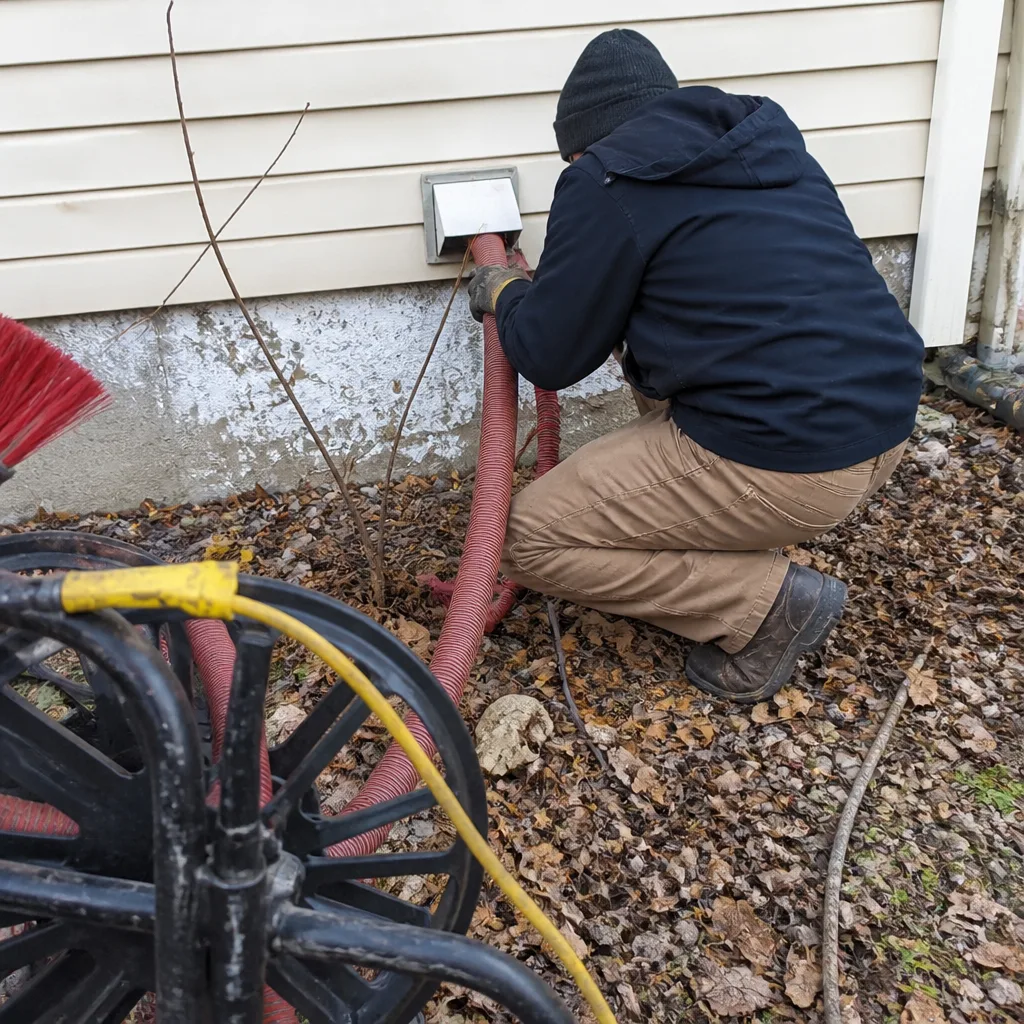 Before
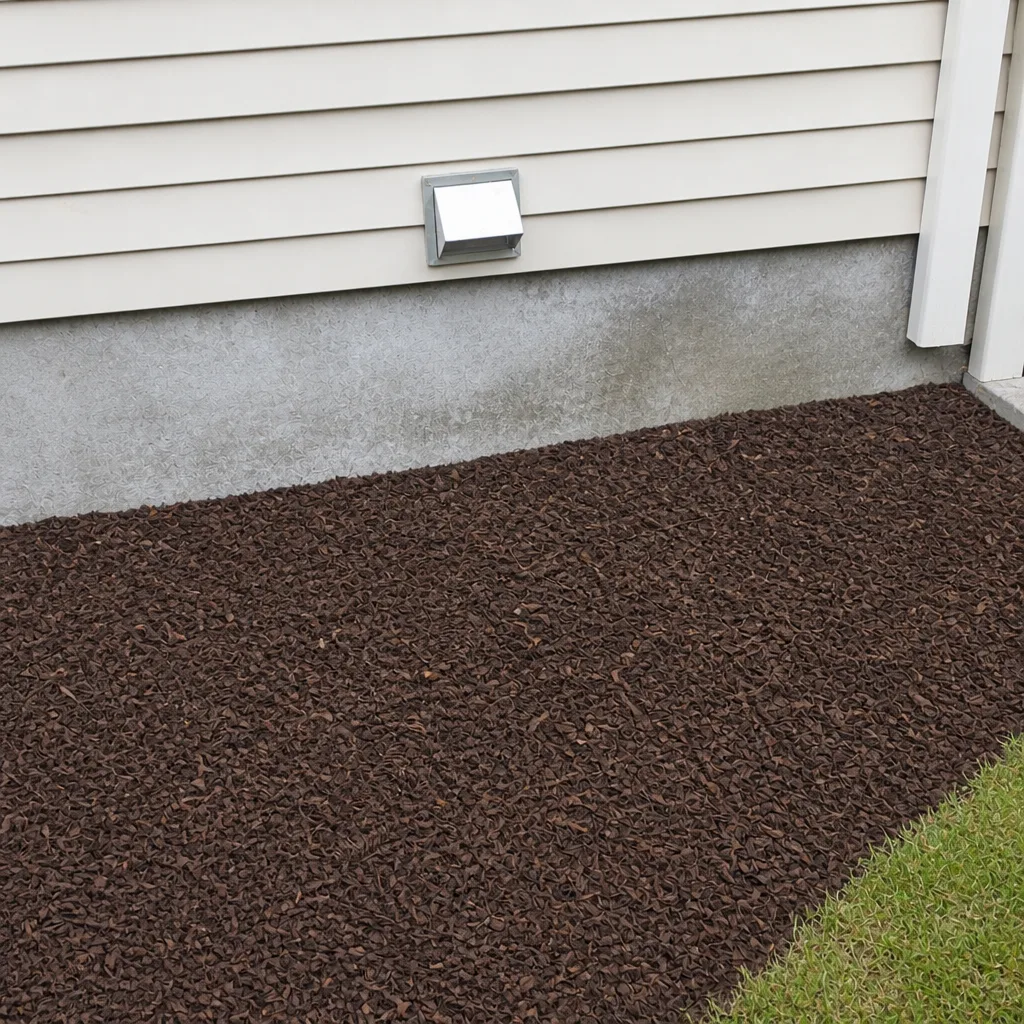 After
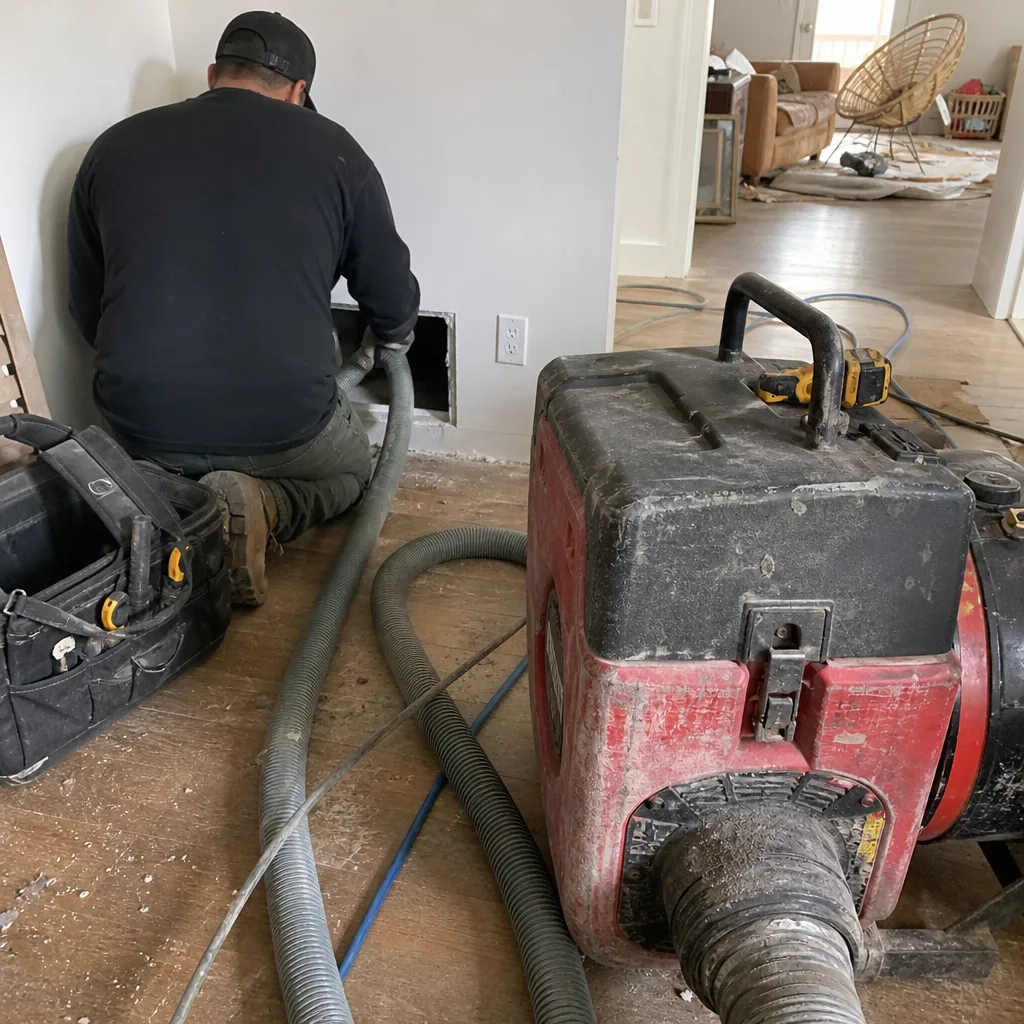 Before
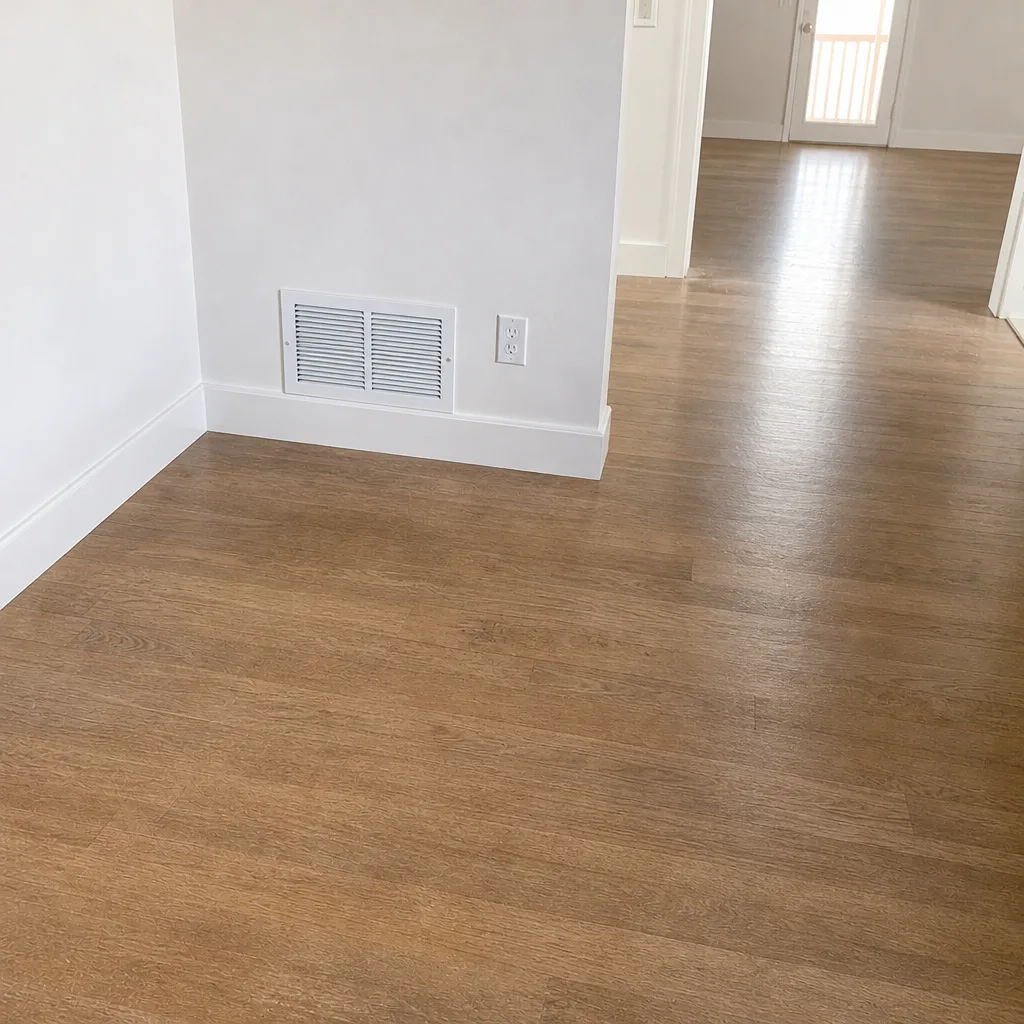 After
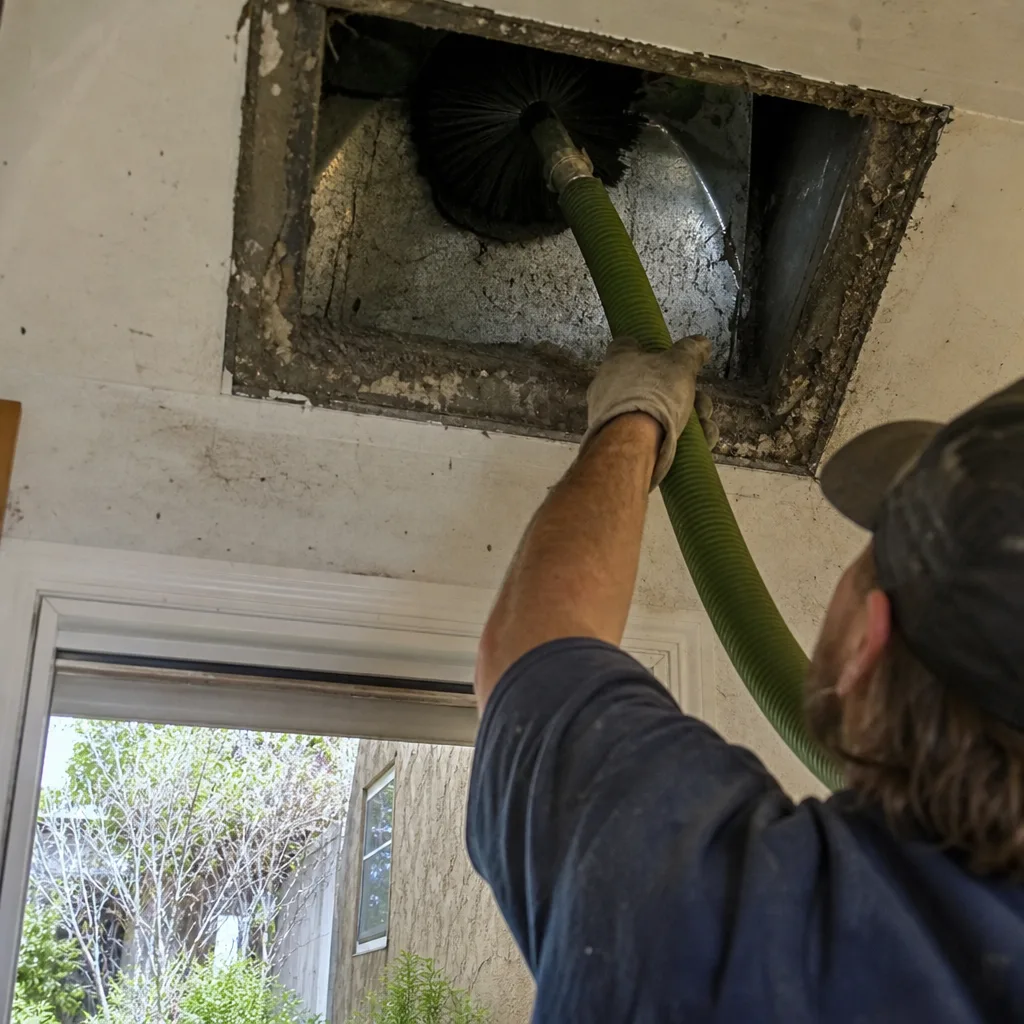 Before
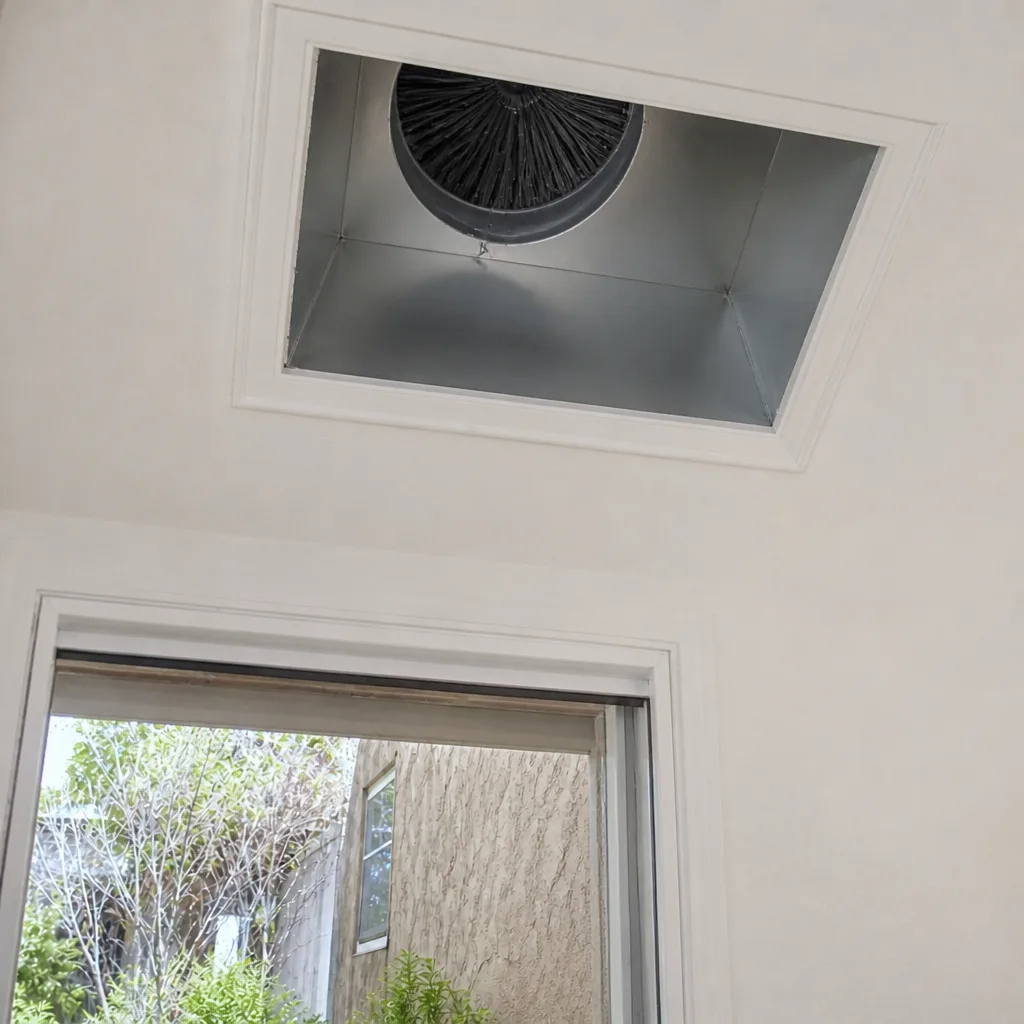 After
When to Call a Professional
Some duct situations are clearly professional work. Visible mold growth on duct surfaces, pest activity or droppings inside the system, water infiltration from a roof leak or plumbing failure that reached the ducts, and post-renovation cleanups after drywall dust has been distributed through the house all call for a proper mechanical cleaning with documented before-and-after evidence. Persistent allergy symptoms that worsen when the HVAC system runs deserve an inspection. Unusually high dust accumulation on return grilles and registers a month after cleaning is a sign that leakage is refilling the system, not that the cleaning failed. If you’re not sure whether your system needs cleaning or repair, get an inspection first.
Salt Lake City Air Duct Cleaning Pros offers free estimates in Salt Lake City – call (866) 937-7589. We answer 24/7. Fast dispatch from 7am to 7pm, Sunday through Friday. Our technicians have up to 11 years of experience, and the local professionals we connect you with are licensed and insured as their state requires. You get one flat price per system agreed before work begins, and before-and-after photos of your own ducts when the job is done.
Frequently Asked Questions
Air duct cleaning in Salt Lake City is priced per system, not per vent, and a typical single-family whole-system cleaning estimated on the higher end of local range reflects the configuration of the home – number of branches, duct material, number of systems. You should expect a written estimate before work begins, and that written price is what the final invoice should reflect. Call (866) 937-7589 for an exact quote – estimates are free.
Cheap quotes usually reflect a smaller scope or lower-grade equipment: a portable shop-style vacuum instead of professional extraction, no rotary agitation, no access cut into the trunk, and no before-and-after documentation. Often the low headline number is a per-vent teaser that grows substantially once the technician is on site. A whole-system price agreed before work, with a written scope, is the only reliable comparison. Call (866) 937-7589 for a written estimate in Salt Lake City.
There’s no universal schedule, and anyone who quotes one without inspecting your system is guessing. Salt Lake City homes tend to need attention more often than the national average because of inversion-season particulate loading and heavy construction activity, but the right answer comes from inspection rather than a calendar. Call (866) 937-7589 to book an inspection – the estimate is free.
You know because you have before-and-after interior photos of your own ducts from the same access points, a written summary of what was cleaned, and airflow readings showing the system is moving closer to its design capacity. If a company won’t provide that documentation, that tells you something. Call (866) 937-7589 and ask what the post-cleaning report includes – we’ll walk you through it.
They do, and they specifically affect the return side of your HVAC system because inversions concentrate fine PM2.5 particulate at ground level while the furnace fan is pulling air through the system more often. Standard filters catch some of it; the rest settles into return plenums and duct surfaces. If you live in a Salt Lake City neighborhood near the valley floor, this accumulation happens faster. Call (866) 937-7589 to schedule an inspection and we’ll show you what’s actually in your return.
Sanitizing is a distinct step, not a substitute for cleaning, and whether it’s necessary depends on what the inspection finds – moisture history, visible growth, or a system that’s been sitting in a humid or dusty environment. In Utah’s dry climate, sanitizing is often more useful than people expect because mold spores persist in duct dust and reactivate when humidity returns. Call (866) 937-7589 to talk through what your system needs.
The Bottom Line
Salt Lake City’s duct contamination pattern is not the generic one. Inversions concentrate fine particulate at ground level, construction pushes drywall dust into return systems, and thermal cycling opens seams that reload cleaned systems. That’s why the same equipment that works in other markets doesn’t always match what a Salt Lake City home needs, and why the inspection, mechanical extraction, and repair-and-sealing steps all matter. The full scope includes cleaning, dryer vent, HVAC components, duct repair and sealing, and sanitizing – and it should end with documented before-and-after photos and airflow numbers. Professional-grade equipment from Rotobrush, Nikro, and Abatement Technologies gets the debris out. Duct repair and sealing keeps it out. Sanitizing addresses what’s left.
If you’re ready to schedule a free estimate for air duct cleaning in Salt Lake City, call (866) 937-7589. We answer 24/7. Fast dispatch from 7am to 7pm, Sunday through Friday. Salt Lake City Air Duct Cleaning Pros connects you with independent local professionals who perform the work.
Written by the team at Salt Lake City Air Duct Cleaning Pros.