
Last updated November 24, 2026
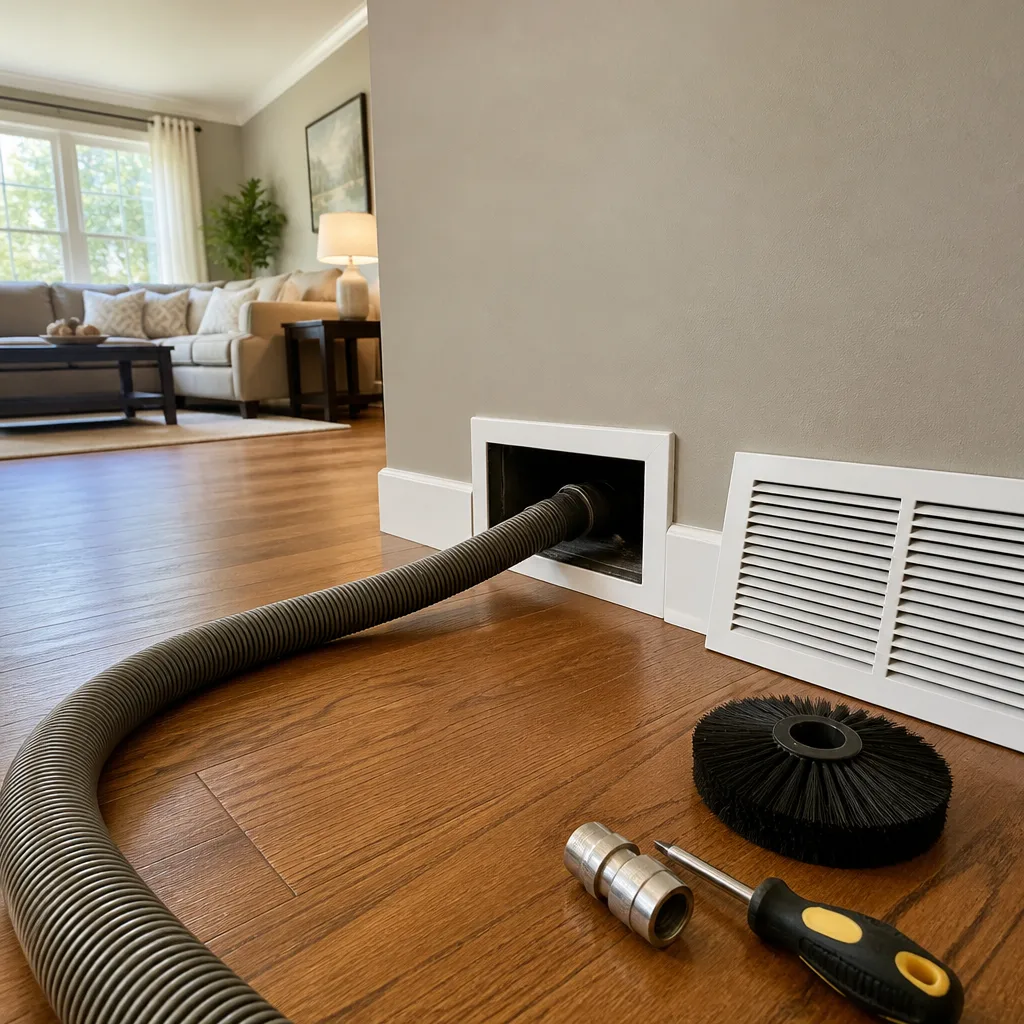 Whole-home duct cleaning
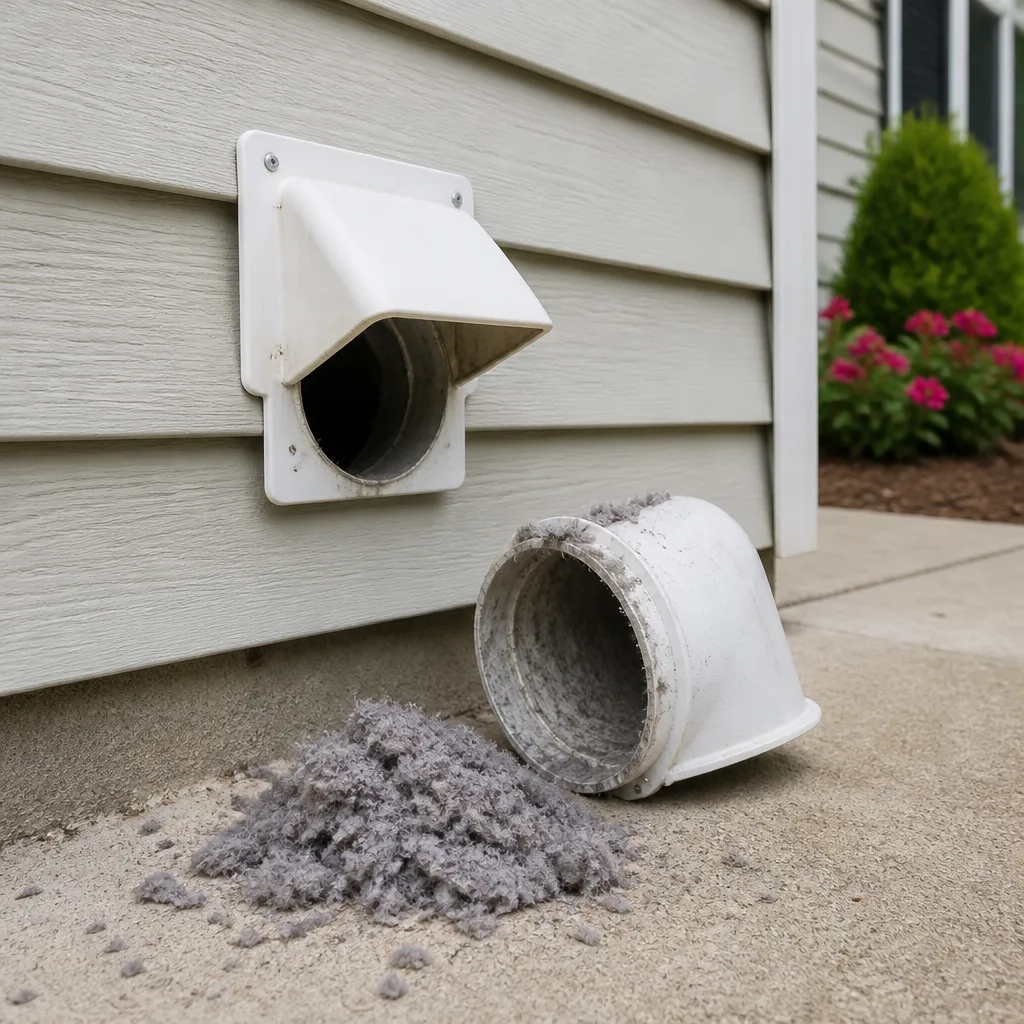 Dryer vent cleaning
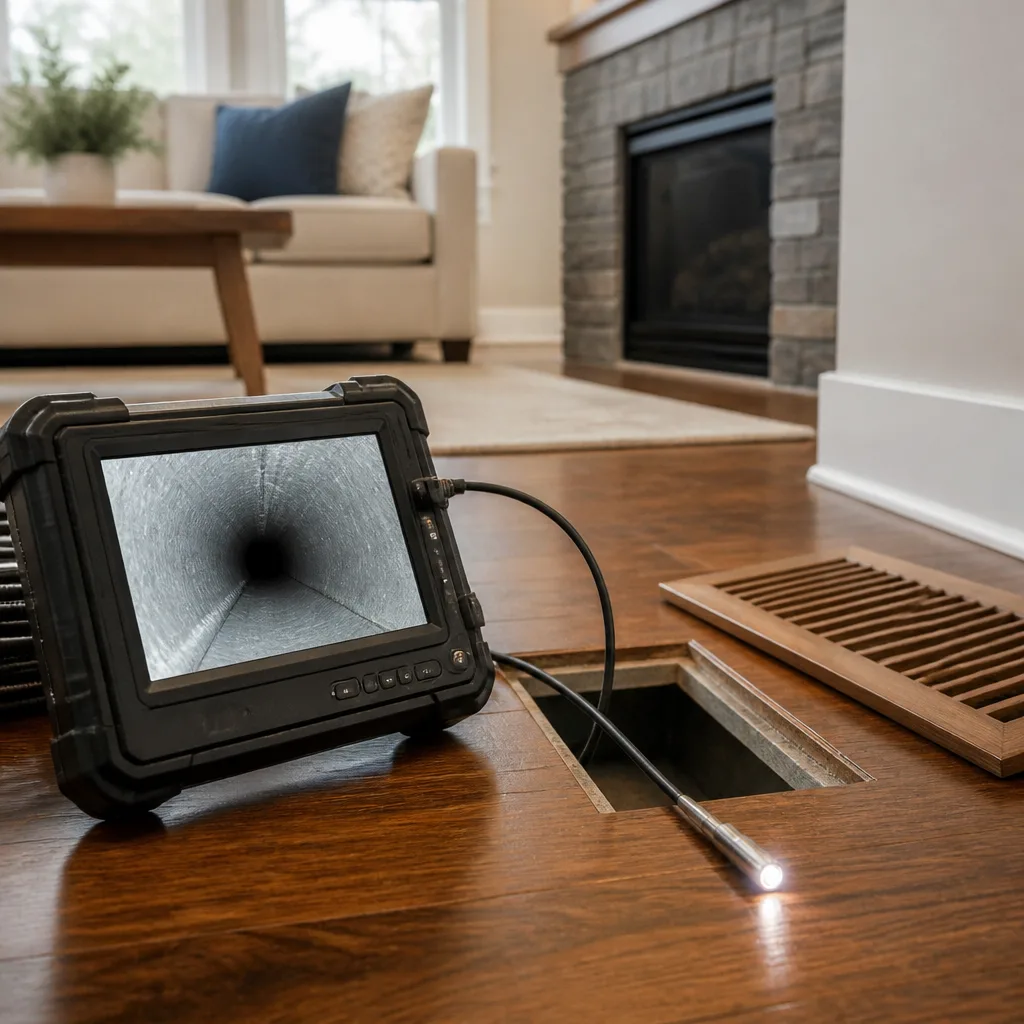 Camera inspection
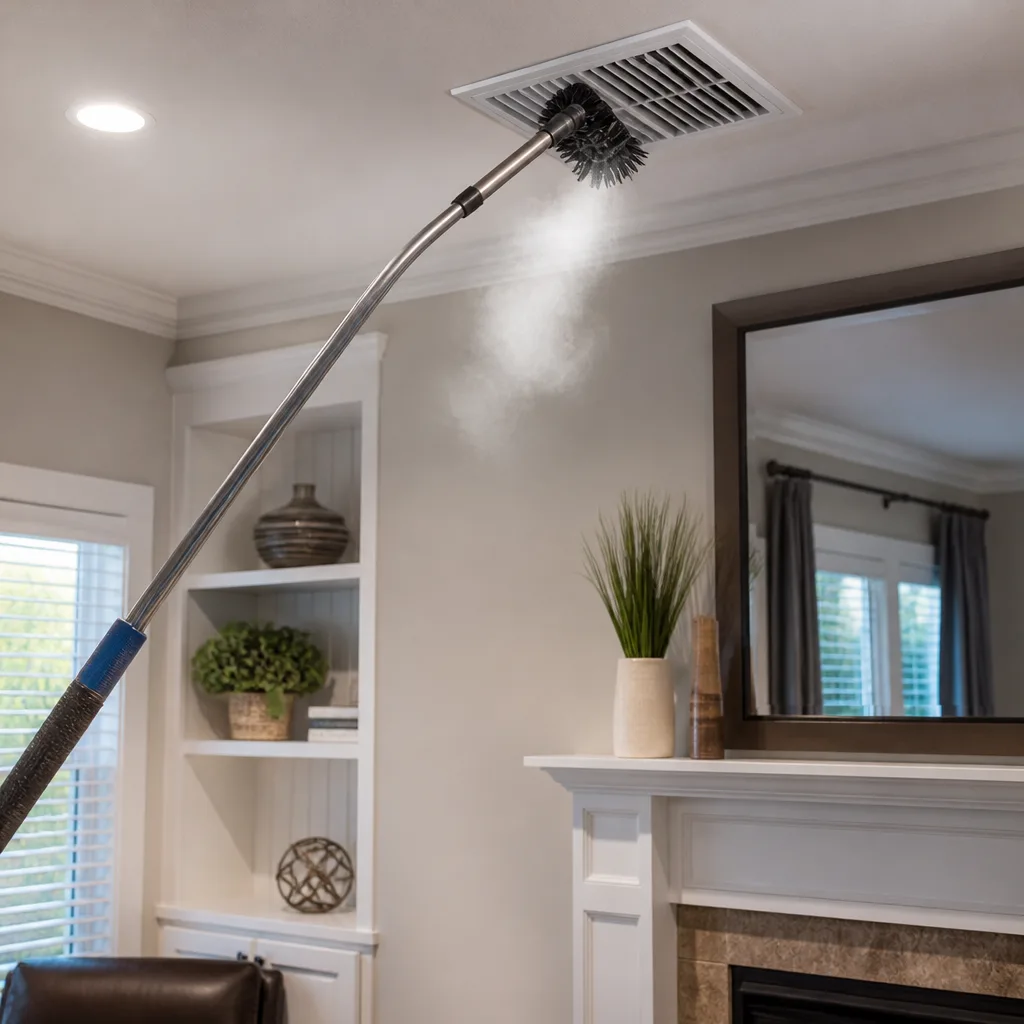 Sanitizing & deodorizing
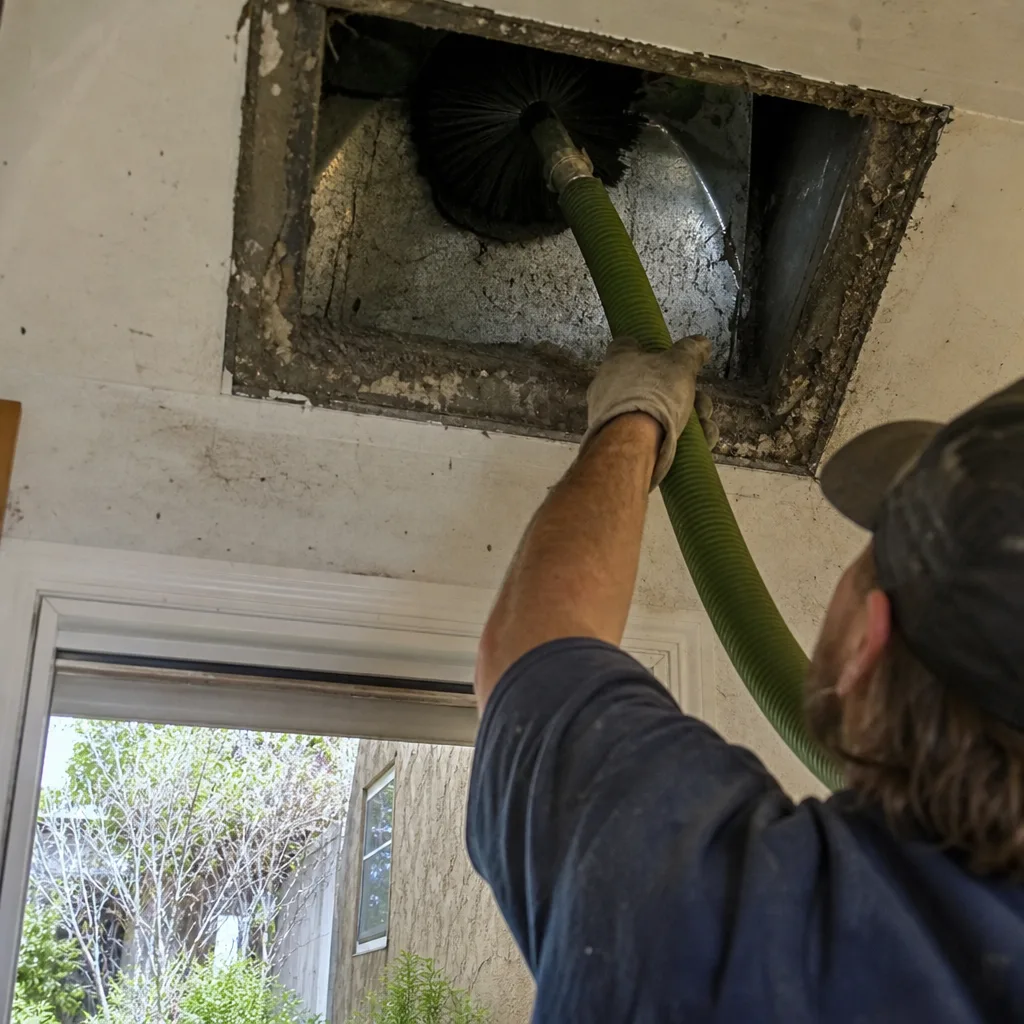
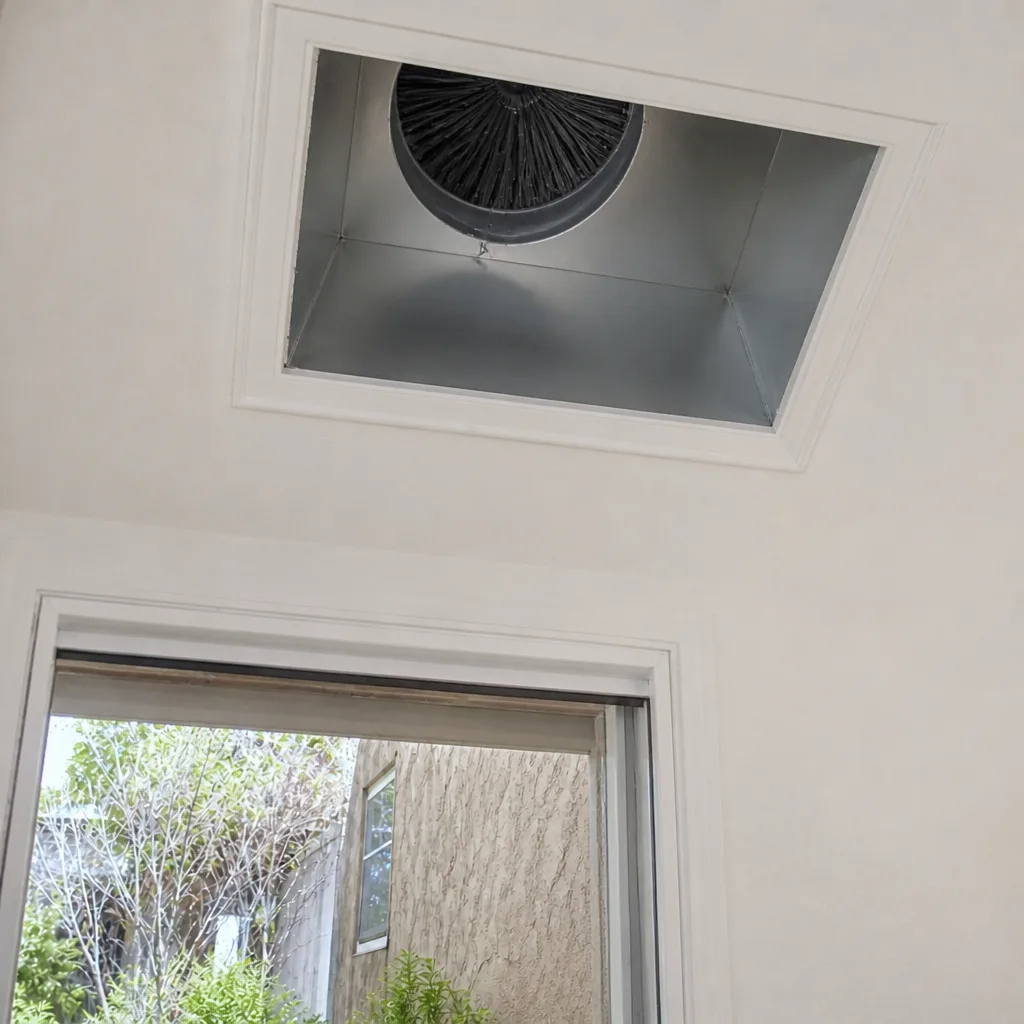
Whole-system duct and dryer vent check with before-and-after photos - you see exactly what came out of your vents
That "$99 whole-house special" is a bait ad - the real number appears once they are in your hallway, or the "clean" is a shop-vac at the register. We photograph the inside of your ducts before and after instead.
How to Hire an Air Duct Cleaning Contractor in Salt Lake City: A Step-by-Step Guide
In Utah, any person with a van and a website can legally offer air duct cleaning. There is no state-issued duct-cleaning license, which makes consumer vetting the only real quality filter you have. The industry’s reputation problem isn’t hypothetical: it’s the inevitable result of a market where the barrier to entry is a phone number and a shop vac. What separates a legitimate indoor air quality contractor from a bait-and-switch operation comes down entirely to the questions you know to ask before booking. This guide walks through the technical vetting questions, the Salt Lake City-specific red flags, what a real pre-job walkthrough looks like, and how to write a scope of work you can actually hold a contractor to.
Quick Answer
To hire an air duct cleaning contractor in Salt Lake City, verify four things before booking: the contractor uses professional rotary-brush equipment with HEPA-rated negative-pressure vacuum (not a shop vac), performs a documented pre-job walkthrough that maps access points and identifies duct material, provides a written scope of work specifying method and post-clean verification, and can confirm NADCA alignment or equivalent technical training. Price is the last filter, not the first. If the quote sounds unusually low for a whole-system job, it usually is.
Styles & brands we work with
- Whole-home duct cleaning
- Dryer vent cleaning
- Camera inspection
- Sanitizing & deodorizing
Table of Contents
- Why Utah’s Licensing Gap Makes Vetting Essential
- The Five Technical Questions to Ask Before Booking
- Salt Lake City Red Flags in the Duct Cleaning Market
- How to Verify NADCA Membership (and What It Doesn’t Guarantee)
- What a Legitimate Pre-Job Walkthrough Looks Like
- How to Write a Scope of Work You Can Enforce
- Post-Clean Verification: How to Know the Work Was Done
Why Utah’s Licensing Gap Makes Vetting Essential
Utah does not issue a duct cleaning license, and it does not require one to open a duct cleaning business. That single fact is the root of nearly every problem in this market. In trades where a state license is required, the license board filters out the worst operators before they can take a job. In duct cleaning, no such filter exists. The homeowner is the filter.
What replaces licensing is a patchwork of voluntary credentials. NADCA (the National Air Duct Cleaners Association) publishes standards and offers certification, but membership is voluntary. Some contractors hold it. Some don’t and are still perfectly competent. Some display the logo on a website without having done the coursework. The credential is useful as a starting signal. It is not a certificate of quality on its own.
The practical consequence for a Salt Lake City homeowner is that you have to ask better questions than you would in a licensed trade. You have to know what a professional-grade setup looks like, because no state inspector is going to. This is annoying, but it’s also empowering: the information is not secret, and a legitimate contractor will be happy to talk through their equipment and method in detail. If they get defensive when you ask how their vacuum is rated, that is your answer.
Salt Lake City’s housing stock adds weight to the question. Many homes in neighborhoods like Sugar House, the Avenues, and Rose Park are older, with duct systems that predate modern sealing standards. A surface-only “blow-out” on that infrastructure doesn’t just fail to clean: it can push debris into joints that were never sealed to begin with. In our experience, the quality of the contractor matters more on older Salt Lake City duct systems than on newer construction, and the equipment tells you most of what you need to know about the contractor.
The Five Technical Questions to Ask Before Booking
These five questions separate a professional air quality contractor from a shop-vac operator. Ask them on the phone before you book. Any competent contractor will answer all five without hesitation, and the answers themselves will tell you what kind of job you’re getting. It’s also a good idea to have these in writing, because a verbal “yes” is worth much less than a line in an email.
- What is the CFM rating and filtration level of your vacuum? CFM (cubic feet per minute) measures airflow; filtration rating measures what the vacuum actually captures. A professional setup pulls strong negative pressure through the system while filtering exhaust to a sub-micron level. Ask specifically about HEPA filtration. Consumer shop vacs and “portable” units from big-box stores cannot generate the airflow to keep debris suspended, and they cannot filter fine particulates out of the exhaust air. A contractor who can’t tell you the CFM rating of their truck-mount or portable vacuum is not running professional equipment.
- Do you use a contact vacuum or point-of-contact cleaning method? Contact vacuuming means the cleaning head physically agitates the duct surface while the vacuum holds and removes what’s loosened. Point-of-contact cleaning combines air whips, rotary brushes, and compressed air with simultaneous vacuum extraction. Both are professional methods. What you want to hear is a specific answer, not “we use a special machine.”
- Is the exhaust HEPA-filtered? This one is often skipped and it matters. If the vacuum’s exhaust isn’t HEPA-filtered, some of what gets dislodged can recirculate into the home. Nikro HEPA-rated systems, for example, capture particles down to 0.3 microns. That number is the difference between removing contamination and redistributing it.
- Do you use a rotary brush system? Rotobrush rotary-brush extraction is the platform spec’d by NADCA-aligned contractors nationwide. It uses a rotating brush head to agitate the duct wall while the vacuum pulls material out. Ask what brush system they use and whether the brush is sized to your duct material. Metal ducts take aggressive brushes. Flex duct and fiberglass-lined ducts need softer contact, which is exactly why duct material identification comes before equipment setup.
- Will you provide before-and-after photos of my specific ducts? A professional contractor documents what they found. Any hesitation here is a strong signal that the “before” photos will be from a stock library and the “after” photos will be whatever’s convenient. This is a legitimate request, and a legitimate contractor expects it.
Ask these five questions of every contractor you’re considering for air duct cleaning in Salt Lake City. The answers will sort the field faster than any review count.
Salt Lake City Red Flags in the Duct Cleaning Market
The Salt Lake City market has a specific pattern of low-quality operators, and it’s worth knowing what it looks like before you start calling. The industry’s bait-and-switch reputation isn’t a myth. It’s a business model, and it has a recognizable shape.
- Unusually low flat-rate pricing for a whole-system job. A whole-system clean with professional equipment and proper method takes time, and time is the largest cost. A quote that sounds too low for a full system is almost always a surface-only clean with no negative pressure. Sometimes it’s a “trojan horse”: the low price gets them in the door and the technician upsells on site. Neither is a good outcome.
- No verifiable NADCA alignment, no named equipment. A professional contractor can name their equipment. A shop-vac operator will say “commercial-grade unit” and hope you don’t ask for the brand. If they can’t name Rotobrush, Nikro, or a comparable system, ask them to describe their vacuum in technical terms. If they can’t, book someone else.
- Coupon-driven marketing with no scope details. A coupon for a duct clean with no mention of system size, number of registers, or method is marketing, not a quote. The price you see is designed to get you on the phone, not to describe a job.
- Skipping the walkthrough. If a contractor wants to arrive, set up, and start without first walking the system and identifying duct material, access points, and problem areas, that’s a red flag. Every professional job starts with an inspection.
- No written scope. A verbal promise is unenforceable. If the contractor won’t put the method, equipment, and post-clean verification in writing, they’re not building an accountability trail.
- Upselling sanitizing as a mandatory add-on before any inspection. Sanitizing is a legitimate service, and it’s unnecessary on some systems. A contractor who pitches it as required before even looking at your ducts is selling a package, not a service.
Salt Lake City’s older neighborhoods, including areas around the Avenues and Sugar House, see a lot of this pattern because the housing stock is a target-rich environment for quick in-and-out operators. Property managers should be especially alert, because tenant turnover makes “a quick clean between rentals” a tempting shortcut that leaves contamination in place.
How to Verify NADCA Membership (and What It Doesn’t Guarantee)
NADCA is the National Air Duct Cleaners Association, and its certification is the closest thing the industry has to a quality standard. NADCA publishes standards for assessment, cleaning, and restoration, and it offers certification programs for technicians and firms. If a contractor holds NADCA certification, that’s a meaningful signal: it means they’ve made a commitment to method and training that the license-free Utah market does not require.
Verifying is straightforward. NADCA has a public directory where a firm’s membership status can be checked. Ask the contractor for the name under which they’re listed and check it, or simply ask them to provide proof of current certification. A legitimate contractor will provide it without friction.
What NADCA certification does not do is guarantee a quality job. It confirms method and training commitments, not the specific equipment used on your home or the competence of a given crew. Nor does it stop a firm from cutting corners on a particular day. Certification is the floor, not the ceiling.
In our experience, the contractors who best serve Salt Lake City are the ones who combine NADCA alignment with specific name-brand equipment: a Rotobrush rotary-brush system for wall agitation, a Nikro HEPA-rated vacuum for extraction, and remediation-grade air-scrubbing equipment on the job. Abatement Technologies air-scrubbing equipment, for example, is the same class of equipment used in professional mold and contaminant abatement, where containment and exhaust filtration are non-negotiable. When a duct-cleaning contractor brings that class of equipment, it’s a strong sign they take the job as seriously as a remediation firm does.
The other thing to verify is scope: can the contractor handle the whole system, or just the ducts? Professional indoor air quality work includes HVAC cleaning, dryer vent cleaning, and duct repair and sealing. A contractor set up for one of those and not the others will often leave a system half-solved.
What a Legitimate Pre-Job Walkthrough Looks Like
The walkthrough is the single best predictor of the job quality. A real walkthrough takes 15 to 30 minutes and produces a written plan. A bait-and-switch walkthrough takes five minutes and ends with equipment setup. Here is what the professional version looks like, in order:
- System audit. The technician traces the entire duct system from the air handler through the trunk lines and branches, notes the number and location of registers and returns, and checks for obvious damage or disconnected sections.
- Duct material identification. Metal, flex, fiberglass-lined, and duct board all take different cleaning methods. Aggressive brush work on flex duct can tear the liner. The technician must identify material before choosing a brush and method.
- Access point mapping. Cleaning heads need access to every branch. The technician notes where access will be cut, and where it will be resealed afterward. Access points are the accountability trail: if they don’t cut access, the branches didn’t get cleaned.
- Photo documentation. Before photos of each access point and the air handler interior. This is what makes the after-photo meaningful.
- Written plan. A document listing method, equipment, access points, and the system components included in scope. Anything outside the written plan is not in the job.
- HVAC check. The technician should note the condition of the air handler and blower, and flag anything that falls outside duct cleaning scope so you can address it separately. Cleaning a duct system on a poorly maintained air handler is half the job.
In Salt Lake City, the walkthrough also matters for dryer vent work: the vent run, the number of elbows, and the termination point on the exterior wall all affect how thorough the cleaning can be. That’s why dryer vent cleaning deserves the same walkthrough rigor as duct cleaning.
A contractor who skips straight to equipment setup is telling you something. Believe them.
How to Write a Scope of Work You Can Enforce
A scope of work is what turns a contractor’s verbal promises into something you can hold them to. This is not a legal document, and it doesn’t need to be long. It needs to be specific. A one-page scope with the right details is worth more than a five-page one with vague language. Here is what to include:
- The system covered. Square footage, number of registers, number of returns, and the air handler. Be specific about what gets cleaned and what doesn’t.
- Method. “Rotary-brush wall agitation with HEPA negative-pressure extraction” beats “professional clean” every time. Point-of-contact cleaning, brush type, and CFM rating if you have them.
- Equipment. Name it. If the contractor uses Rotobrush and Nikro, write it down. It makes the promise concrete.
- Access points. How many, where, and how they’ll be resealed.
- Sanitizing. Whether it’s included, and what product is being used. If it’s not included, you’ve just documented that it’s not part of the price.
- Dryer vent cleaning. Whether it’s in scope. It often isn’t unless it’s on the quote.
- Post-clean verification. Photos of each access point, a final walkthrough of the system, and confirmation that the HVAC fan and blower are clean.
- Price and payment terms. A flat agreed price for the system, not a per-register price and not a price that can move based on what the technician finds on site.
Getting this in writing is the difference between a clean job and a “we’ll see what we find” situation. If a contractor resists putting scope in writing, that’s the moment to walk. A written scope also lets a property manager compare multiple bids on the same terms instead of comparing apples to chainsaws.
The best scopes are also the shortest to sort. If a contractor’s written scope names equipment and method, you can compare bid to bid in five minutes. If it says “full duct cleaning” and a price, you’re comparing marketing.
Post-Clean Verification: How to Know the Work Was Done
The job isn’t done when the truck leaves. It’s done when you can confirm the scope was delivered. Post-clean verification is the step most homeowners skip, and it’s the step that closes the loop on every promise the contractor made.
Start with the photos. Before and after, at each access point. The before photo proves the state of the duct when work began; the after photo proves the result. If the contractor didn’t take before photos, there’s no proof, and the after photos are unverifiable.
Then walk the system. Check each access point for a clean reseal, check the air handler and blower for visible debris, and run the system afterward. A properly cleaned system should run without the dust smell, and the register airflow should be at least as strong as it was before. If flow dropped, something is wrong.
Check the dryer vent termination, exterior vent flap included, if it was in scope. A partially clean dryer vent is a fire safety concern, not just an inconvenience.
Finally, ask for a short written summary of what was found and what was cleaned. A professional contractor keeps records because it protects both sides. That summary, plus the before-and-after photos, plus the scope of work, is your complete accountability file. If anything was promised and not delivered, you have the documents to raise it.
Run this verification even when the contractor seems obviously legitimate. It’s not about distrust. It’s about the market. In a state where nobody else is going to check the work, the homeowner is the only inspector there is.
Common Mistakes to Avoid
- Hiring on price alone. The lowest quote in a license-free market is often the lowest for a reason: less time, no negative pressure, no HEPA filtration. You’re not buying a dollar figure, you’re buying clean ducts.
- Believing a per-register price is a system price. Per-register pricing is a marketing device. It rewards a fast pass over each register and discourages a thorough system-wide approach. Ask for one flat price for the whole system.
- Skipping the walkthrough. Salt Lake City’s older housing stock varies widely in duct condition, and a job that starts without a walkthrough is a job that starts without a plan. Demand the walkthrough or book someone who will.
- Not asking about equipment. “We use a commercial grade machine” is not an answer. Ask for CFM and filtration. Rotobrush and Nikro are answerable names; “our standard unit” is not.
- Confusing sanitizing with cleaning. Sanitizing a dirty duct system is like mopping before sweeping. Cleaning comes first, and sometimes sanitizing is unnecessary. A contractor who sells it before an inspection is selling a package.
- Leaving dryer vent cleaning off the scope. Dryer vents are the most commonly skipped fire safety service in a duct appointment. If it’s not in the written scope, it’s not in the job.
- Accepting verbal promises. In Utah, no license board is going to back you up on a verbal promise. A written scope with photo verification is the only enforcement you’ll have.
The Salt Lake City market rewards homeowners who ask specific questions. None of these mistakes are exotic. They’re all avoidable with 15 minutes of pre-booking questions and a one-page written scope.
See the difference
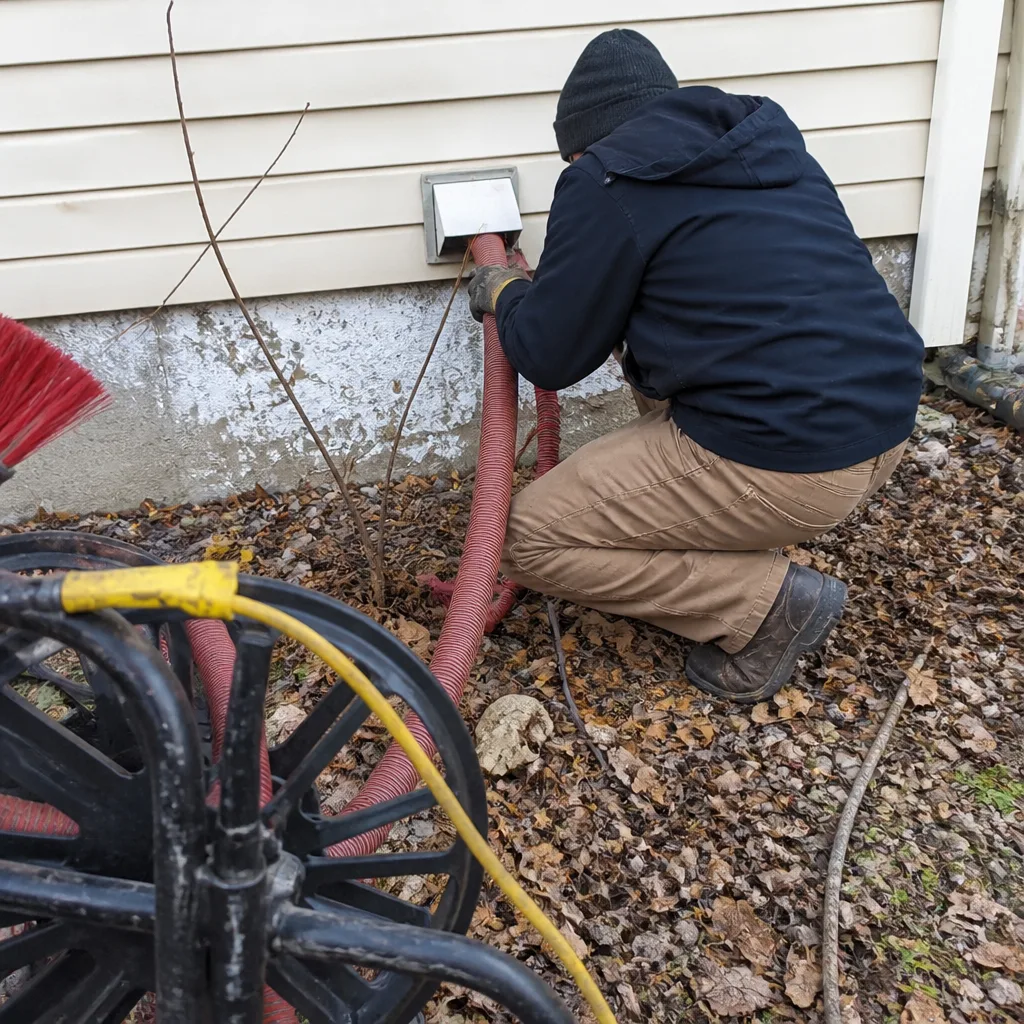 Before
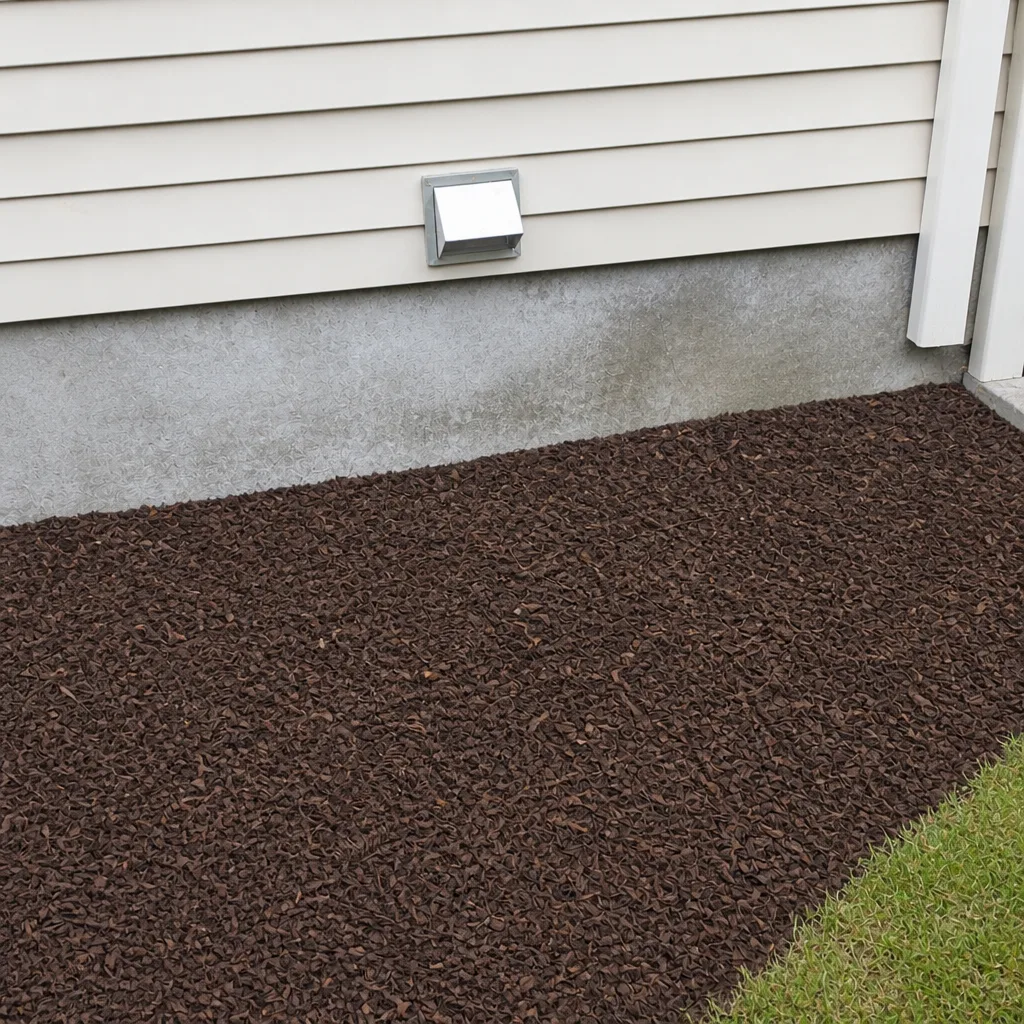 After
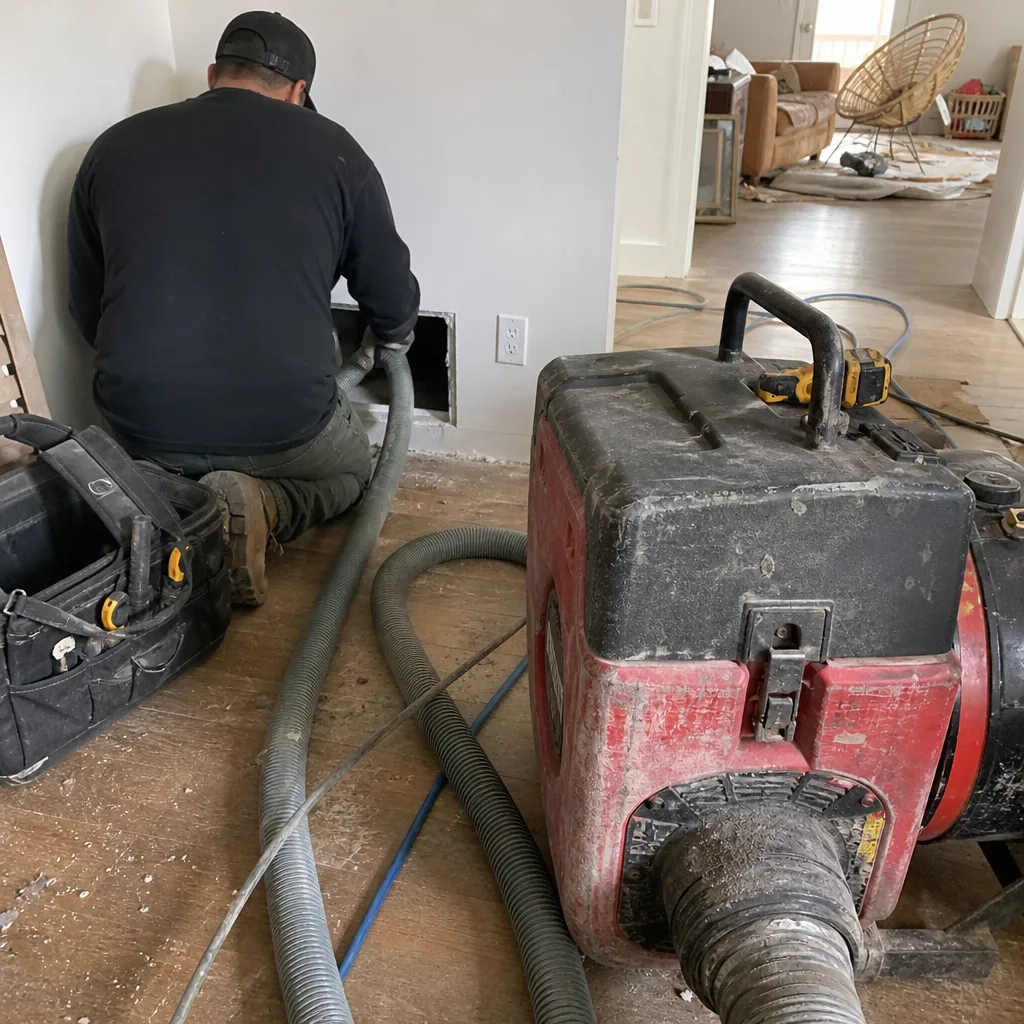 Before
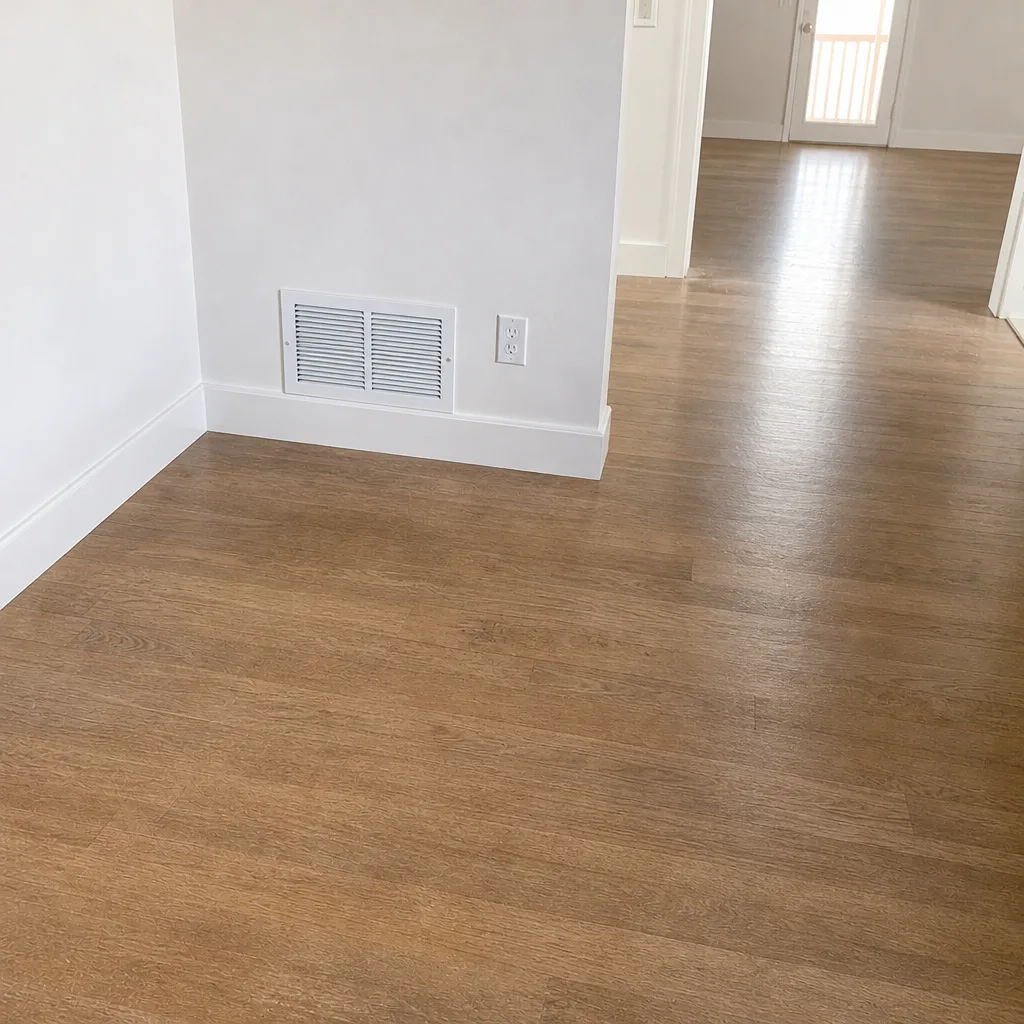 After
 Before
 After
When to Call a Professional
Duct cleaning isn’t urgent in the way a failed water heater is, and it’s less urgent than it’s often made to sound. But some situations do call for a professional assessment, and it’s worth knowing which ones. If anyone in your household has unexplained allergy or respiratory symptoms that intensify indoors, that’s a reason to get a professional system assessment. If you’ve recently finished a renovation, had a pest issue, or dealt with moisture or musty smells in the HVAC system, contamination has almost certainly entered the ducts and needs professional extraction. If you notice visible debris blowing from registers, or a persistent dust smell when the HVAC runs, that’s a system-level issue. And if your dryer takes more than one cycle to dry clothes, the dryer vent needs a professional cleaning before it becomes a fire risk. For those situations, a professional assessment is the sensible first call.
Salt Lake City Air Duct Cleaning Pros offers free estimates in Salt Lake City. Call (866) 937-7589. Our technicians have up to 11 years of experience, and we use professional-grade equipment: Rotobrush rotary-brush extraction, Nikro HEPA-rated vacuum, and Abatement Technologies air scrubbing on the job. We also supply and integrate Honeywell and Aprilaire indoor air quality products when a system assessment points to a root cause that cleaning alone won’t fix. We answer 24/7. Fast dispatch from 7am to 7pm, Sunday through Friday; we’re closed Saturday.
Frequently Asked Questions
Whole-system air duct cleaning in Salt Lake City typically ranges from about $350 to $700 for a standard home, and more for larger or more complex systems. The exact number depends on square footage, number of registers, duct material, and whether dryer vent cleaning or sanitizing is included. Per-register pricing you see advertised is not the same thing as a system price, and a quote that sounds substantially below the range is usually a surface-only clean. Call (866) 937-7589 for an exact quote. Estimates are free.
Cheap duct cleaning quotes are usually cheap because the job is cheaper to do: no negative-pressure vacuum, no HEPA filtration, no rotary brush system, and no pre-job inspection. A quick pass with a shop vac over each register takes a fraction of the time, which is why it costs a fraction of the price. What you’re not getting is a clean system, which is what you hired a duct cleaner for. The written scope and equipment questions in this guide will protect you from the bait-and-switch. Call (866) 937-7589 and we’ll walk you through what a proper job includes.
No. Utah does not license duct cleaning businesses and does not require NADCA membership or any other certification to operate. NADCA certification is voluntary, and it’s a useful signal when a contractor holds it, because it reflects a commitment to method and training that the state doesn’t enforce. But it’s not a guarantee of a quality job on any specific day. The strongest vetting is a combination of NADCA alignment, named professional equipment, a documented walkthrough, and a written scope you can hold the contractor to.
Ask for before-and-after photos at each access point, plus a written summary of what was cleaned. A professional contractor will have taken the before photos at the walkthrough, so the after photos are verifiable. You can also walk the system afterward: check the resealed access points, check the air handler for visible debris, run the system to confirm airflow and no dust smell, and check the dryer vent termination if it was in scope. If the contractor didn’t take before photos, you have no proof. Call (866) 937-7589 to book a job with documentation built in.
Most Salt Lake City homes don’t need duct cleaning on a fixed schedule. The honest answer is: after a renovation, after a pest issue, after moisture intrusion, when visible debris is blowing from registers, or when allergy symptoms intensify indoors. For homes with pets or a lot of foot traffic, a professional assessment every few years is reasonable. A contractor pushing an annual plan before they’ve even inspected your system is selling a subscription, not a service.
Not every duct cleaning contractor can, and it’s worth asking before you book. A single-service duct cleaner often can’t handle dryer vent cleaning or HVAC cleaning, which means a second call and a second contractor for a system that should be handled as one job. Ask whether the same crew can do all three on the same visit. Salt Lake City Air Duct Cleaning Pros handles cleaning, dryer vent cleaning, HVAC cleaning, duct repair and sealing, and sanitizing on a single job.
The Bottom Line
Utah’s license-free duct cleaning market means your vetting is the quality filter, so treat it that way. Ask the five technical questions, name the equipment, demand the walkthrough, and get the scope in writing. A professional contractor will welcome all four; a bait-and-switch operator will push back on at least one. NADCA alignment is a useful starting signal, and it isn’t a guarantee. The accountability is yours to build, and the tools to build it are all in this guide: equipment questions, pre-job documentation, written scope, and post-clean verification. Salt Lake City has plenty of legitimate options. With the right questions, you’ll find them, and you’ll know when you do.
Written by the team at Salt Lake City Air Duct Cleaning Pros.