
Last updated November 24, 2026
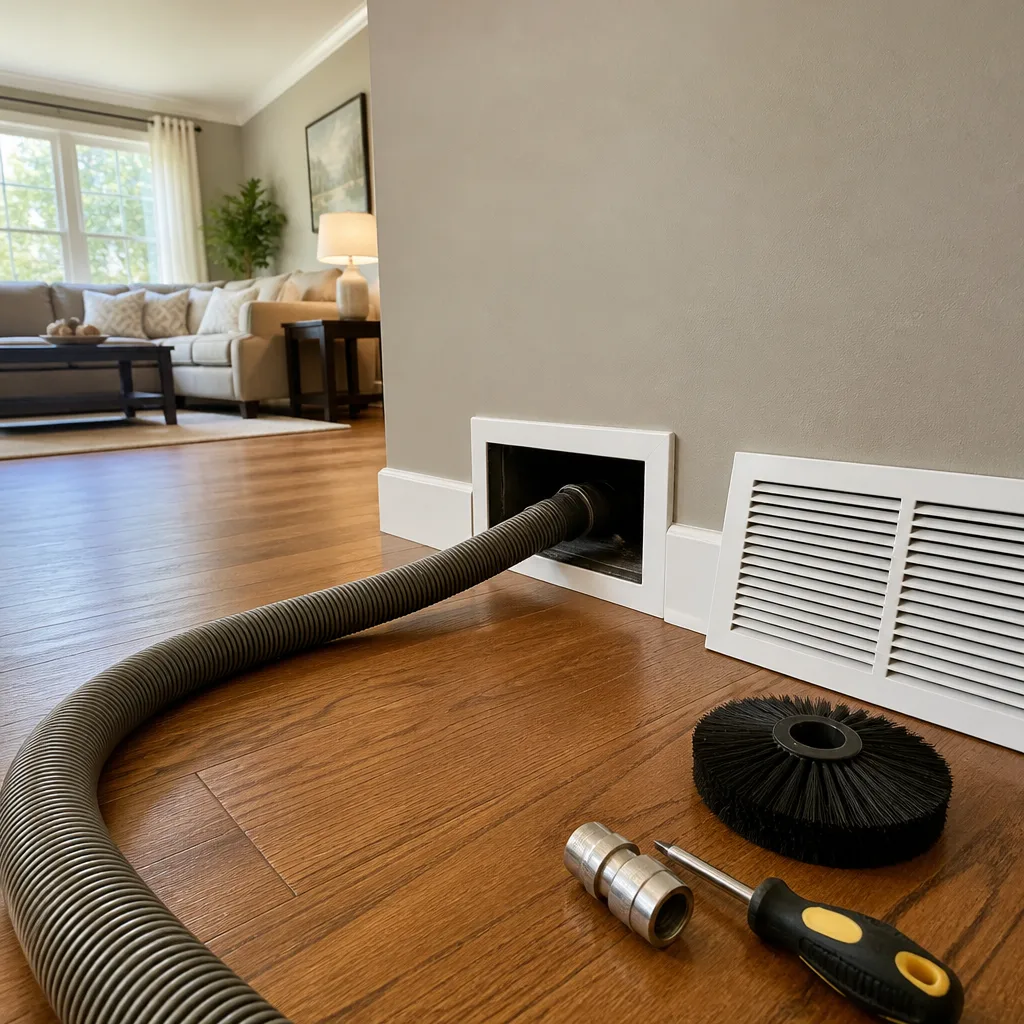 Whole-home duct cleaning
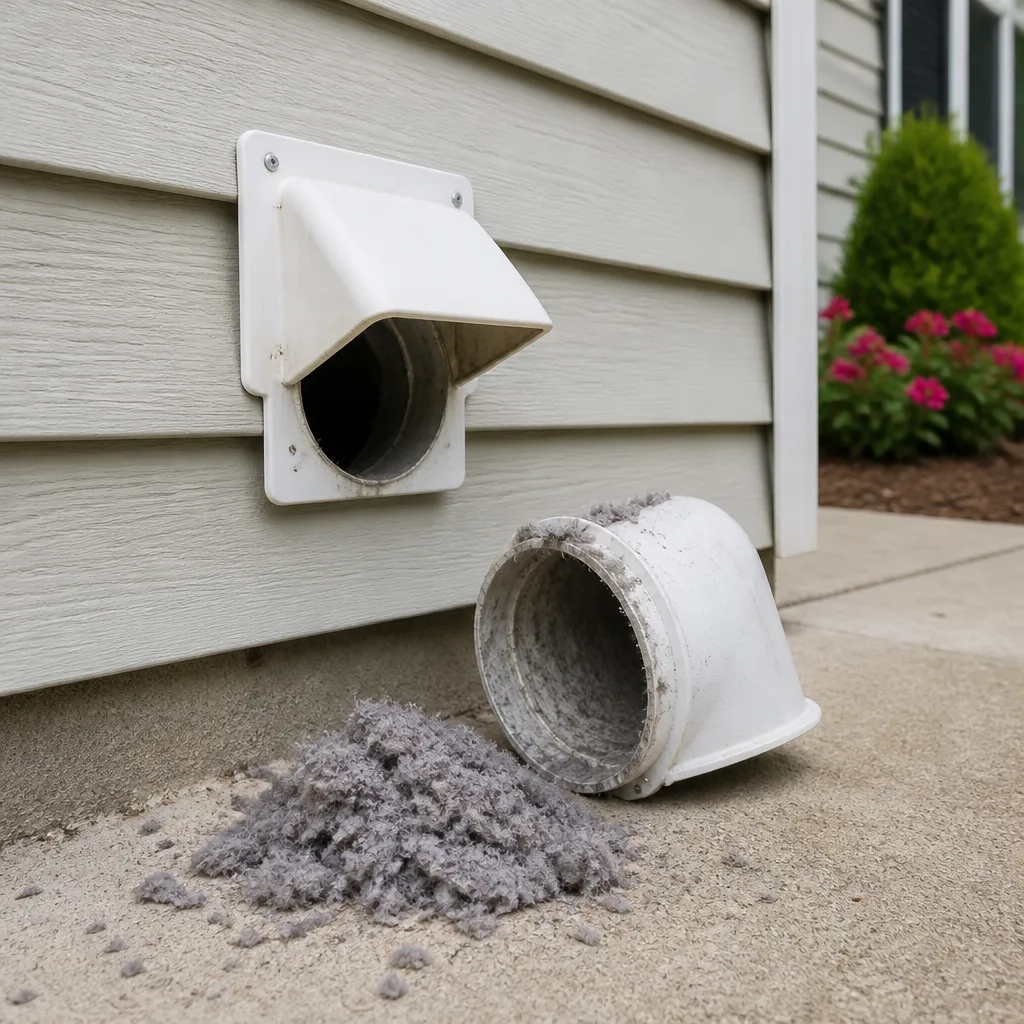 Dryer vent cleaning
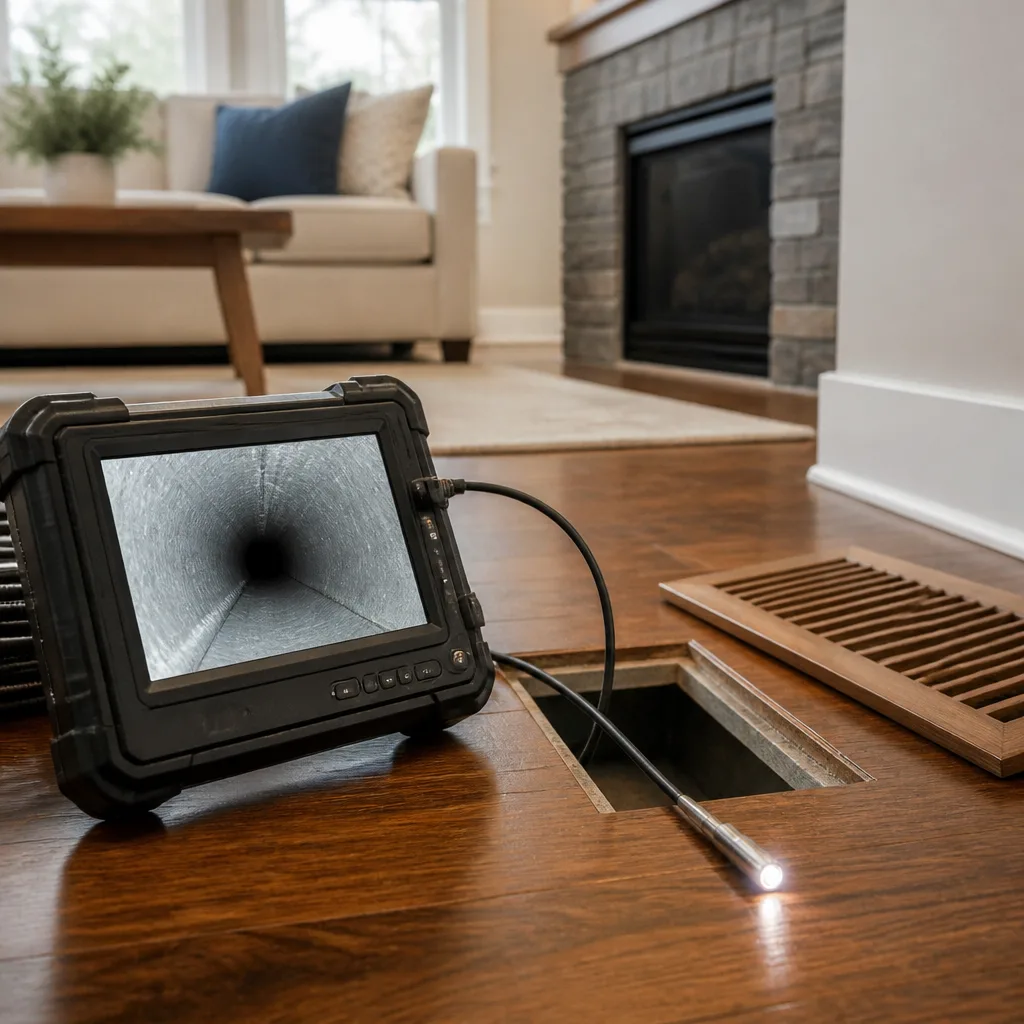 Camera inspection
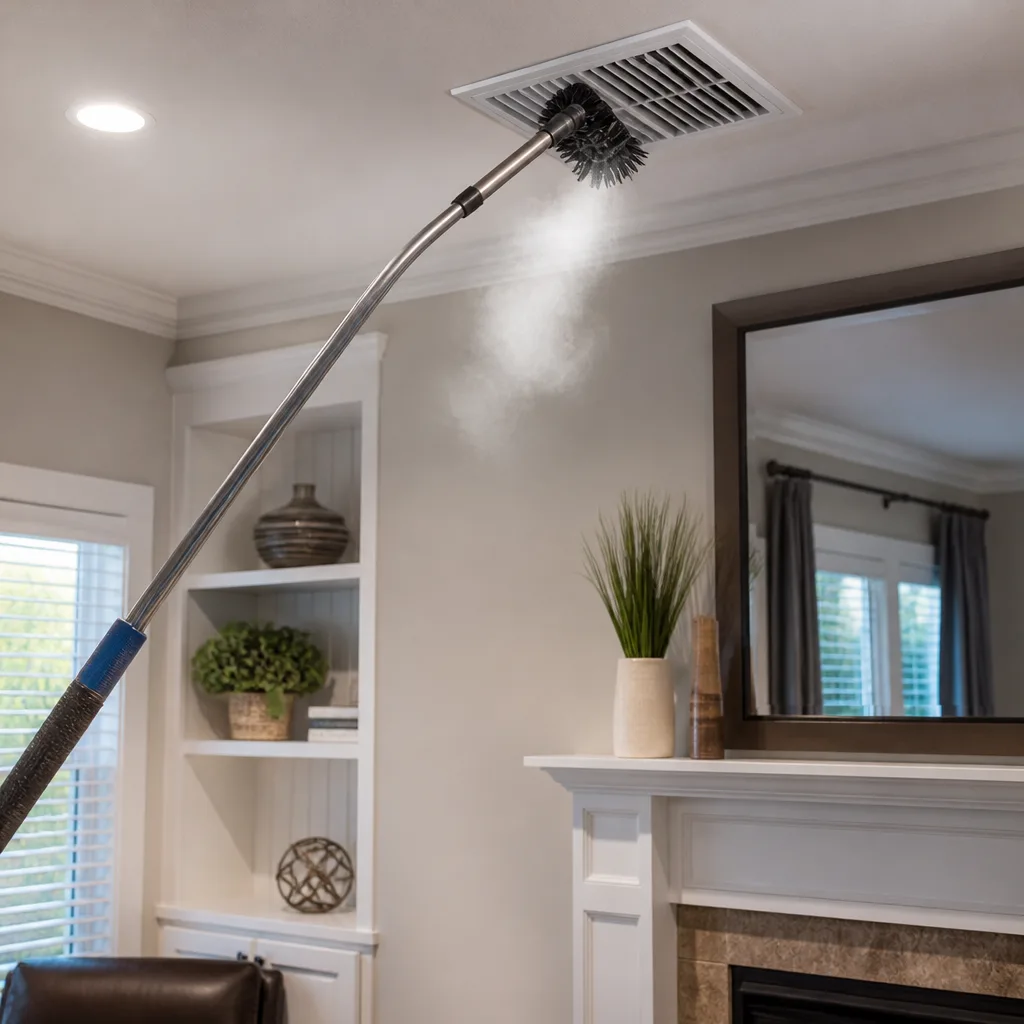 Sanitizing & deodorizing
Whole-system duct and dryer vent check with before-and-after photos - you see exactly what came out of your vents
That "$99 whole-house special" is a bait ad - the real number appears once they are in your hallway, or the "clean" is a shop-vac at the register. We photograph the inside of your ducts before and after instead.
Air Duct Cleaning Maintenance Schedule: What to Do and When
Ask ten different sources how often air ducts should be cleaned and you’ll get ten variations on “every three to five years.” That number gets repeated because it’s easy, not because it’s right. The federal guidance most people cite was written decades ago, before MERV-13 filters were common in homes and before Salt Lake City winters started stacking up the kind of inversion days that push outdoor PM2.5 into unhealthy territory for weeks. A schedule built on a single calendar interval ignores the things that actually determine how fast your ducts load up: pets, renovation dust, filter grade, how tight the house is, and whether you’re breathing valley air through an open window every spring. This guide replaces that generic rule with a decision framework you can actually use, plus the homeowner tasks that keep things clean between professional visits.
Quick Answer
Most Salt Lake City homes should have ducts professionally cleaned every 3 to 5 years, but that window shrinks to as little as 1 to 2 years if you have multiple pets, have done recent renovation work, run low-MERV filters, or live through repeated winter inversion cycles with windows and doors open in summer. Between cleanings, change filters every 1 to 3 months based on filter grade, vacuum supply grilles monthly, and check the condensate drain pan at every filter change. Let particle data from an IAQ monitor and visible dust patterns set your actual date, not the calendar.
Styles & brands we work with
- Whole-home duct cleaning
- Dryer vent cleaning
- Camera inspection
- Sanitizing & deodorizing
Table of Contents
- A Maintenance Framework Built on Real Inputs, Not Industry Averages
- The Five Risk Multipliers That Shorten Your Interval
- How to Pick Your Cleaning Interval: A Step-by-Step Decision Path
- The Homeowner Tasks Between Professional Cleanings
- Using an IAQ Monitor to Trigger a Cleaning on Data
- Where Duct Cleaning Fits in Your Annual HVAC Service Sequence
- How Salt Lake City Inversions and Wildfire Smoke Reset the Clock
- How to Verify the Work Was Actually Done
A Maintenance Framework Built on Real Inputs, Not Industry Averages
The three-to-five-year rule treats every house as if it were the same house. It isn’t. A 1950s bungalow in Sugar House with original galvanized ductwork, two shedding dogs, and a filter grille running a basic fiberglass pad is a completely different contamination environment from a 2015 build in Daybreak with sealed flex duct, no pets, and a MERV-13 filter changed on schedule. Treating both with the same interval shortchanges one and overspends the other.
What actually drives contamination is a short list of variables you can measure or at least observe:
- Particle load entering the system – set by filter grade, how often you change it, and how much outdoor air gets pulled in through return leaks.
- Particle generation inside the home – pets, cooking, candles, fireplaces, and renovation activity.
- Moisture – a damp evaporator coil or a clogged condensate pan creates the conditions for biological growth on duct surfaces, which changes the cleaning scope entirely.
- Duct integrity – gaps at joints and disconnected runs let attic and crawlspace air into the supply side. No amount of cleaning fixes that; it has to be sealed.
- Local air quality cycles – in Salt Lake City, the winter inversion and summer wildfire smoke both push outdoor particle counts high enough that more of it ends up inside, even with windows closed.
Build your schedule around those five and the calendar becomes a checkpoint rather than a rule. That’s the framework we use when we assess a system: air duct cleaning is scheduled based on what the system is actually carrying, then paired with repair or sealing if the ducts are leaking. Clean ducts are only half the solution if the envelope around them is open.
The Five Risk Multipliers That Shorten Your Interval
Each multiplier below moves your baseline interval down. Stack two or three and you’re looking at cleaning far more often than the generic rule suggests. This is where a Salt Lake City home usually lands.
1. Pets
One cat or dog roughly doubles the settled debris in return ducting, because dander and hair are light enough to stay airborne until they hit a filter or a duct wall. Two or more pets with double coats (huskies, shepherds, retrievers) push the interval toward the 2-year mark. If you see visible hair accumulation on the return grille within a week of vacumming, that’s a signal.
2. Recent renovation
Drywall dust is the single biggest short-term contaminant load a home will ever see. If you’ve finished a basement, remodeled a kitchen, or had flooring refinished in the last 18 months, schedule cleaning after the project ends. Not during. You want the dust to settle into the system and then be removed in one pass, not chased around mid-project.
3. HVAC filter MERV rating
A MERV-8 filter catches a fraction of what a MERV-13 does. Homes running basic fiberglass pads are effectively passing most fine particulate into the coil and ductwork, which shortens the cleaning interval by years. Stepping up to MERV-11 or MERV-13 (if your system’s blower can handle the pressure drop) dramatically reduces the load reaching the ducts and extends time between cleanings.
4. Home age and duct type
Older homes with unsealed galvanized trunk-and-branch systems leak at every joint, pulling attic or crawlspace air into the supply. That matters in Salt Lake City where attic temperatures swing from well below freezing in January to over 100°F in July. Leaky ducts move more airborne debris, and the fix isn’t just cleaning: it’s sealing.
5. Wildfire smoke and inversion exposure
During a heavy inversion winter or an active fire season, indoor particle counts climb even with windows shut. Homes that run recirculation or portable air cleaners during those periods load filters faster and pull more fine particulate into the return. If your neighborhood sat under a persistent inversion for most of a winter, add a year off the top of your interval.
How to Pick Your Cleaning Interval: A Step-by-Step Decision Path
Work through these steps in order. The first “yes” you hit sets your target interval.
- Is there visible dust streaking around the supply registers, or a dark ring around any grille? If yes, move forward to step 5 – schedule cleaning within 6 months.
- Have you had renovation work, pest activity, water intrusion, or a mold event in the last 18 months? If yes, schedule cleaning within 6 months and plan for sanitizing if there was moisture.
- Do you have two or more pets, or one heavy-shedding dog? If yes, your baseline interval is 2 years.
- Does your HVAC filter run below MERV-11, or do you change it less than every 3 months? If yes, subtract one year from your baseline.
- Have you lived through two or more heavy inversion winters or wildfire smoke seasons in this home? If yes, subtract one year.
- None of the above? Your baseline is 3 to 5 years, reassessed annually.
Run this once a year, ideally in early fall before heating season starts. That’s when a Salt Lake City system gets the most use and when a clean system matters most. Our technicians have up to 11 years of experience reading these patterns on systems across the valley, and the variables above are what we check first.
The Homeowner Tasks Between Professional Cleanings
The professional cleaning resets the clock. What keeps it running are a handful of homeowner tasks with clear intervals. Miss them and you’re paying for a cleaning every two years that would have lasted four.
- Filter changes: every 1 month for basic fiberglass, every 2-3 months for MERV-8 to MERV-11 pleated, every 3-4 months for MERV-13. In Salt Lake City during inversion or fire season, shorten by one month across the board.
- Grille vacuuming: vacuum every supply and return grille monthly with a brush attachment. It’s a two-minute task per grille and stops the visible dust line that signals a system that’s loading up.
- Condensate drain pan and line check: at every filter change, look at the pan under the air handler for standing water. A slow drain line clog creates the humidity that mold needs. If you see standing water or a slimy film, call for service before it turns into a duct sanitizing job.
- Return grille deep clean: twice a year, remove the return grille and vacuum the inside face with a crevice tool. This is where the bulk of coarse debris collects first.
- Blower compartment inspection: once a year, look through the access panel at the blower wheel. Visible dust cakes on the blades indicate the system is passing debris faster than it should.
None of these replace professional cleaning. They keep the system from loading up faster than it needs to.
Using an IAQ Monitor to Trigger a Cleaning on Data
Calendar-based scheduling has a blind spot: it can’t see what’s actually in your air. A residential IAQ monitor like the Awair Element or the IQAir AirVisual measures PM2.5, PM10, and often VOC and CO2 levels continuously. Used correctly, it turns cleaning from a guess into a decision based on evidence.
Here’s how to set the trigger:
- Place the monitor in your main living area, not in the basement and not next to a window. You want it reading the air you’re breathing every day.
- Log a two-week baseline. Note the average PM2.5 during low-activity hours. That’s your clean-home reference.
- Note spikes during cooking, vacuuming, and HVAC startup. A normal spike settles within an hour. A spike that stays elevated for hours, or a baseline that has crept up over successive months, points to the duct system.
- Compare the living-area reading with a reading taken at a supply register during HVAC operation. If the register reading is consistently higher than room air, the ducts are contributing particulate rather than removing it.
- When the living-area baseline has been trending up for two to three months with no change in habits, pets, or filters, schedule a cleaning assessment.
This is how we approach the IAQ side too: monitors tell you when to clean, and products like Honeywell and Aprilaire whole-home filtration or humidity control solve the problem at the source. The monitor is the sensor. The IAQ hardware is the fix.
Where Duct Cleaning Fits in Your Annual HVAC Service Sequence
Timing matters as much as frequency. Schedule duct cleaning at the wrong point in the annual HVAC service cycle and you undo your own work: a coil cleaning done right after a duct cleaning just gets re-dirtied by residual debris, and a filter swap done right before duct cleaning wastes a filter. Here’s the sequence that actually works.
- Start with a full system assessment. Coil condition, blower condition, duct integrity, and filter grade all get recorded before anything is touched.
- Repair and seal any duct leaks first. Sealing after cleaning means the debris you just removed doesn’t get pulled back in through the same gaps. Sealing is a named service for exactly this reason.
- Clean the evaporator coil and the air handler. HVAC cleaning comes before duct cleaning so that dislodged coil debris gets captured in the duct cleaning pass, not after.
- Clean the duct system. Rotary brush extraction plus HEPA vacuum. This is where Rotobrush and Nikro systems do the work: the rotary brush agitates debris throughout the run while the HEPA vacuum captures particles down to 0.3 microns at the source.
- Sanitize if the assessment called for it. Only when there was moisture, pest, or biological activity. Sanitizing without a moisture problem is unnecessary.
- Install fresh filters last. New MERV-13 pleated filters go in after all cleaning is complete.
- Clean the dryer vent in the same visit if it’s due. dryer vent cleaning is fire-safety work that most duct-only services skip. Bundling it into the same scheduled visit is the practical reason to have both done together.
That sequence is what “one call covers your ducts, dryer vent, and air quality” actually means in practice. The order is the difference between a clean system and a system that stays clean.
How Salt Lake City Inversions and Wildfire Smoke Reset the Clock
Salt Lake City has an air-quality pattern that most duct cleaning frequency guides never account for. Winter inversions trap cold air and pollution in the valley for days or weeks at a time, pushing PM2.5 well into unhealthy ranges. Summer wildfire seasons add smoke plumes that can blanket the valley for weeks. Both mean the same thing for your duct schedule: outdoor particle loads spike, indoor particle loads spike with them, and the calendar-only rule falls short.
Adjustments that match the local pattern:
- Add a yearly inspection after any winter that had an extended inversion. The visible dust load in supply registers will tell you whether to clean early.
- Step up filter grade to MERV-13 during active fire season, then consider whether the system can run MERV-13 year-round. Many modern systems can; some older blowers can’t handle the pressure drop.
- Seal the envelope before cleaning. A leaky return in an attic pulls valley air in directly. Sealing is often a bigger air-quality upgrade than cleaning alone.
- Add whole-home filtration or humidity control if particle data shows a persistent problem. Honeywell and Aprilaire media cabinets extend filter life and hold more particulate than 1-inch filters. That’s a real change in your cleaning interval, not a gimmick.
- Watch the seasonal calendar for the cleaning window. Late summer and early fall, before heating season starts, is the sweet spot for scheduling. You get the system clean before it runs hard for five months.
If your home has been through two heavy inversion winters since the last cleaning, treat that as a “subtract one year” event in the decision path above.
How to Verify the Work Was Actually Done
Duct cleaning has a reputation problem because the market is full of services that hook customers with a low teaser price and then inflate the invoice on site. The antidote is process transparency. Here’s what separates a cleaning that happened from one that was billed.
- Before-and-after photos of your own ducts. Not stock photos. Photos of the actual runs, taken at the same camera position.
- Visible equipment on the job. Rotobrush rotary brushes or equivalent, plus a HEPA-rated vacuum. Nikro systems capture particles down to 0.3 microns and are designed to keep what’s dislodged from recirculating into your living space; consumer shop vacs don’t.
- Containment during the job. Abatement Technologies air scrubbing is the standard. That’s remediation-grade equipment used in restoration work, and its presence signals the crew takes containment seriously.
- Access panel evidence. If a technician opened an access panel to clean a run, it should be visible when they’re done. Registers should be re-seated properly.
- A clear scope in writing before work starts. Cleaning, sealing, sanitizing, dryer vent – each scope should be listed and agreed in writing, not added mid-job.
If a quote sounds cheap, ask what’s included. Then ask how the crew verifies the work. The answers will tell you a lot.
Common Mistakes to Avoid
- Cleaning on a strict calendar. Three years for one house is five for another and eighteen months for a third. Use the decision path, not a fixed number.
- Skipping the coil and air handler. Duct cleaning without cleaning the evaporator coil does half the job. The coil is where the moisture and biological growth actually live. Schedule HVAC cleaning as part of the same visit.
- Cleaning ducts without sealing leaks. In Salt Lake City homes with attic ductwork, an unsealed supply joint pulls in attic air continuously. Cleaning alone doesn’t fix that. Duct repair and sealing have to happen first.
- Running cheap fiberglass filters to “save time.” A MERV-3 filter is passing most fine particulate into the system. What you save on filters comes back as a shorter cleaning interval.
- Ignoring inversion and fire season adjustments. Two winters of heavy inversion should move your cleaning date up a year. Skip that and you’re cleaning a system that’s already loaded up.
- Sanitizing without a moisture problem. Sanitizing has a role when there was pest activity, water intrusion, or visible growth. Without those triggers it’s an upsell.
- Accepting a low teaser price without knowing the scope. The coupon model works by pricing per vent or per opening and then finding more to bill. Get the whole-system scope in writing before work starts.
See the difference
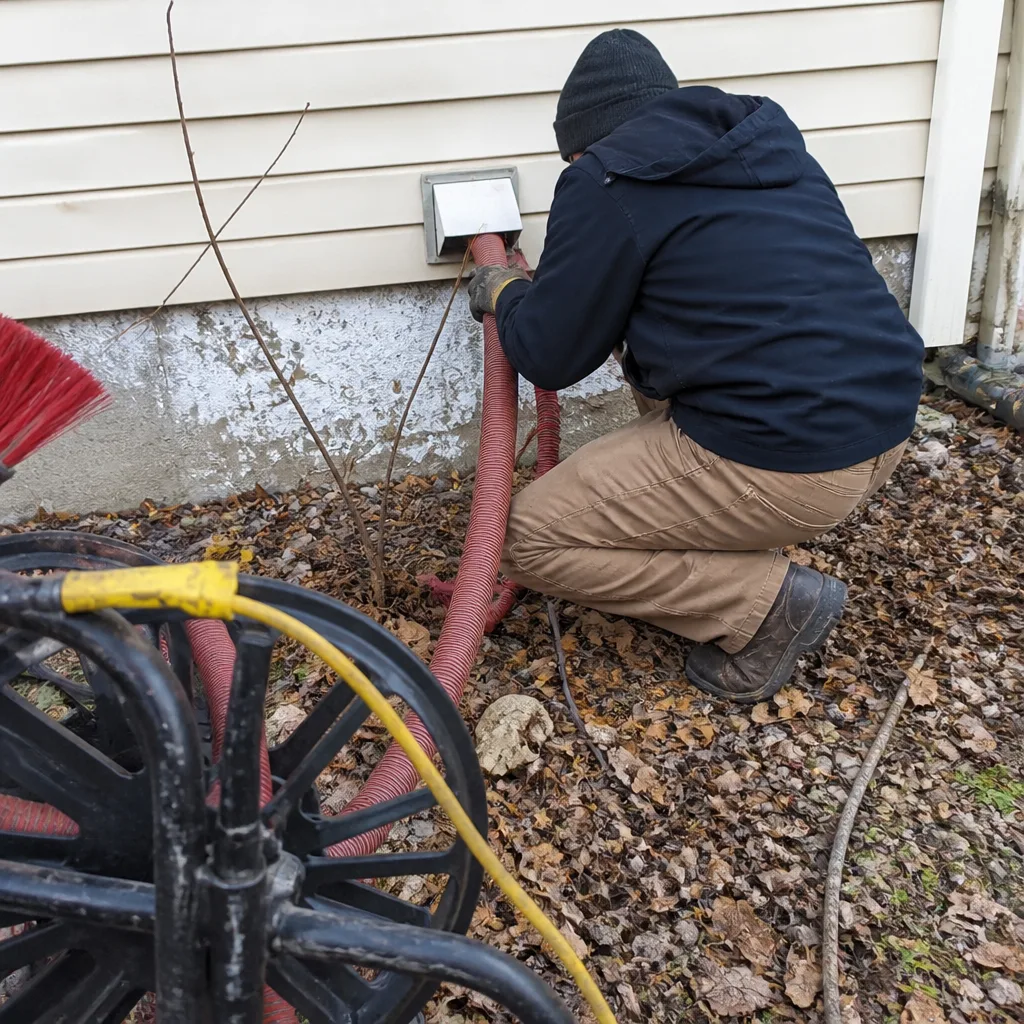 Before
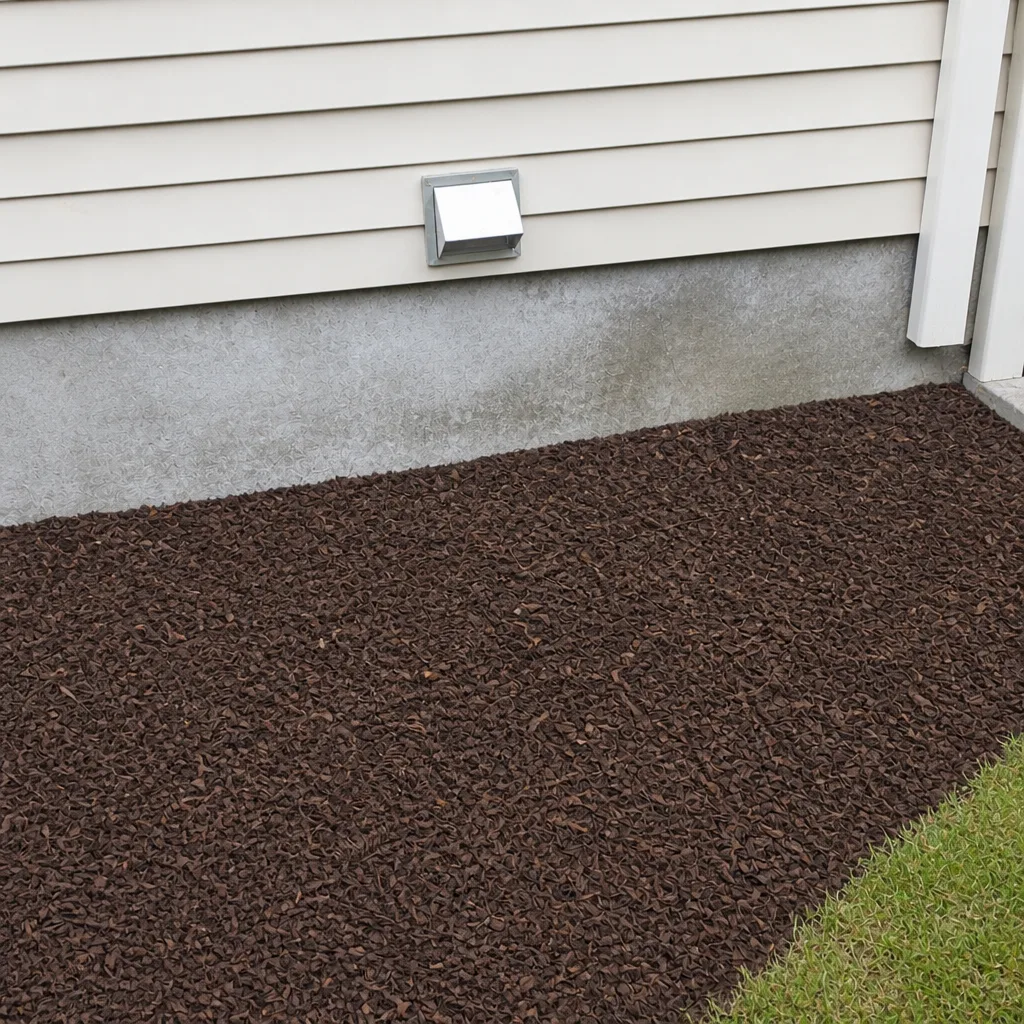 After
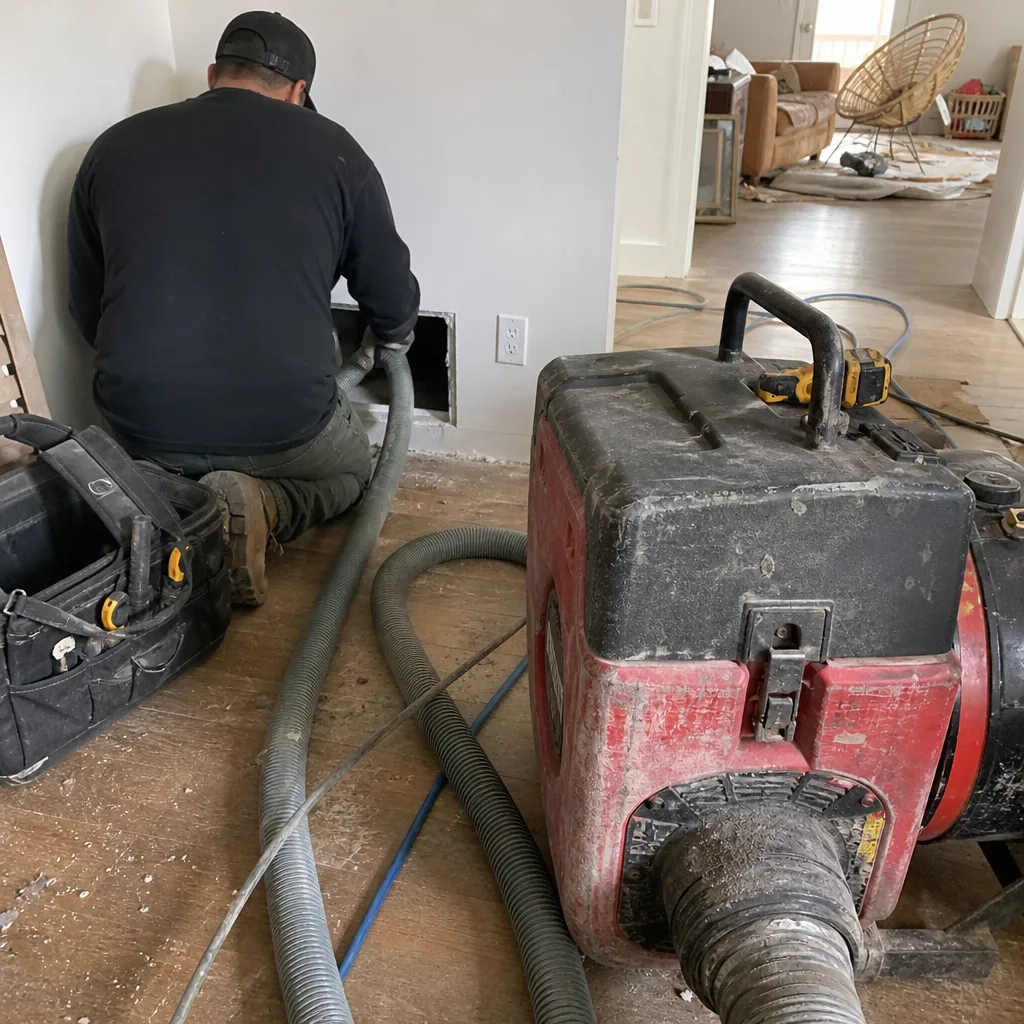 Before
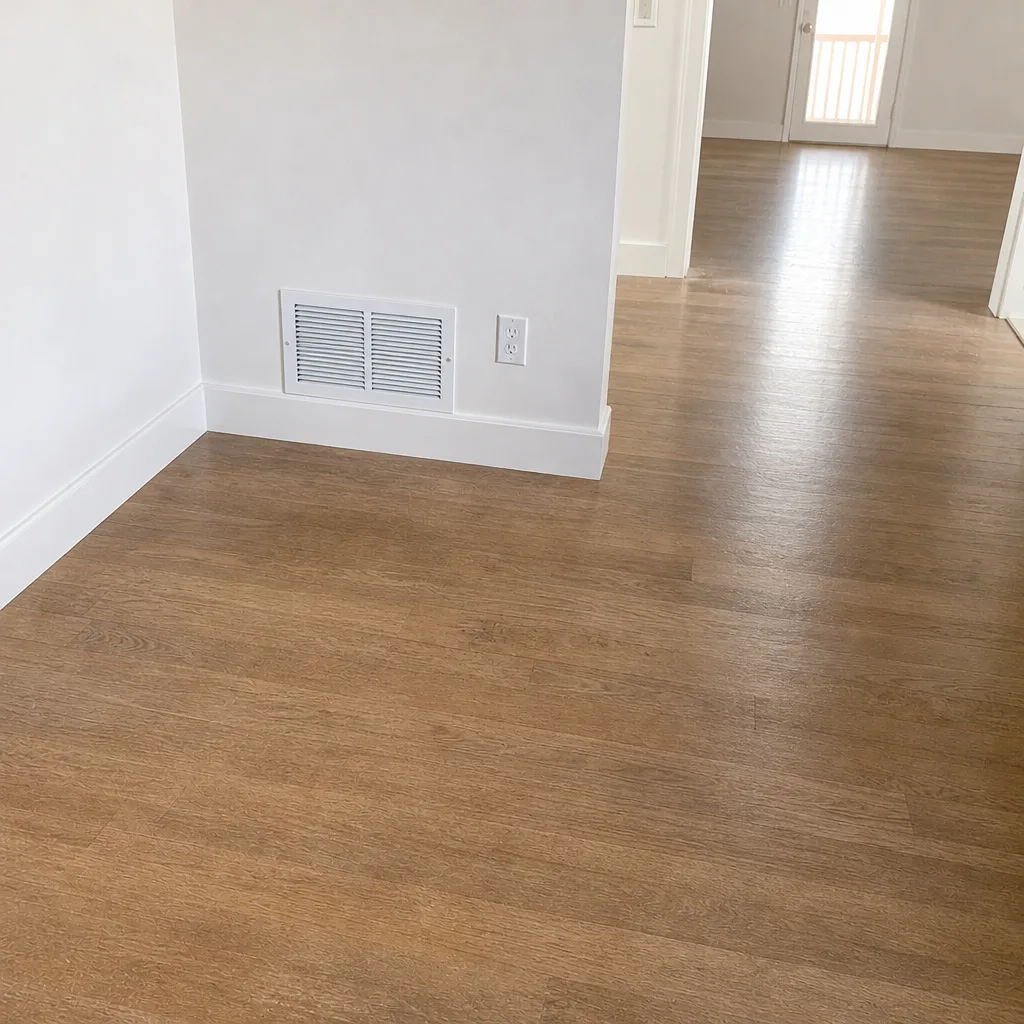 After
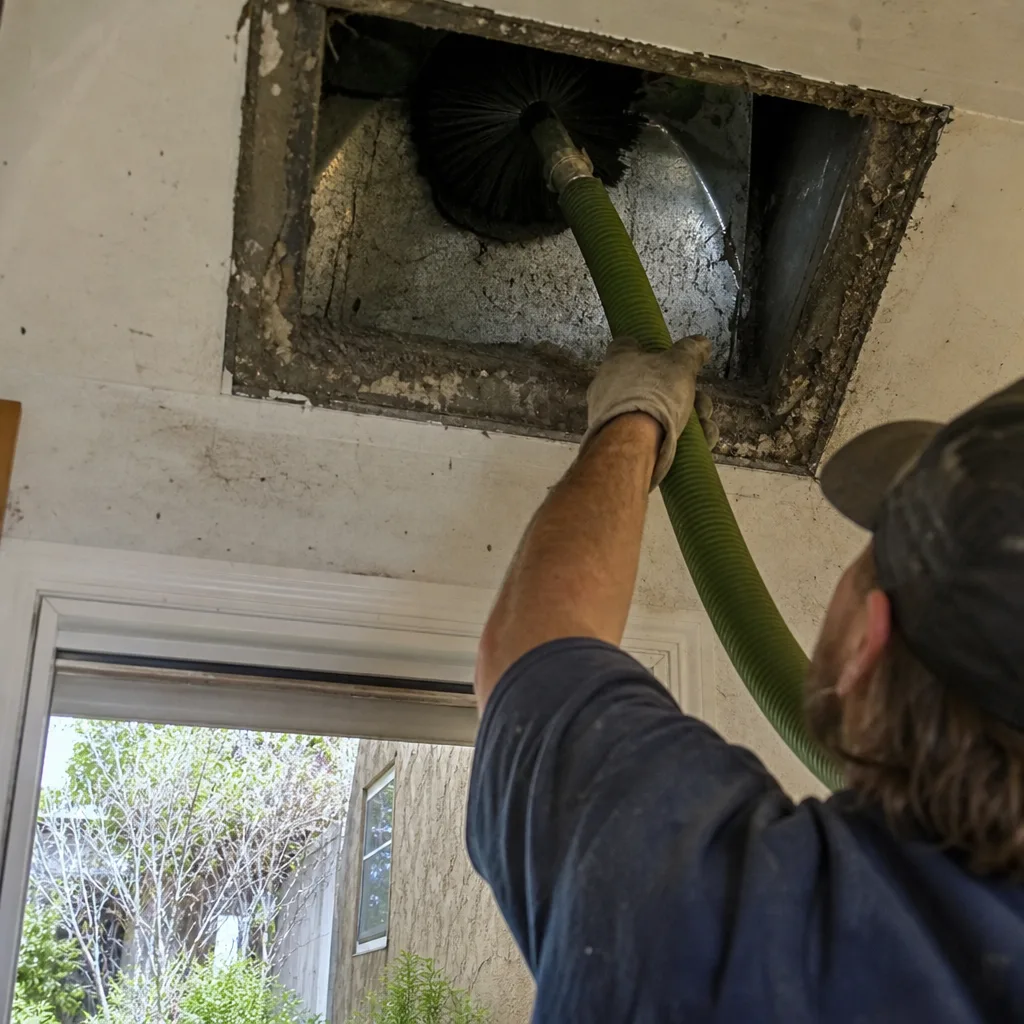 Before
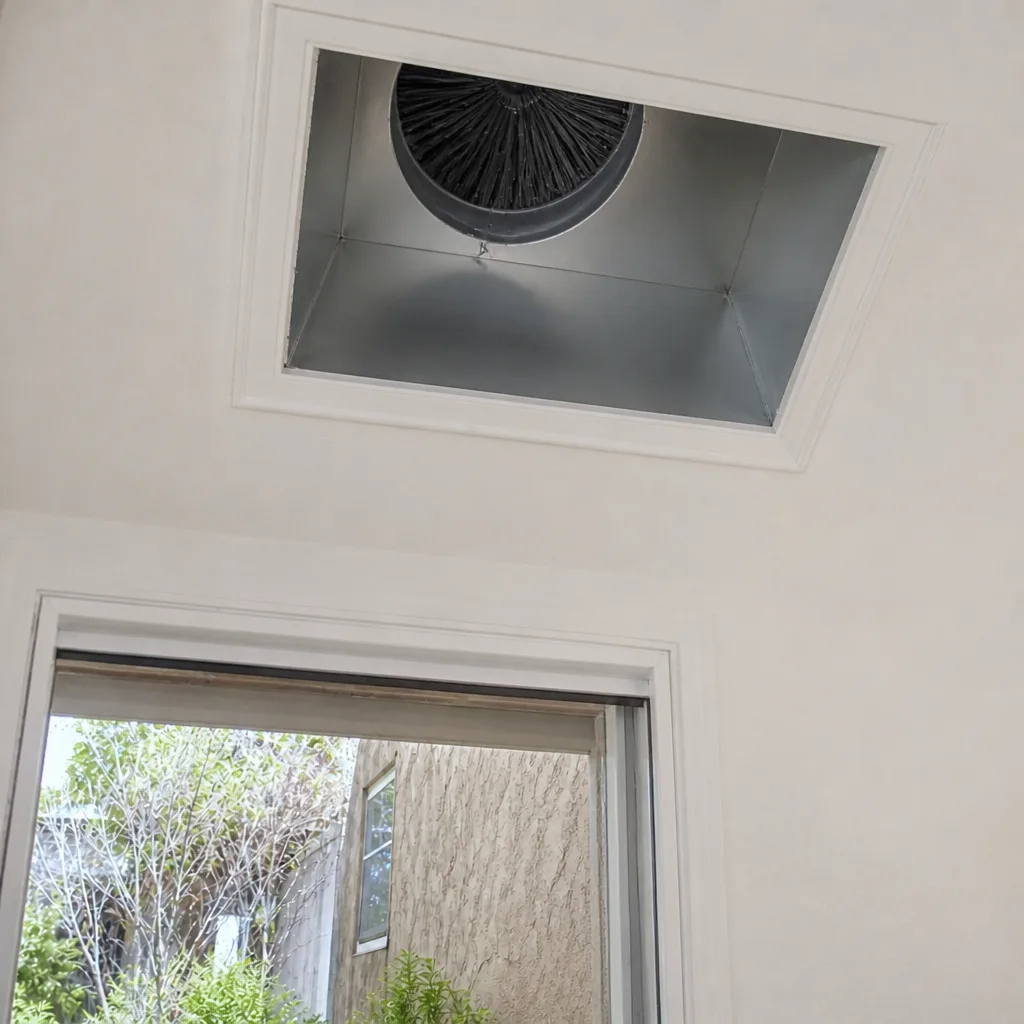 After
When to Call a Professional
There are specific triggers that mean it’s time to schedule an assessment, not just a cleaning. Visible dust streaking out of supply registers. A musty smell that returns within a week of any cleaning. Recent renovation, pest, or water-intrusion work. A dryer that takes longer than usual to dry clothes (a separate ventilation issue, but the trip is worth combining). A persistent rise in IAQ monitor PM2.5 baseline that filters haven’t corrected. And any home that’s gone beyond its computed interval using the decision path above.
Salt Lake City Air Duct Cleaning Pros offers free estimates in Salt Lake City – call (866) 937-7589. Written estimates set the price per system, contained in writing before work begins, so there are no surprises once the crew is on site. The local pro is licensed and insured as their state requires, and before-and-after photos of your ducts come with the job.
Frequently Asked Questions
Most Salt Lake City homes should have ducts cleaned every 3 to 5 years, shortened to 1 to 2 years if there are pets, recent renovation, low-MERV filters, or several heavy inversion winters since the last cleaning. The valley’s winter inversion and summer wildfire smoke both accelerate particle accumulation compared to the national average, so the generic “every 5 years” guidance doesn’t fit. Call (866) 937-7589 for a free estimate tailored to your system.
MERV-11 to MERV-13 is the practical target for most Salt Lake City homes, assuming the blower can handle the pressure drop. MERV-13 catches fine particulate from inversions and wildfire smoke that lower grades pass into the coil and ductwork. Older systems with restrictive returns may need to stay at MERV-11 to avoid restricting airflow. We check static pressure before recommending a grade. Call (866) 937-7589 for a free estimate.
Yes, duct cleaning after a remodel is almost always worth doing, because drywall dust and construction debris settle into the return system during the project. The right timing is after the project is finished, not during. Scheduling mid-project wastes the cleaning. If there was any moisture intrusion during the work, sanitizing should be part of the scope. Call (866) 937-7589 for a free estimate.
Ask for before-and-after photos of your own ducts, taken at the same camera position, plus visible evidence of the equipment on site. Rotobrush rotary brush systems and Nikro HEPA vacuums are the platform to look for. Abatement Technologies containment equipment is the standard for keeping dislodged debris from recirculating. A written scope agreed before work starts sets the expectation. Call (866) 937-7589 for a free estimate.
The honest answer is that per-system pricing depends on the number of runs, system age, duct condition, and whether sealing or sanitizing is needed. Any quote that gets firmed up before a technician has seen the system is a teaser. The written estimate sets the final price, agreed before work starts, with no per-vent pricing and no mid-job surprises. Call (866) 937-7589 for a free estimate.
Cheap quotes usually price per vent or per opening and grow once the technician is on site. The scope is thin, the equipment is often consumer-grade, and containment is skipped. The whole-system quote you can trust includes cleaning, assessment for sealing needs, and photo documentation of the work. Call (866) 937-7589 for a free estimate.
The Bottom Line
Stop scheduling duct cleaning on a fixed calendar. Your real interval depends on pets, renovation, filter grade, home age, duct sealing, and Salt Lake City’s inversion and wildfire patterns. Run the decision path once a year, keep the homeowner tasks on their intervals (filters every 1-3 months, grilles monthly, drain pan at each filter change), and use an IAQ monitor to catch a rising particle baseline before it becomes visible dust. When the time comes, sequence sealing first, coil cleaning next, duct cleaning, sanitizing if needed, and fresh filters last. Line up Salt Lake City air duct cleaning pros who show you the equipment on site and the photos of your own ducts when the job is done. Call (866) 937-7589 for a free estimate. We answer 24/7. Fast dispatch from 7am to 7pm, Sunday through Friday.
Written by the team at Salt Lake City Air Duct Cleaning Pros.