
Last updated November 24, 2026
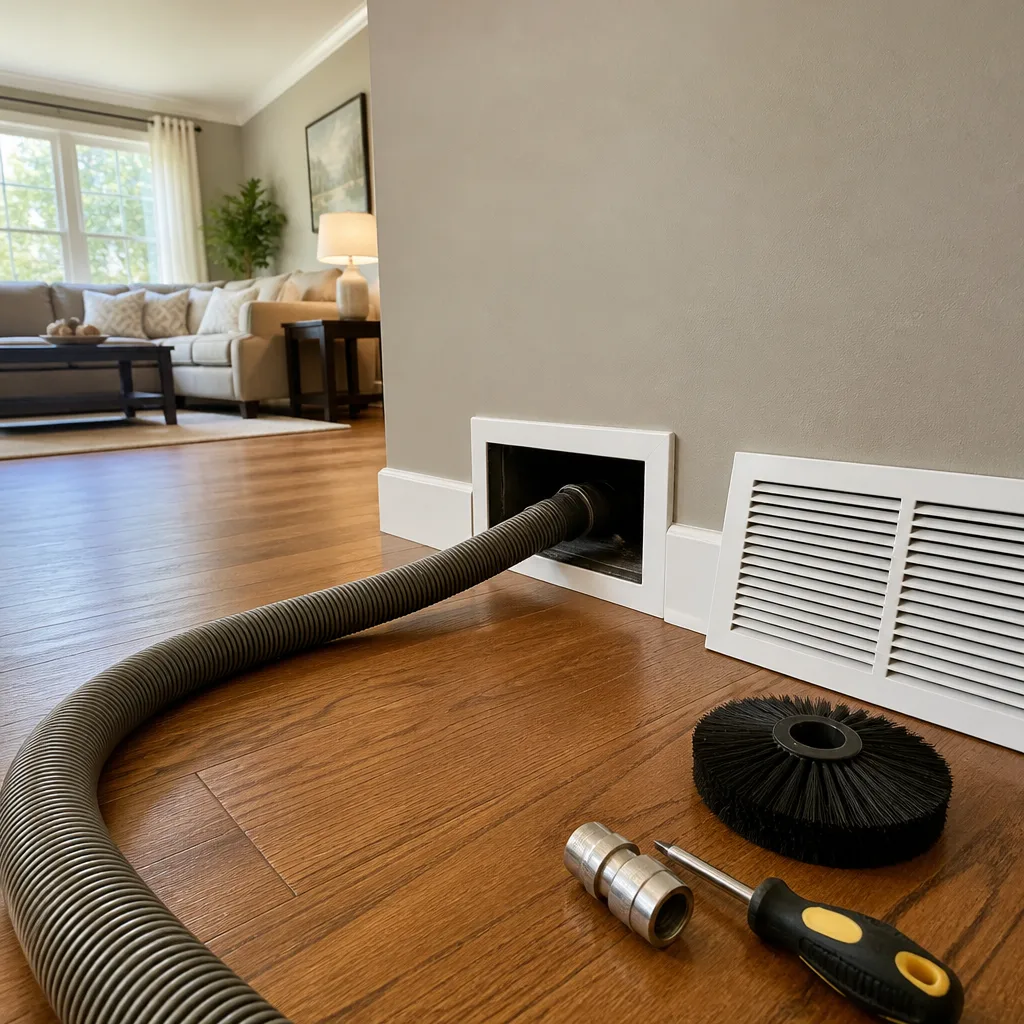 Whole-home duct cleaning
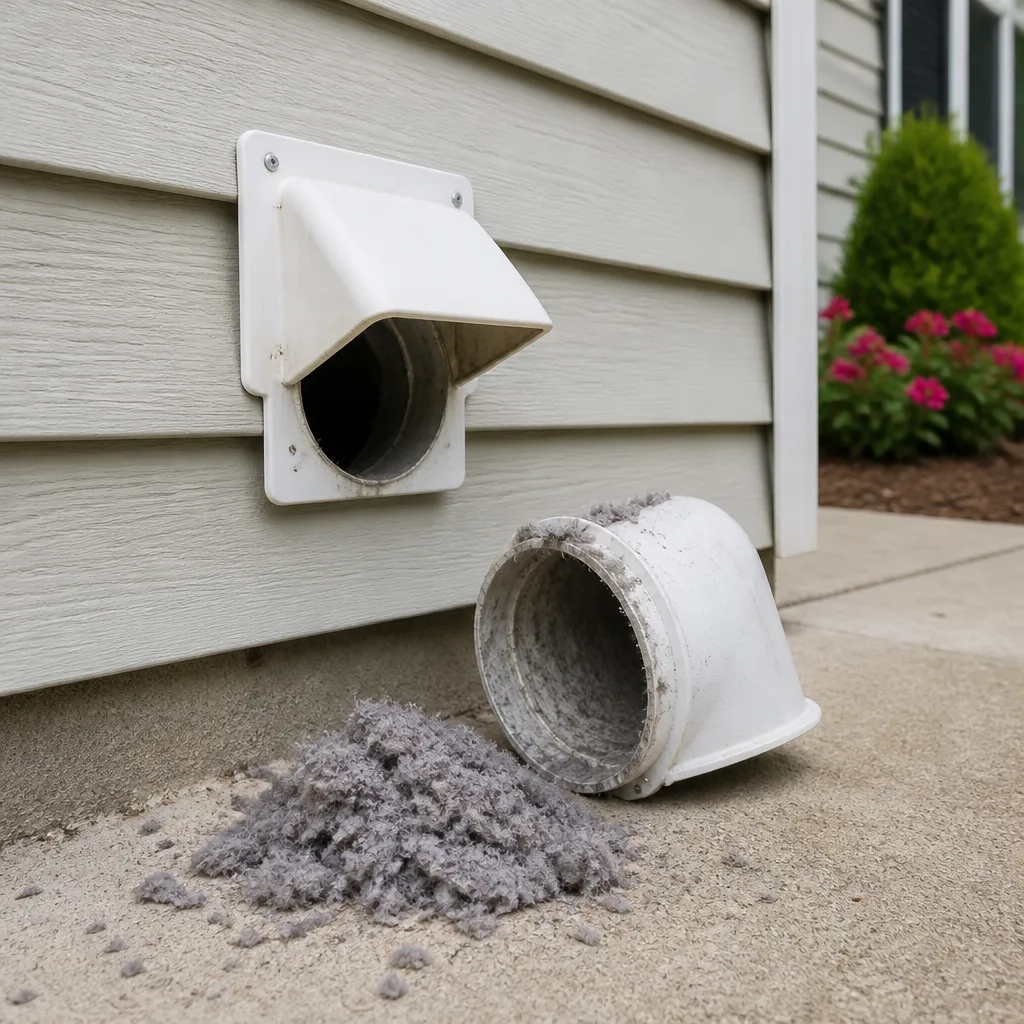 Dryer vent cleaning
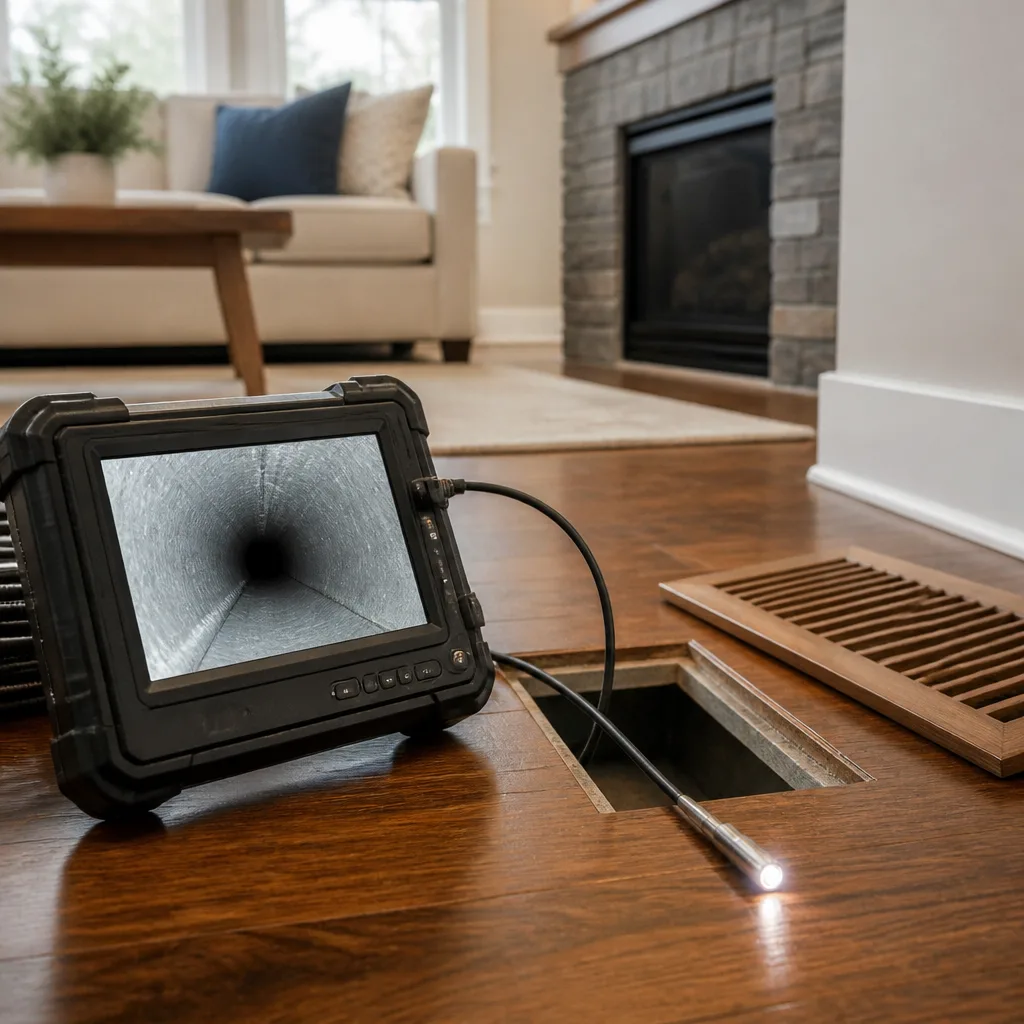 Camera inspection
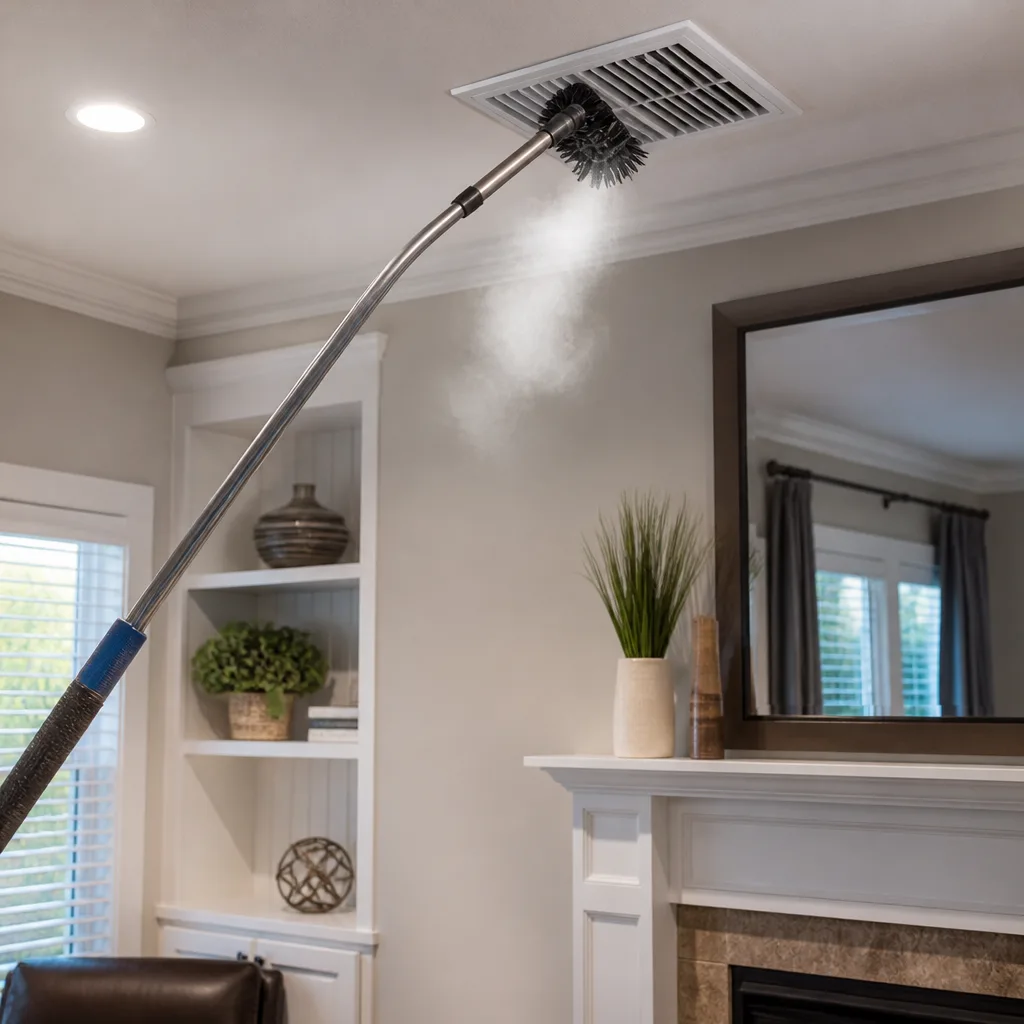 Sanitizing & deodorizing
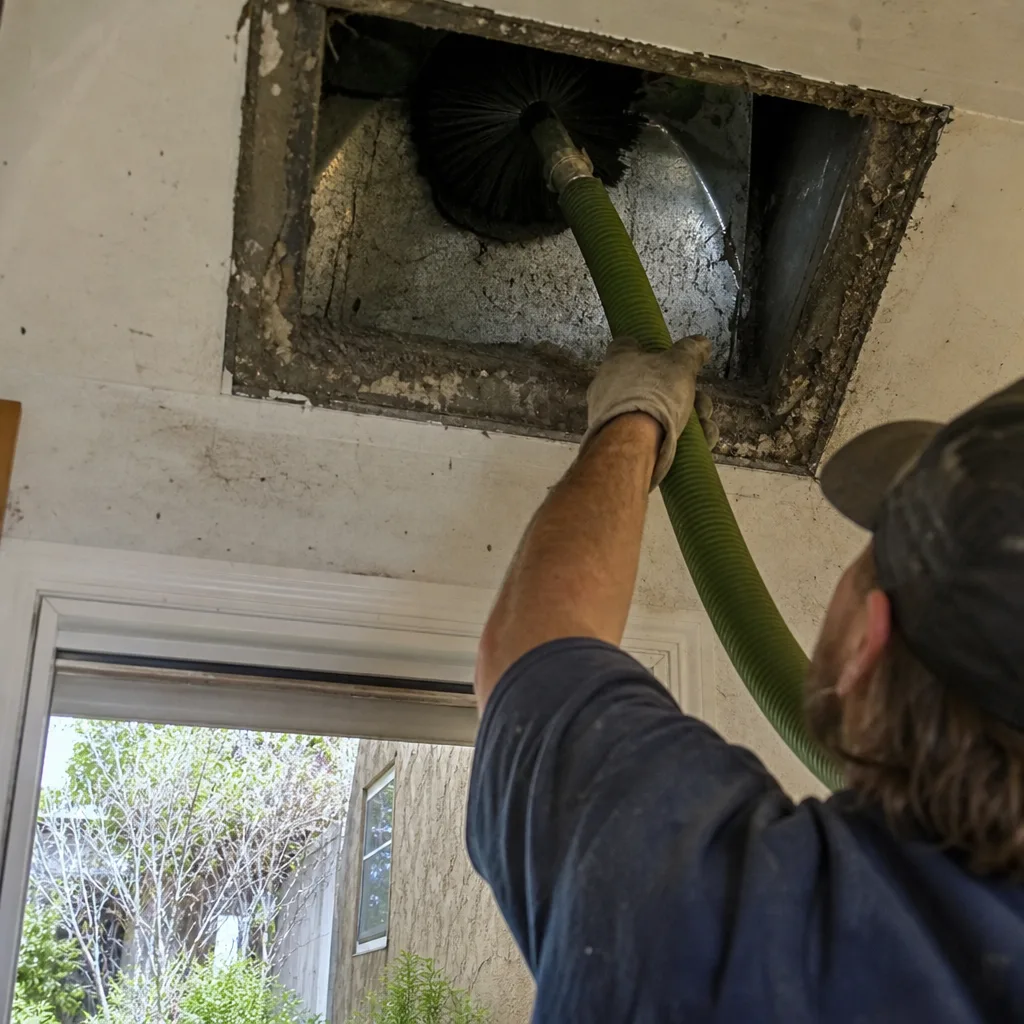
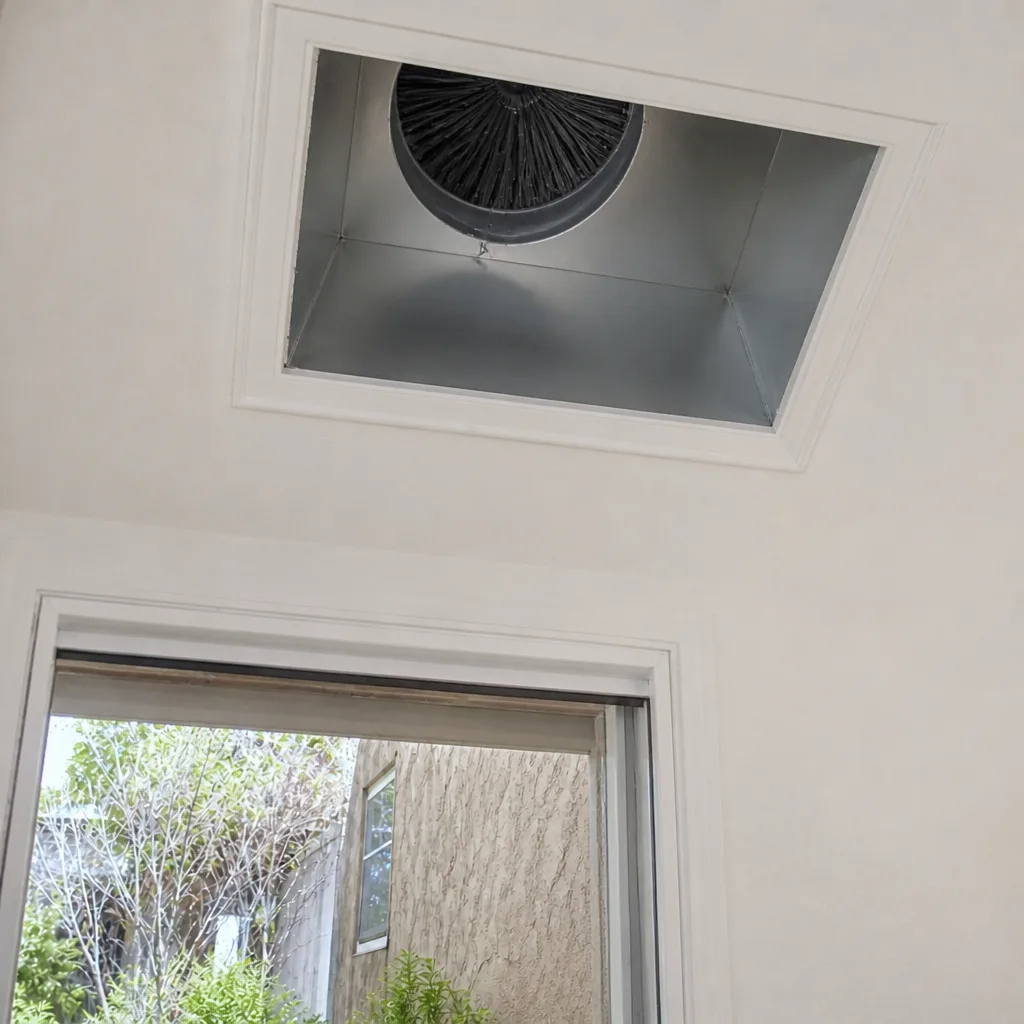
Whole-system duct and dryer vent check with before-and-after photos - you see exactly what came out of your vents
That "$99 whole-house special" is a bait ad - the real number appears once they are in your hallway, or the "clean" is a shop-vac at the register. We photograph the inside of your ducts before and after instead.
Choosing the Right Air Duct Cleaning Brand: A Buyer’s Guide for Salt Lake City
When a contractor says they use “professional equipment,” that phrase covers everything from a $200 shop-vac with a brush attachment to a truck-mounted negative-pressure system that costs more than most cars, and the results are not remotely comparable. The equipment brand names that matter in this trade are almost never discussed in consumer-facing content, which leaves most homeowners in Salt Lake City with no way to tell a real mechanical cleaning from a glorified vacuum pass. This guide fixes that gap. We’ll name the actual systems that define the professional tier, explain what each one does mechanically, and show you how to ask a contractor to prove which tier they’re actually operating in.
Quick Answer
The right air duct cleaning brand in Salt Lake City is the one that brings industry-grade equipment (Rotobrush rotary brush systems, Nikro HEPA extraction, negative-pressure vacuums) and can explain the mechanics of every step. Ask to see the equipment and the process before booking; a contractor who invests in professional systems will show you, and one running consumer-grade gear usually can’t.
Styles & brands we work with
- Whole-home duct cleaning
- Dryer vent cleaning
- Camera inspection
- Sanitizing & deodorizing
Table of Contents
- What equipment categories separate professional from commodity cleaning?
- Which brand names define the professional tier?
- What does EPA registration mean for duct sanitizing products?
- How does IAQ product integration work in Salt Lake City’s dry climate?
- Why is dryer vent cleaning a fire-safety category of its own?
- What questions should you ask a contractor before booking?
- How do you evaluate a bid without being an equipment expert?
- What does the Salt Lake City market look like for duct cleaning?
What equipment categories separate professional from commodity cleaning?
Every professional duct cleaning job runs on three equipment categories working together. Skip any one of them and the cleaning is partial, no matter how long the technician spends in your home. This is the first filter to apply when you’re comparing Salt Lake City companies.
1. Negative-pressure vacuum systems. These create a continuous pull of air through the duct run during cleaning, so dislodged debris travels toward the vacuum rather than drifting into living spaces. Consumer-grade vacuums don’t generate enough static pressure to hold that vacuum across a whole home, which is why cheap cleanings often leave visible dust on furniture lids afterward.
2. Agitation equipment. A vacuum by itself removes loose dust but won’t dislodge the bonded layer of debris that clings to duct walls. Rotary brush systems and compressed-air tools break that layer free so the vacuum can carry it away. This is where professional machines differ most from consumer tools.
3. Containment and air scrubbing. On jobs where debris load is heavy, restoring mold-damaged construction, or clearing post-renovation dust, containment equipment keeps air in the home from becoming the transport mechanism. Abatement Technologies air scrubbers are the reference standard here because they’re used in professional remediation work.
When all three categories operate on the same visit, you get a cleaning with a beginning, a middle and a verified end. When one or more is missing, you’re buying a surface pass and calling it complete.
What a full professional cleaning sequence looks like
- Inspection. The technician photographs duct interiors and maps the system’s layout and condition.
- Containment setup. Registers are sealed and the negative-pressure vacuum is connected at the main trunk.
- Mechanical agitation. A rotary brush system runs the length of each branch and trunk while the vacuum draws debris out.
- Compressed-air detail. Air tools reach corners and transitions the brush can’t pass.
- Sanitizing where appropriate. Only applied after mechanical removal is complete and only with products rated for occupied residential use.
- Verification and photos. The technician documents what changed, especially at high-load sections.
Which brand names define the professional tier?
If you’re researching the best air duct cleaning company in Salt Lake City, the brand names to listen for are Rotobrush, Nikro, and Abatement Technologies. Each one signals a specific capability, and each one costs the contractor real money to own and maintain, which is exactly why the names matter.
Rotobrush is the rotary brush platform used by contractors working to professional standards across the country. The system drives a spinning brush through the full duct run while a vacuum pulls loosened material back. Our technicians run Rotobrush systems because they remove bonded dust, not just surface film, and the mechanical action is measurable in the photos taken before and after.
Nikro is the HEPA extraction side of the equation. Nikro vacuum systems capture particles down to 0.3 microns, which prevents the debris you dislodged from recirculating back into the home. That capture rating is the difference between a cleaning and a dust redistribution exercise. It’s especially relevant in Salt Lake City’s older homes, where decades of settled debris live in the return trunks.
Abatement Technologies brings remediation-grade air scrubbing to the job. The same company that manufacturers this equipment also supplies mold and contaminant abatement crews. Using it on a duct cleaning signals the contractor is treating containment as a technical requirement, not an afterthought.
You don’t need to memorize model numbers. You need to know which names represent the professional tier, and then ask whether those are the systems that will be on your job.
What does EPA registration mean for duct sanitizing products?
EPA registration means a product has been reviewed by the U.S. Environmental Protection Agency for its labeled use, including whether it can be applied safely in occupied residential spaces. It is not a marketing badge. It’s the baseline filter for whether a sanitizing product should be used in your home at all.
In this trade, sanitizing follows mechanical cleaning. There’s no point applying a product over a layer of bonded dust because the product never reaches the duct surface. Once the ducts are mechanically clean, an EPA-registered antimicrobial can address residual microbial load, especially where moisture has been introduced: humidifier overflow, a roof leak, or a bathroom vent that’s been pushing humid air through a metal trunk.
For occupied homes, professional-grade products such as Benefect and Sporicidin are appropriate because their labeled uses cover residential applications. Salt Lake City’s dry climate works in your favor here: mold growth in ducts is less common than in humid regions, but it does happen around dryer vents, leak sites and HVAC condensate pans. Sanitizing is a targeted step, not a routine upsell.
Ask the contractor which sanitizing product they use and, more importantly, how it’s labeled. If nobody can tell you what the product is or what its label says, that’s the answer.
How does IAQ product integration work in Salt Lake City’s dry climate?
IAQ product integration is where indoor air quality work separates from duct cleaning. In Salt Lake City’s dry, high-desert climate, low indoor humidity is a year-round problem, and wintertime heating pushes humidity lower still. Whole-home humidification is often the missing piece that no amount of duct cleaning can substitute for.
Professional contractors spec, supply and install in-duct products that address root causes. Three categories matter most:
- Whole-home humidification. Bypass and fan-powered humidifiers install on the supply plenum and deliver humidity through the duct system itself. Aprilaire is the name most specified because their units are built for the temperature swings and low humidity of dry climates. Our technicians are authorized to supply and install Aprilaire systems as part of the service scope.
- In-duct UV-C systems. UV-C lamps install inside the air handler or return plenum to keep the cooling coil clear of biological growth. They work on the coil surface, not the air stream, and they’re most useful where the coil has stayed damp.
- Electronic air cleaners. These capture fine particulates at the return side before they reach the HVAC equipment. Honeywell is the standard for a reason: their units are widely installed and supported. We’re authorized to supply and install Honeywell IAQ products as part of the service scope.
Integration is the operative word. A contractor who installs a humidifier without measuring your home’s humidity and airflow is selling a box, not a solution. Ask how the product was sized and what baseline measurements were taken.
Dry-air symptoms worth mentioning to your contractor
- Static shocks and easy static buildup through the winter.
- Wood floors and cabinetry developing seasonal gaps.
- Repeated nosebleeds, dry eyes or skin irritation through heating season.
- Musical instruments or wood furniture needing seasonal adjustment.
These symptoms aren’t a diagnosis. They’re conversation starters that tell a technically-minded contractor where to look first.
Why is dryer vent cleaning a fire-safety service of its own?
Dryer vent cleaning belongs in a separate category from duct cleaning because its risk profile is different. A clogged dryer vent creates a lint buildup that can combust when the dryer reaches operating temperature, and it’s one of the more preventable home hazards. Duct-only contractors typically skip it because it requires a different set of tools and a different safety protocol.
A proper dryer vent cleaning runs the full length of the vent, clears the termination flap at the exterior wall, and checks for crushed or disconnected sections along the run. Lint screens stop some of the lint but not the fine particles; those migrate past the screen and accumulate on the vent walls. Salt Lake City homes with long dryer runs (basement laundry with a vent terminating up and out) benefit most from an annual check.
Signs the vent needs a look:
- Drying times that have lengthened without a change in load size.
- The dryer’s exterior vent flap sticking closed or not moving much air.
- The top of the dryer feels hotter than usual after a cycle.
- Lint visible around the exterior termination point.
We handle dryer vent cleaning on the same visit as duct work so the safety check happens alongside the system cleaning, not months later.
What questions should you ask a contractor before booking?
The single most useful thing you can do during a quote call is ask the contractor to describe or show the specific equipment they’ll bring. What you’re listening for is specificity. A contractor operating at the professional tier will name their systems and explain the role each one plays. A contractor running commodity equipment usually can’t, and that gap in the conversation is your answer.
Here are the questions worth asking, and what a good answer sounds like:
- “What agitation equipment do you use?” A good answer names a rotary brush system and explains why it matters. If the answer is “a brush,” push for the system and drive mechanism.
- “What’s the HEPA capture rating on your vacuum?” You’re looking for a rated micron capture (0.3 microns is the professional standard). “It’s a really strong vacuum” is not an answer.
- “How do you contain debris while cleaning?” The answer should include negative pressure and register sealing. Listen for whether they use the word “containment.”
- “Which sanitizing product do you use, and is it EPA-registered for occupied homes?” The contractor should know the product name and its label use.
- “Can you show me before-and-after photos from my own ducts?” Every reputable operator has a camera-based process. Photos of your system, not stock photos, are the standard.
- “Do you handle IAQ products, or just cleaning?” If humidification, UV-C or electronic air cleaning is on your mind, you want a contractor who integrates these as part of the scope.
- “Do you fix duct problems or just clean them?” Duct repair and sealing is a distinct service. A cleaning crew that only cleans leaves leaks and gaps for later.
Any one of these questions on its own is answerable by anyone. Ask all seven in sequence and the pattern becomes obvious.
How do you evaluate a bid without being an equipment expert?
You don’t need to know the difference between two rotary brush models to evaluate a bid. You need to notice which questions the bidder answers concretely, and which ones get deflected with language about coupons, “top-rated” service or “state-of-the-art” systems. That deflection is usually the tell.
Here’s a practical evaluation approach:
- Rule out any bid built around a teaser price. A coupon figure that expands once work begins is a commodity model. Honest bids are priced on the actual system: its size, its condition and the scope agreed before work starts.
- Confirm the process, not just the price. A quote should describe inspection, containment, agitation, extraction and verification. Any step missing means the cleaning won’t complete.
- Ask who actually performs the work. The equipment tier should match the crew. If the quote describes Rotobrush systems but the person on the phone can’t describe how they run, keep looking.
- Ask about repair and sealing. Clean ducts are only half the solution if the duct system has gaps and leaks. A bid that offers repair and sealing as a named service tells you the contractor sees the whole system.
- Look for evidence you can inspect. Photos of your ducts before and after are the check the homeowner is entitled to see. Ask for them in the quote conversation, not afterward.
Our approach on air duct cleaning is one flat price per system agreed before work starts, before-and-after photos of your own ducts, and no per-vent pricing games. That structure isn’t marketing; it’s the natural way to quote when the equipment and process are set.
What does the Salt Lake City market look like for duct cleaning?
Salt Lake City’s duct cleaning market has two very different tiers running side by side. One is the coupon-driven model: a low advertised price, a crew with consumer-grade vacuums, and an invoice that grows once the technician is inside the home. The other is the contractor model: professional equipment, a described process, and a price that reflects the actual work. Knowing which tier you’re comparing is the most useful analysis available.
Salt Lake City also has local context worth factoring in. The valley’s dry air means indoor humidity is a real issue and humidification is often the missing piece in an air quality plan. Older homes, especially those built before the 1980s, typically have longer duct runs with more documented dust load and occasional leak or gap issues at transitions. Renovation traffic across the city has introduced drywall dust into plenty of duct systems, and that contamination needs mechanical removal, not a vacuum pass.
You can serve your home well by learning the equipment names and asking the questions above. That’s a lower bar to clear than evaluating the actual cleaning work, but it’s the bar that filters most of the market.
Common Mistakes to Avoid
- Booking off a coupon without asking about equipment. A teaser price is a lead-generation tool, not a quote. Ask what systems will show up before you commit.
- Accepting “professional equipment” as an answer. That phrase describes a $200 shop-vac and a truck-mounted negative-pressure system equally. Push for brand names and process.
- Skipping the repair and sealing conversation. Clean ducts in a leaky system still lose efficiency. Ask whether the contractor addresses leaks and gaps, not just surface debris.
- Treating sanitizing as a standalone purchase. Sanitizing without mechanical cleaning doesn’t reach the duct surface. Confirm the sequence before you pay for it.
- Ignoring the dryer vent. A duct-only company will leave the dryer vent alone. Ask if it’s on the service list, because it’s a fire-safety line item, not a rebate opportunity.
- Believing before-and-after photos are optional. Photos of your own system are the check on whether the work was actually done. Ask for them in the quote.
- Assuming all crews are the same tier. Rotobrush and Nikro systems require training and investment; the crews using them are measurably different from crews running consumer hardware.
When to Call a Professional
Some duct work is worth scheduling on a routine basis. Some deserves a call sooner. Consider booking a professional visit if:
- You’ve just finished a renovation and drywall or sawdust dust has been pulled into the returns.
- You’ve had pest activity in the attic or crawl space, or a moisture event like a roof leak or basement flooding.
- You’ve noticed visible dust settling on horizontal surfaces faster than usual, especially near return registers.
- Your household has allergy or asthma symptoms that seem tied to time spent at home.
- You can’t remember the last time the dryer vent was cleared.
- You’re comparing humidification, UV-C or electronic air cleaning options and want the duct system checked first.
Salt Lake City Air Duct Cleaning Pros offers free estimates in Salt Lake City. Reach out if you’d like a walkthrough of what a whole-system cleaning involves for your home.
See the difference
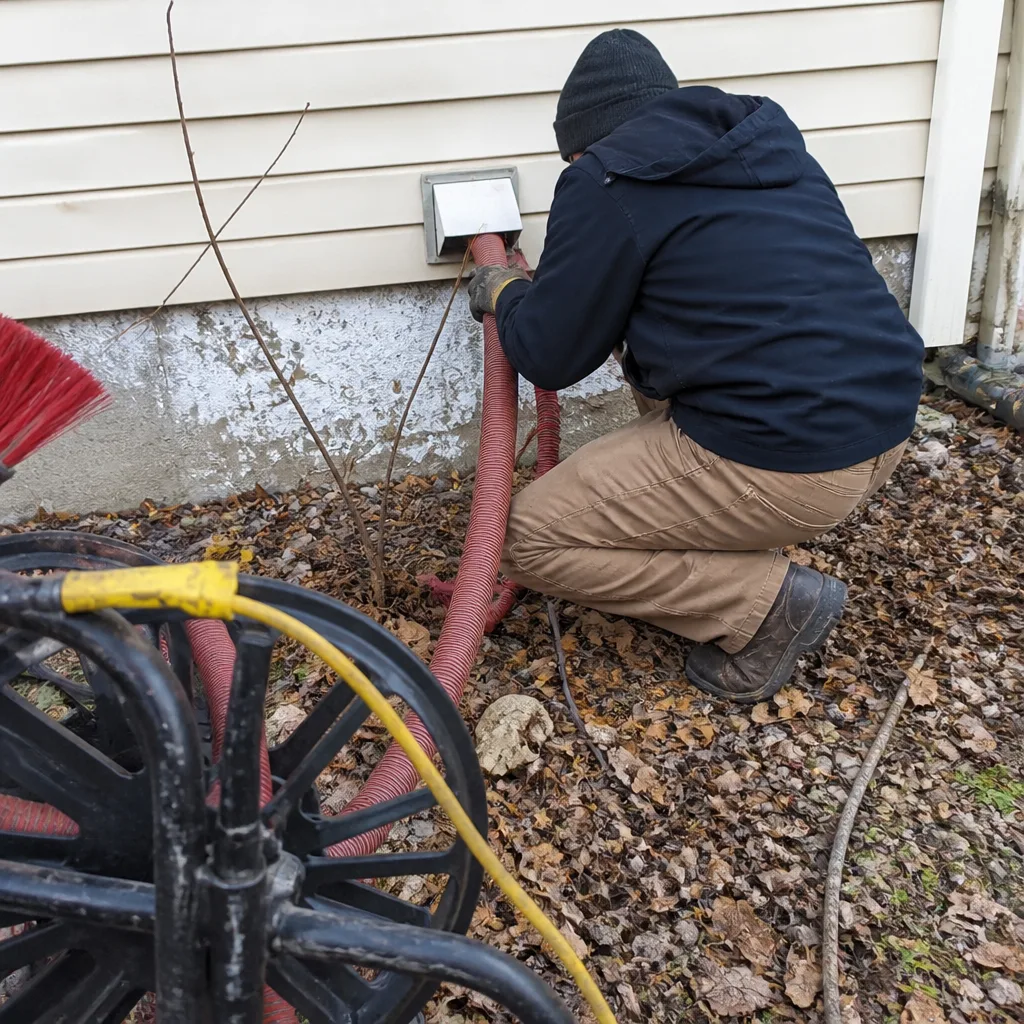 Before
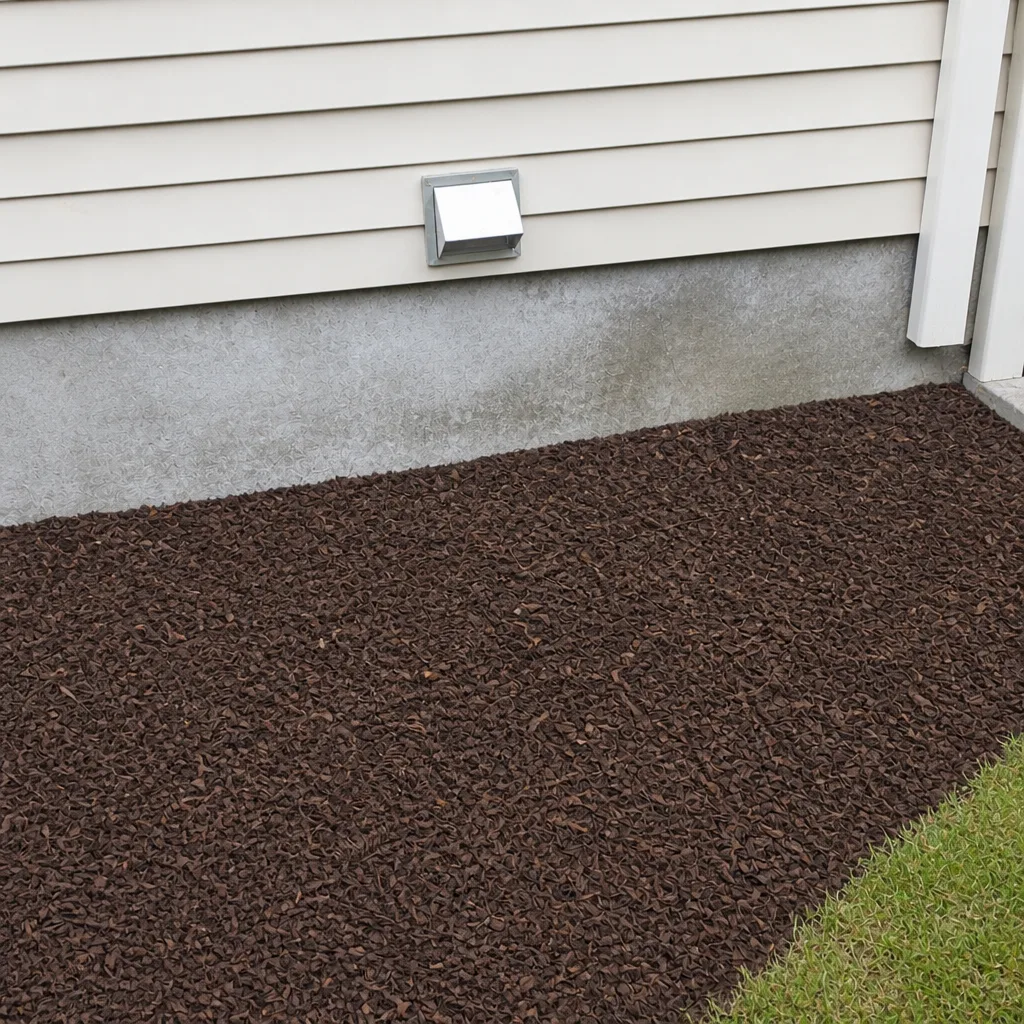 After
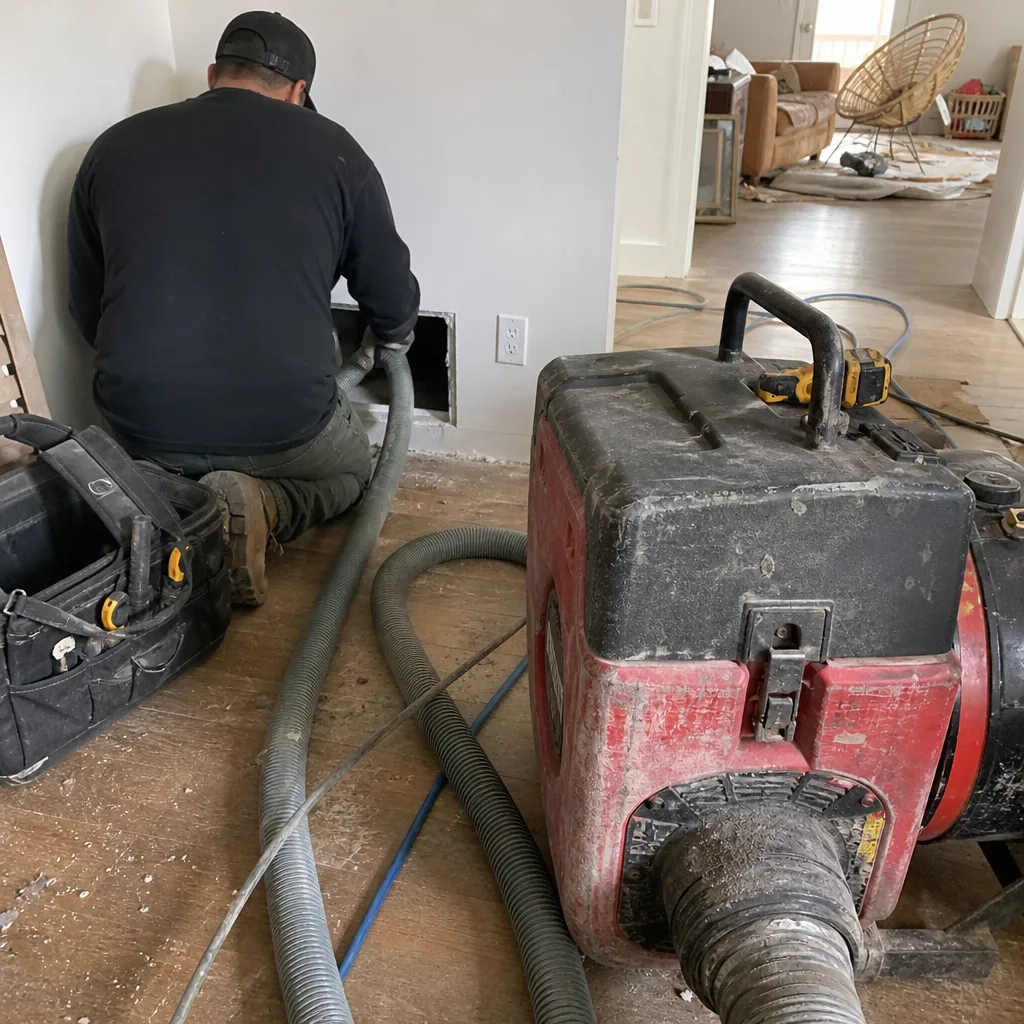 Before
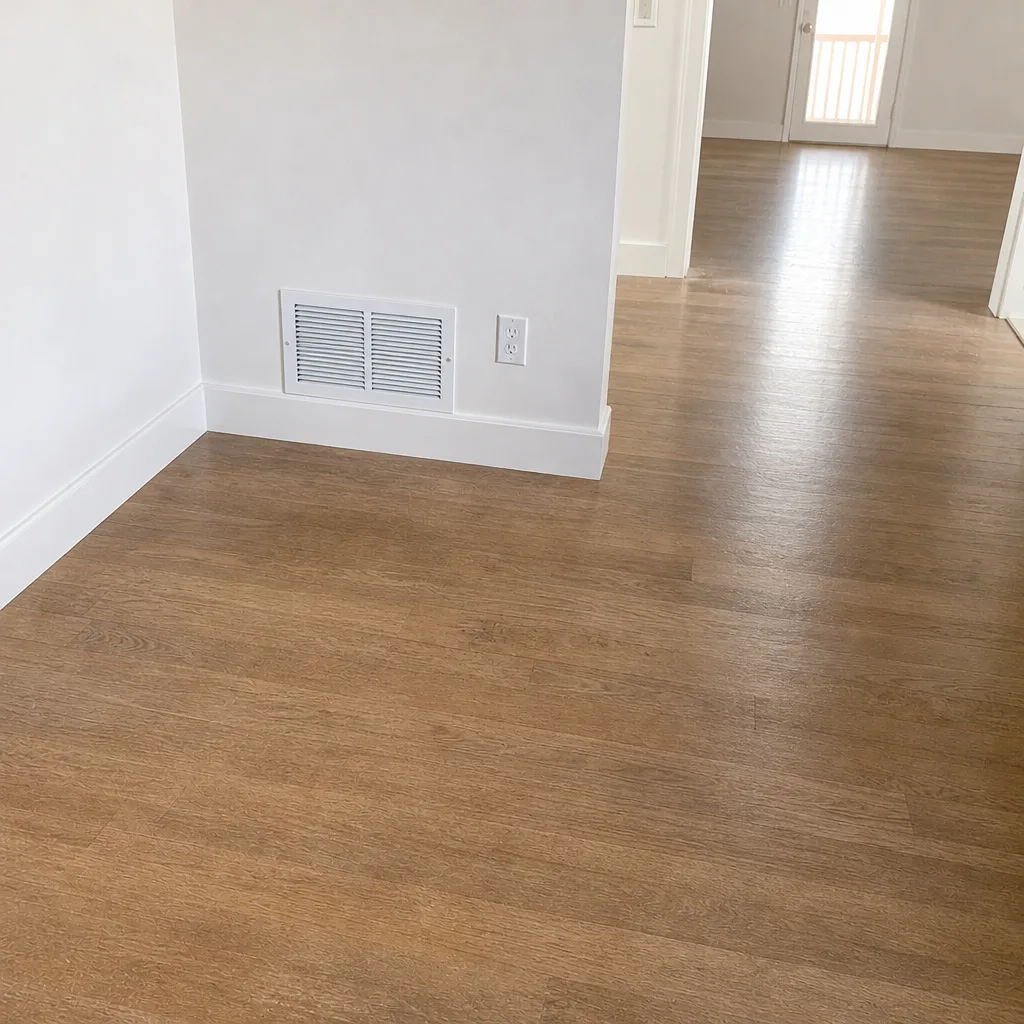 After
 Before
 After
Frequently Asked Questions
Professional duct cleaning requires three equipment categories: negative-pressure vacuum systems, rotary brush agitation systems, and containment equipment for heavy-debris jobs. Rotobrush rotary brush systems, Nikro HEPA vacuums rated to 0.3 microns, and Abatement Technologies air scrubbers are the reference brands in each category. A contractor who runs only one of the three is providing a partial cleaning regardless of the time spent.
Cost depends on your system’s size and condition, and pricing is set per job. What you want to avoid is the coupon model, where a low teaser figure expands once the crew is inside the home. Ask for a written estimate for the whole system before work begins, and compare on that basis rather than on an advertised headline price. We price one flat rate per system and confirm it in writing. Call (866) 937-7589 and estimates are free.
Cheap quotes usually reflect cheaper equipment, not a better deal. A contractor operating a shop-vac and a brush can undercut anyone using Rotobrush, Nikro or Abatement Technologies systems because the overhead is dramatically lower, and the cleaning result is correspondingly partial. The lowest quote is typically the one describing the fewest steps. If price is the only difference, the price difference is telling you something.
Ask for before-and-after photos of your own ducts, not stock images. Every professional crew uses a camera-based inspection process during the cleaning, and those images are the record that the debris was removed. If a contractor won’t provide them, treat the refusal as the answer. The other check is a clear description of the process in the quote: containment, agitation, extraction and verification.
Most homes benefit from a professional cleaning every three to five years, and more often after renovation, pest activity or a moisture event. Homes with heavy shedding pets or residents with allergies may want a shorter interval. Salt Lake City’s dry climate keeps mold risk lower than in humid regions, but dust load still accumulates in return trunks, and dryer vents deserve an annual look regardless.
Duct cleaning doesn’t change your home’s humidity. Dry air is a humidification issue, addressed by a whole-home humidifier installed on the supply plenum. Aprilaire and Honeywell make the equipment most often specified in dry climates, and we’re authorized to supply and install both as part of the service scope. Cleaning and humidification solve different problems and often belong in the same plan. Call (866) 937-7589 for a free estimate on either or both.
A complete visit covers airflow inspection, containment setup, mechanical agitation and extraction, and verification photos. Many jobs also benefit from duct repair and sealing to address the leaks and gaps that reduce system efficiency, and dryer vent cleaning if it hasn’t been done recently. IAQ product integration, such as humidifiers, UV-C systems or electronic air cleaners, is a related scope some contractors can spec, supply and install on the same call.
The Bottom Line
Brand names in this trade aren’t trivia; they’re how you tell a cleaning from a vacuum pass. Rotobrush rotary brush systems, Nikro HEPA extraction and Abatement Technologies containment are the equipment tier that produces measurable cleaning outcomes, and contractors who own them will tell you so, plainly, when you ask. The buyer’s move is to ask. Ask about equipment, process, sanitizing products, and whether the contractor fixes duct problems in addition to cleaning them. If the answer sounds like a sales pitch rather than a mechanic’s description of the work, you’ve learned what you needed to know. Salt Lake City homeowners with allergy concerns, kids in the house or a recent renovation have the most to gain from getting this right.
Related Guide
If your HVAC system itself is due for attention, the same principles apply to the equipment and process. See our guide to HVAC cleaning for what that scope covers and how it pairs with duct work. For more on how we approach the full service range, visit Salt Lake City Air Duct Cleaning Pros.
Contact Us
Salt Lake City Air Duct Cleaning Pros is a single-call service for the air your home circulates. Call (866) 937-7589 for a free estimate. We answer 24/7. Fast dispatch from 7am to 7pm, Sunday through Friday. Our technicians have up to 11 years of experience, and our crew works with Rotobrush, Nikro and Abatement Technologies systems on every job.
Written by the team at Salt Lake City Air Duct Cleaning Pros.