
Last updated November 24, 2026
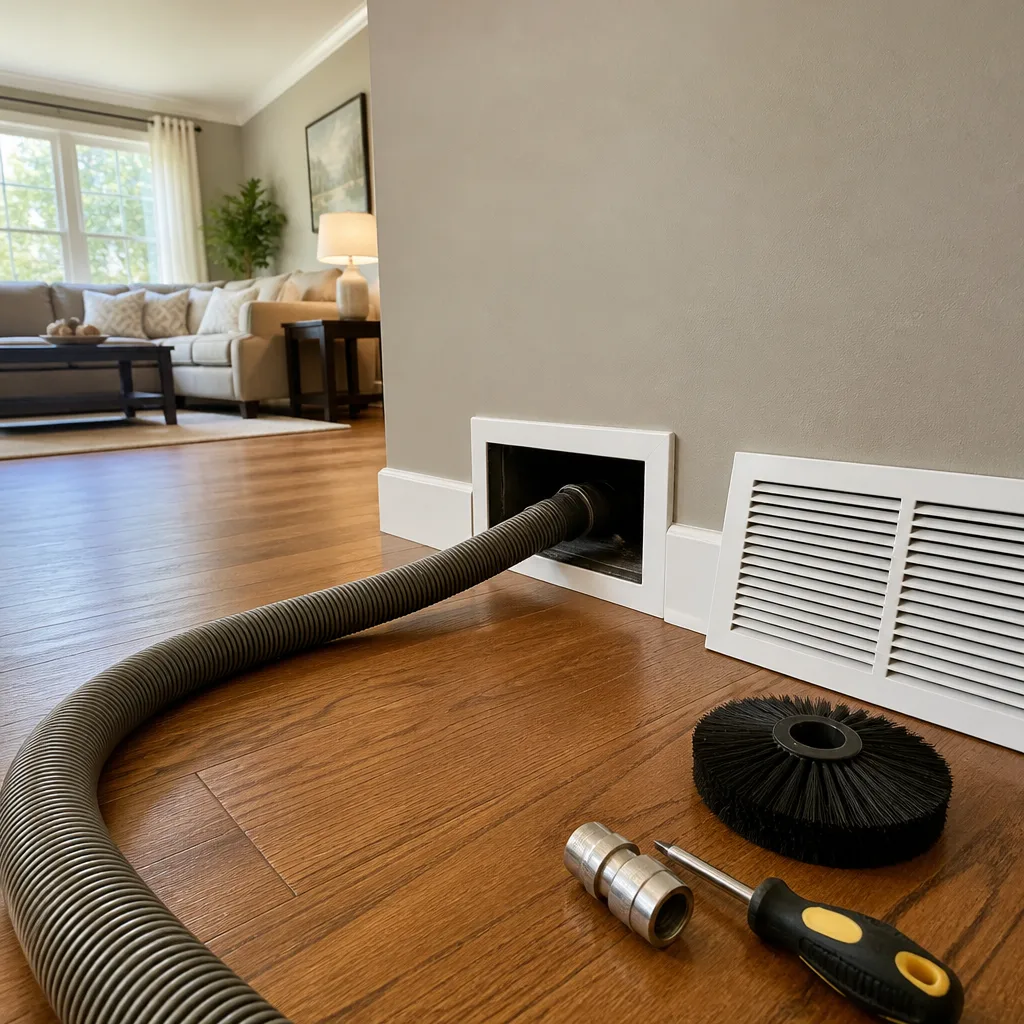 Whole-home duct cleaning
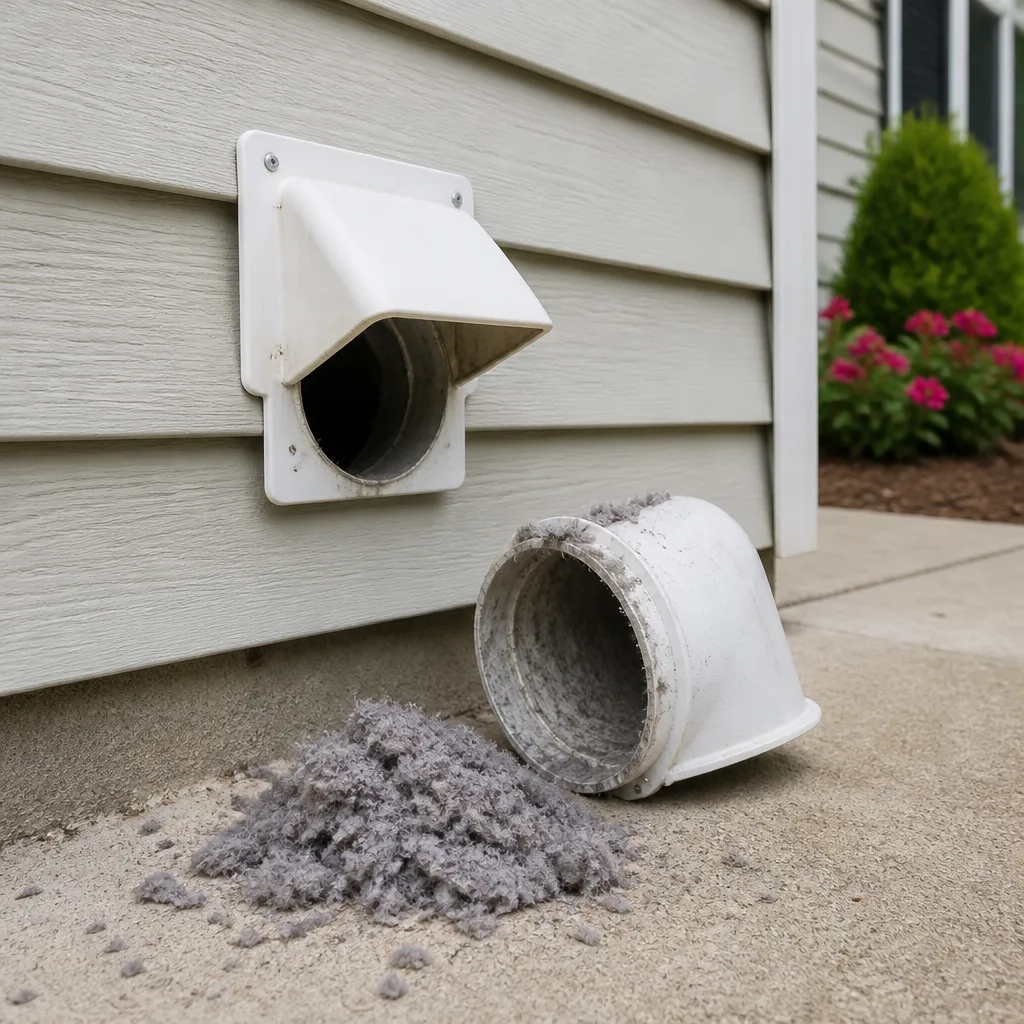 Dryer vent cleaning
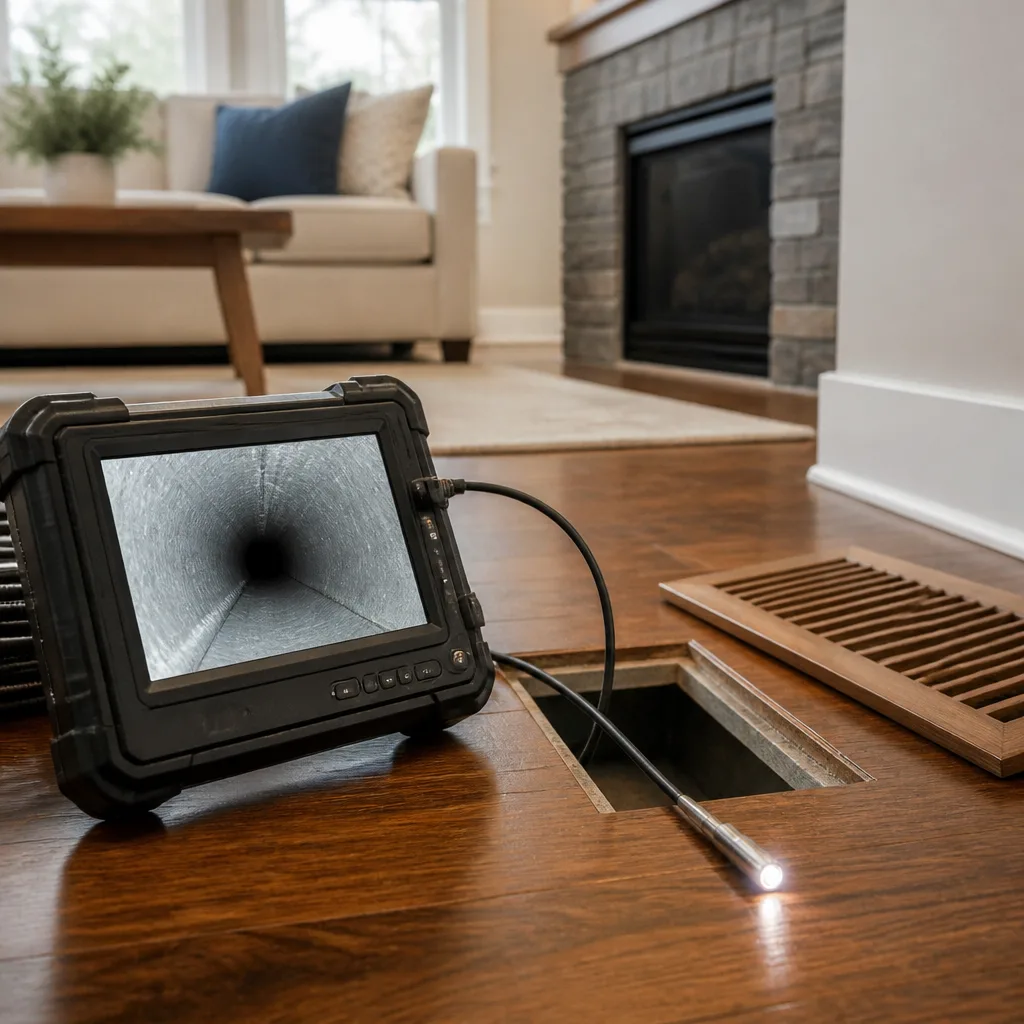 Camera inspection
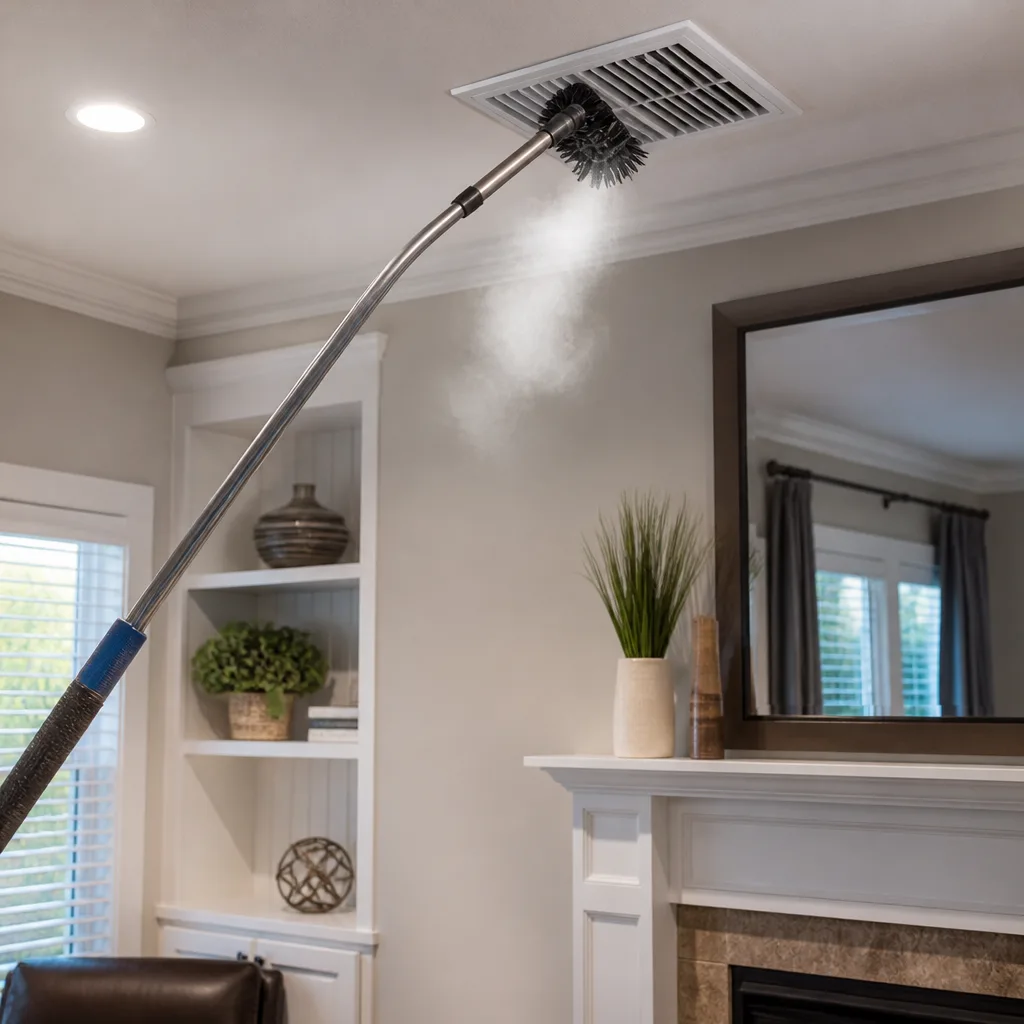 Sanitizing & deodorizing
Whole-system duct and dryer vent check with before-and-after photos - you see exactly what came out of your vents
That "$99 whole-house special" is a bait ad - the real number appears once they are in your hallway, or the "clean" is a shop-vac at the register. We photograph the inside of your ducts before and after instead.
Air Duct Cleaning Troubleshooting in Salt Lake City: Common Problems and How to Fix Them
If your home still smells musty two weeks after a duct cleaning, the technician likely cleaned the symptom and missed the source. Most of what homeowners describe as “dirty duct problems” in Salt Lake City are not contamination at all. They are mechanical failures: a length of flex duct that collapsed behind a wall, a trunk line that pulled apart at a collar in the attic, a return that was undersized from the day it was installed. A vacuum removes what’s loose inside a working system. It does nothing for a system that was never moving air correctly to begin with. This guide walks you through how to tell those two categories apart before you schedule anyone, what fails in Salt Lake City homes specifically, and how to verify a cleaning actually worked once it’s done.
Quick Answer
Air duct problems in Salt Lake City fall into two categories: contamination (debris, dust, mold, odor) and mechanical airflow faults (collapsed or disconnected ducts, leaking joints, undersized returns). Contamination responds to professional cleaning with rotary-brush and HEPA extraction equipment. Mechanical faults only resolve with duct repair and sealing. Diagnosing which one you have before you book a cleaning is the difference between a permanent fix and a repeat visit in six months.
Styles & brands we work with
- Whole-home duct cleaning
- Dryer vent cleaning
- Camera inspection
- Sanitizing & deodorizing
Table of Contents
- How Do You Tell Contamination Issues From Airflow Issues?
- Why Salt Lake City’s Inversion Seasons Change the Troubleshooting Rules
- Where Ducts Fail in Utah’s Boom-Era Housing
- When a Borescope Inspection Is the Only Reliable Diagnosis
- How to Verify a Cleaning Was Actually Effective
- Dryer Vent Problems That Get Mistaken for Duct Problems
- Repair and Sealing vs. Cleaning Again: Which Do You Need?
- When to Call a Professional
How Do You Tell Contamination Issues From Airflow Issues?
Contamination problems show up as something in the air or on surfaces. Airflow problems show up as something missing: weak registers, rooms that never heat or cool evenly, a system that runs long and still doesn’t satisfy the thermostat. The two look similar from the couch, which is why so many people book a cleaning for what is really a duct repair job.
Here’s a simple way to sort them before anyone comes out.
- Run the fan on its own. Switch the thermostat to fan-only and hold a tissue or a piece of tissue paper against a supply register. A register that barely moves the tissue has an airflow problem, not a dirt problem. Compare that register to one in the room that always feels comfortable. A large gap between them points to a branch line issue.
- Smell the difference, not just the presence. A dusty, dry, “old house” smell that fades once the fan runs for a few minutes is usually settled debris. A musty or damp smell that gets stronger the longer the system runs points to moisture somewhere in the system or the building envelope. Those two need different responses.
- Look at the return grille, then look past it. A dusty return grille tells you almost nothing. Pull the grille if you can reach the screws safely and look at the duct surface behind it. Loose dust sitting on the bottom of a trunk line is normal and cleanable. Staining, standing moisture, or material that has visibly separated from the duct wall requires a camera inspection, not a cleaning estimate.
- Listen at the registers. Whistling or hissing at a supply register often means the duct is undersized or the register is throttled too far closed. That’s a design issue. Cleaning cannot fix a design issue.
- Check the filter housing. If the filter sits loosely, is the wrong size, or has visible gaps around the frame, unfiltered air is bypassing it. No amount of duct cleaning compensates for an unfiltered return.
The distinction matters because it changes what you buy. If you have contamination, you need air duct cleaning with real extraction equipment. If you have airflow faults, you need duct repair and sealing. Sometimes you need both, and a company that only sells cleaning will quote you cleaning either way.
Why Salt Lake City’s Inversion Seasons Change the Troubleshooting Rules
Most duct troubleshooting advice online was written for humid climates, and it doesn’t map onto the Wasatch Front. Salt Lake City sits in a valley ringed by mountains, and during winter inversions cold air and the particulates in it get trapped below the warmer layer above. That trapped air is what your home is breathing from, and it changes what a duct problem looks like here.
In a humid climate, the classic failure is biological growth: condensation on cold duct surfaces, standing moisture in a plenum, musty growth that shows up fast. In Salt Lake City, the air is dry most of the year, so moisture-driven growth is less common in the ductwork itself. What you get instead is particulate loading. Fine dust, wood smoke, and road grit accumulate on duct walls and on the return side of the system far more than they would in a wetter climate, and they don’t announce themselves with a smell the way mold does.
The practical consequence is that visual inspection of the return grille is even less useful here than elsewhere. A Salt Lake City return grille can look almost clean while the trunk line behind it holds a thick film of fine sediment. Homeowners who check the grille, decide the ducts are fine, and then wonder why allergy season hits harder than it should are usually looking at exactly this.
The other local factor is seasonality of symptoms. Inversion season runs through the coldest months, when windows are shut and the furnace runs constantly. That’s when stale air, dust film on furniture, and that closed-up smell show up. By spring the system cycles less and the complaints fade, which convinces people the problem resolved itself. It didn’t. It went dormant until the next heating season.
Containment matters more here, too. Any cleaning process that dislodges sediment into open air in a valley already carrying trapped particulates makes the indoor air worse before it makes it better. That’s why remediation-grade air scrubbing equipment belongs on the job, and why a shop vacuum and a hose is not the same product.
Where Ducts Fail in Utah’s Boom-Era Housing
Duct failures cluster by construction era. Utah grew in distinct waves, and each wave left behind a characteristic set of weak points. Knowing which era your home belongs to narrows down where to look first.
1970s slab-on-grade homes
Homes from this era often ran ductwork through or under the slab, with short risers feeding floor registers. The failure mode here is the riser-to-trunk connection. Over decades of thermal cycling, the seal at that junction cracks or separates, and the system starts pulling air from the soil or crawl space instead of the return. Symptoms include cool floors, a persistent dusty smell when the heat first comes on for the season, and a noticeable drop in airflow at the registers farthest from the furnace. These connections are not accessible without cutting into the floor, which is why a camera inspection matters before anyone promises a fix.
1990s tract housing
The 1990s subdivisions that spread across the valley floor and up toward the benches were built fast, and a lot of the flex duct in those attics was installed under time pressure. The recurring problems are sagging flex runs with too few supports, sharp bends at the plenum that crush the inner liner, and flex that has slipped off the collar at a boot or a trunk takeoff. A disconnected flex run in a 1990s attic is one of the most common airflow complaints we run into. The register in the affected room goes nearly dead while every other room in the house works fine. The fix is mechanical: reconnect, reseal, and support the run properly.
Newer construction and remodels
Newer homes are tighter, which is good for energy use and less forgiving of a poorly sealed return. A small leak in an older, leakier house gets diluted by all the other leaks. In a tight house, that same leak pulls air from wherever it can find it, sometimes a garage or an attic. If your home was built or substantially remodeled in the last twenty years and you notice odd smells when the system runs, a return leak is worth ruling out early.
In every era, there’s one more thing worth checking before you blame the ducts: dryer vent routing. A crushed or lint-packed vent can push humidity and heat back into the laundry area and make the whole house feel stale, which people misread as a duct problem. That’s one reason we treat dryer vent cleaning as part of the same conversation rather than a separate upsell.
When a Borescope Inspection Is the Only Reliable Diagnosis
Sometimes you can’t see enough from the accessible ends to know what’s wrong. That’s when a camera goes in. A borescope inspection is a small camera on a flexible rod fed through a register, a return, or a plenum opening, and it’s the only way to see what’s happening inside a duct run that has no other access point.
You need one when the symptoms are real but the accessible parts look fine. Specifically:
- One or two rooms have weak airflow while the rest of the house works normally, and the accessible duct at that register looks intact.
- There’s an odor that returns after a cleaning and you can’t trace it to a room.
- You’re in a 1970s slab home and suspect a riser or trunk junction failure under the floor.
- Someone has already cleaned the system and the symptoms came back within a season.
- A contractor has quoted a repair or a replacement without showing you footage. Ask to see it.
The footage itself is the useful part, and it should tell a clear story. Before cleaning, expect to see sediment buildup along the bottom of the duct, dust clinging to the walls, and any visible gaps, tears, or separated joints. After cleaning, the duct walls should read as the material they’re actually made of: bare galvanized metal or clean flex liner, no film, no debris piles, and no change in the physical condition of the duct. If the after-footage looks like the before-footage with a better camera angle, the work wasn’t done.
What camera footage will not tell you is how much air is moving. For that, you need a pressure reading, which is the next section.
How to Verify a Cleaning Was Actually Effective
Visual inspection of the return grille is close to worthless as proof of work. The grille is the one part of the system the homeowner can see, so it’s the part that gets wiped down. Effectiveness shows up in numbers, not in how clean the grille looks.
What a technician should be measuring is static pressure at the registers and at the air handler. Static pressure is the resistance the blower is pushing against. High static pressure means the system is working harder than it should to move the air it needs. After a proper cleaning and any necessary sealing, static pressure at the registers should come down and airflow should come up. That’s the objective proof.
Here’s what a verification visit should include:
- A baseline reading before any work starts. Static pressure at the air handler and airflow at a representative sample of registers. Without a baseline, there’s nothing to compare against.
- Before-and-after photographs of your own ducts, not stock images. Under proper lighting, taken inside the system.
- A repeat static pressure reading after cleaning and any sealing work. This is the number to ask for.
- A register-by-register airflow check. Every supply should be moving air. If one isn’t, that’s a mechanical finding, not a cleaning finding.
- A written summary of anything found but not fixed, especially duct faults that need repair rather than cleaning.
This is where equipment choice shows up in the results. Rotary-brush extraction systems agitate and pull debris off duct walls rather than just blowing air through the system. HEPA-rated extraction captures fine particles instead of redistributing them into the room. And remediation-grade air scrubbing keeps the air in the work area controlled while the job is happening. Those three things together are what make the after-measurements actually improve. If a contractor can’t tell you what they’ll measure before and after, they’re selling a visual service, not a verified one.
Air quality products sit on top of this. Once the system is clean and sealed and moving air correctly, whole-home filtration and humidity control from brands like Aprilaire and Honeywell can hold the result. Putting a high-efficiency filter on a system with a collapsed duct and a leaking return is putting a better door on a broken frame. Fix the system first.
Dryer Vent Problems That Get Mistaken for Duct Problems
A surprising share of “duct problems” in Salt Lake City homes turn out to be dryer vent problems. The symptoms overlap: stale air, a laundry room that feels humid, lint film on surfaces, a house that smells slightly off. Homeowners assume the HVAC ducts are dirty when the real issue is a vent run that’s crushed behind the dryer or packed with lint.
The dryer vent is also the one item on this list with a safety dimension that the HVAC side doesn’t have. Lint is highly combustible, and a vent that’s restricted does two things at once: it traps heat in the duct and it pushes the dryer to run longer and hotter. That combination is the reason dryer vent cleaning belongs on a maintenance schedule, not a to-do list.
Signs your dryer vent needs attention rather than your ducts:
- Clothes take noticeably longer than one cycle to dry.
- The dryer body or the wall behind it gets hot to the touch.
- The laundry area feels humid while the dryer runs.
- You can’t remember the last time the vent was cleaned, or the flexible run behind the dryer is kinked or crushed.
- The exterior vent flap doesn’t open fully or doesn’t open at all when the dryer runs.
If you’re already scheduling work on the system, it makes sense to handle the dryer vent in the same visit. One call covering ducts, HVAC cleaning, and the dryer vent keeps you from booking three separate contractors and comparing three separate sets of findings.
Repair and Sealing vs. Cleaning Again: Which Do You Need?
This is the decision that saves homeowners the most money, and it’s the one most often made wrong. The rule is simple: if the symptoms came back after a cleaning, or if the problem is localized to specific rooms, you probably need repair and sealing, not another cleaning.
Cleaning is the right answer when the contamination is general. Dust film throughout the system, sediment loading on the trunk line, debris from a renovation or pest issue, or a system that hasn’t been cleaned in a long time and is now showing it across every room. Cleaning removes what’s there.
Repair and sealing is the right answer when the problem is structural. Air is escaping or entering where it shouldn’t, which means the system is pulling contamination in from an attic, a crawl space, or a garage, and it’s losing conditioned air into the same places. Signs of that:
- Airflow is weak at specific registers while others are strong.
- Dust returns quickly after cleaning, especially in one area of the house.
- The system runs long and the house still doesn’t feel comfortable.
- You can see or feel air movement at duct joints in the attic or basement.
- Camera footage shows separated joints, torn flex, or a crushed section.
In practice, most Salt Lake City homes with real symptoms need both, in the right order. A complete job clears the contamination, repairs and seals the faults that caused it, and sanitizes the system once it’s clean and tight. Cleaning without repair leaves the source in place. Repair without cleaning leaves the debris behind. Doing them out of order wastes the cleaning.
See the difference
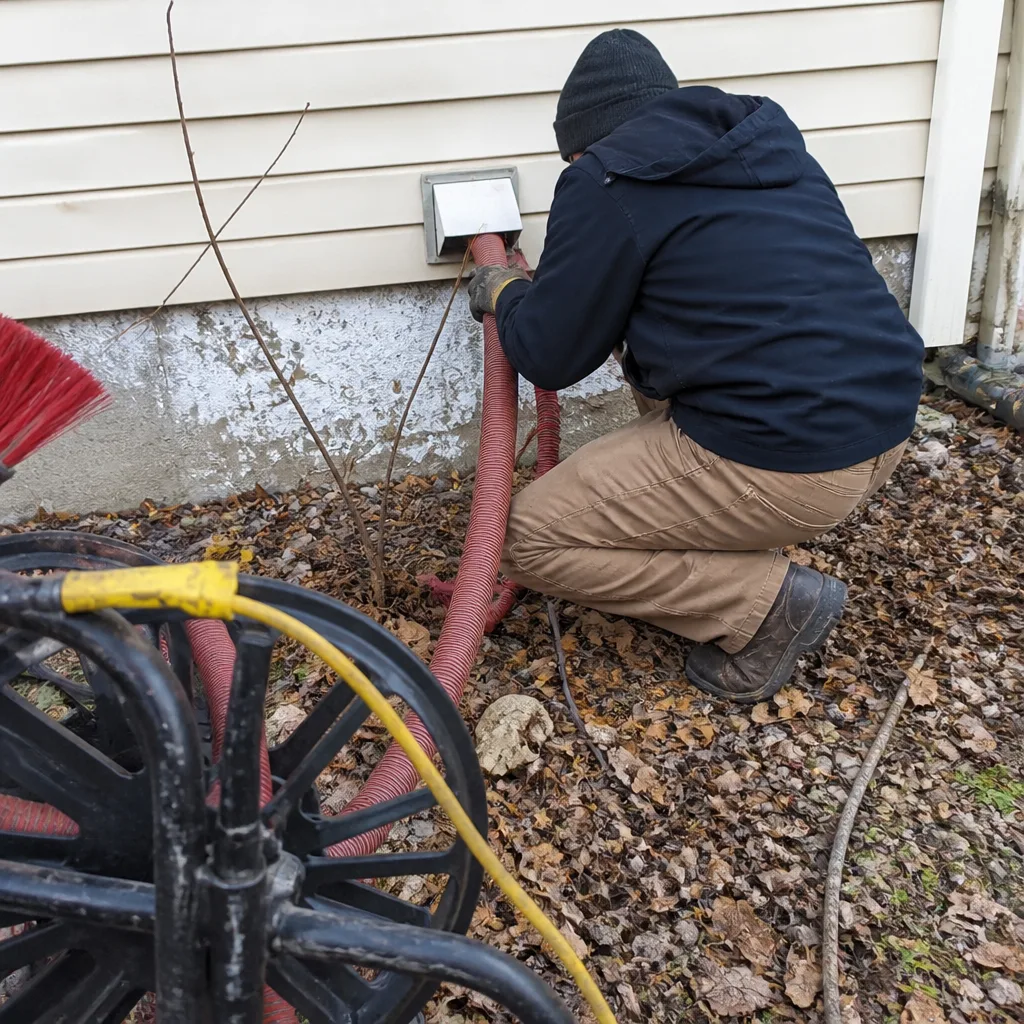 Before
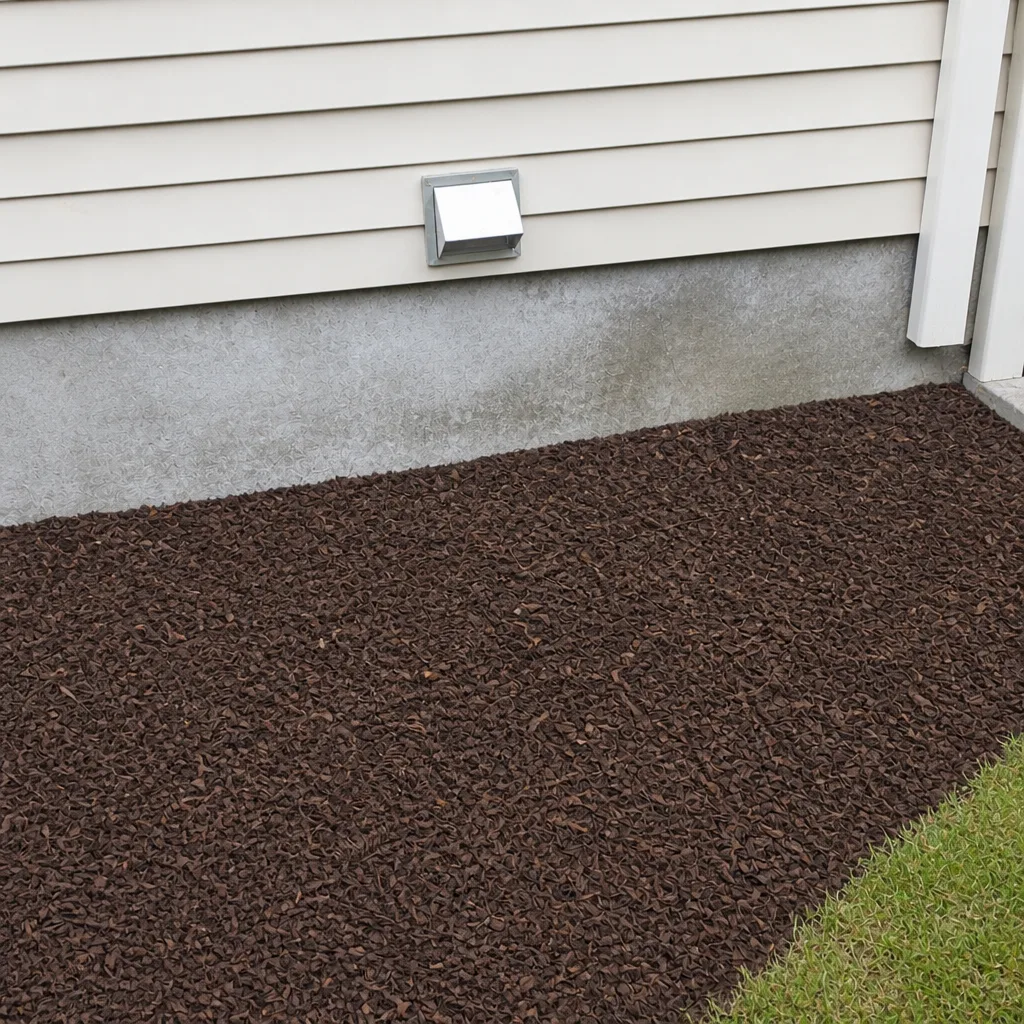 After
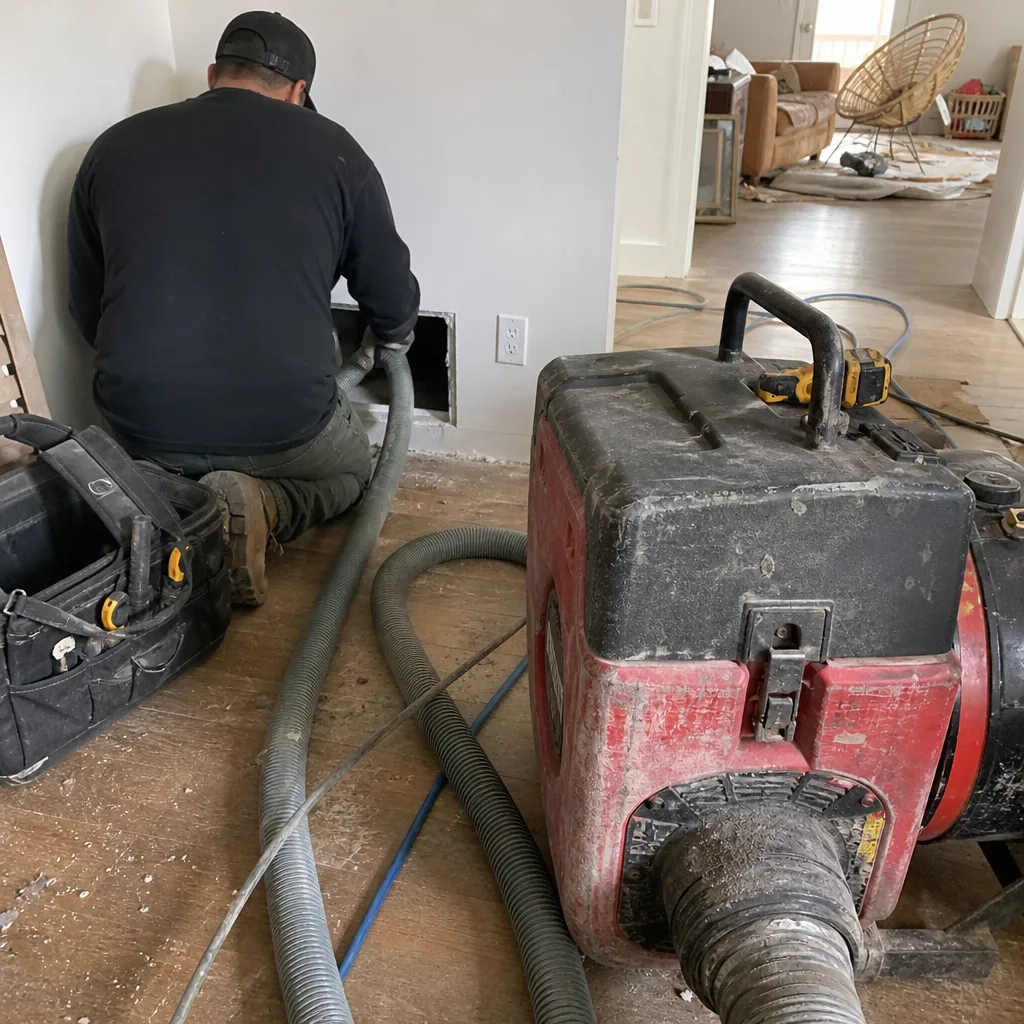 Before
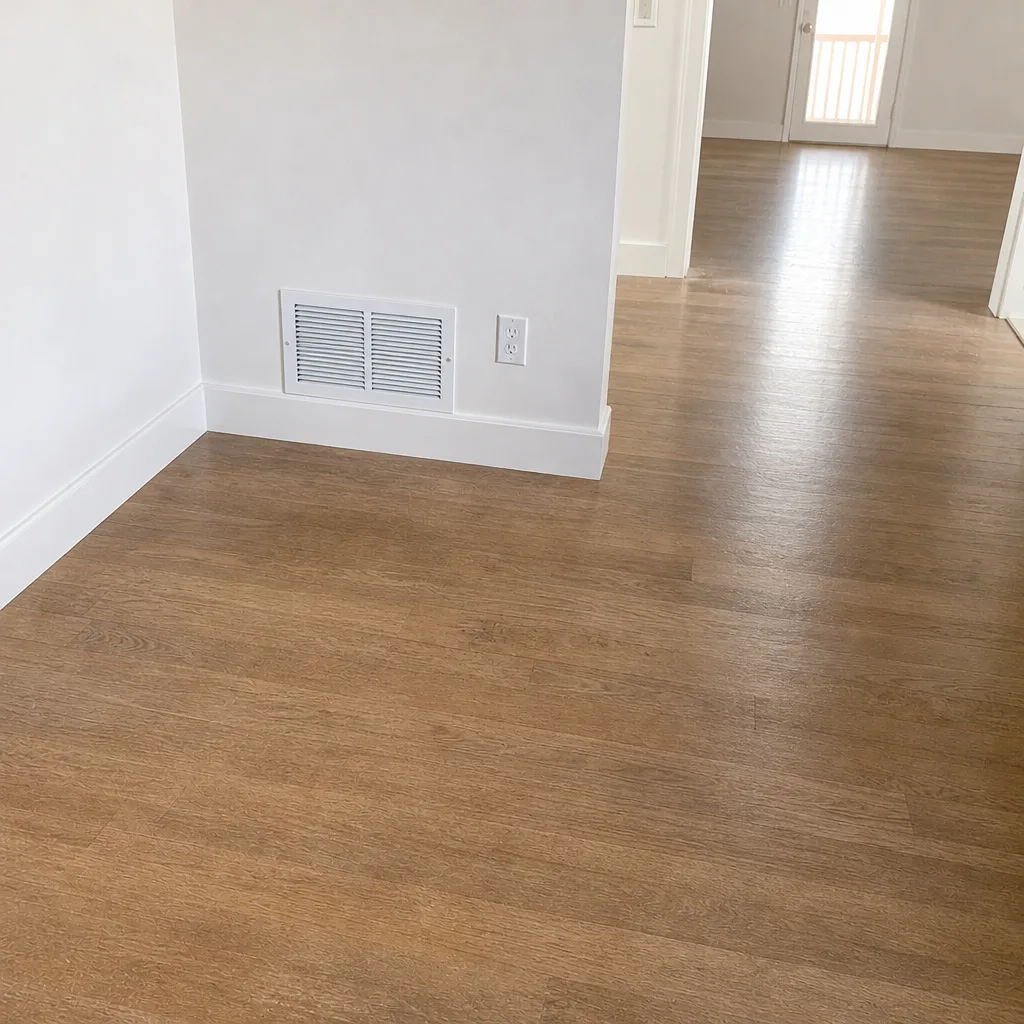 After
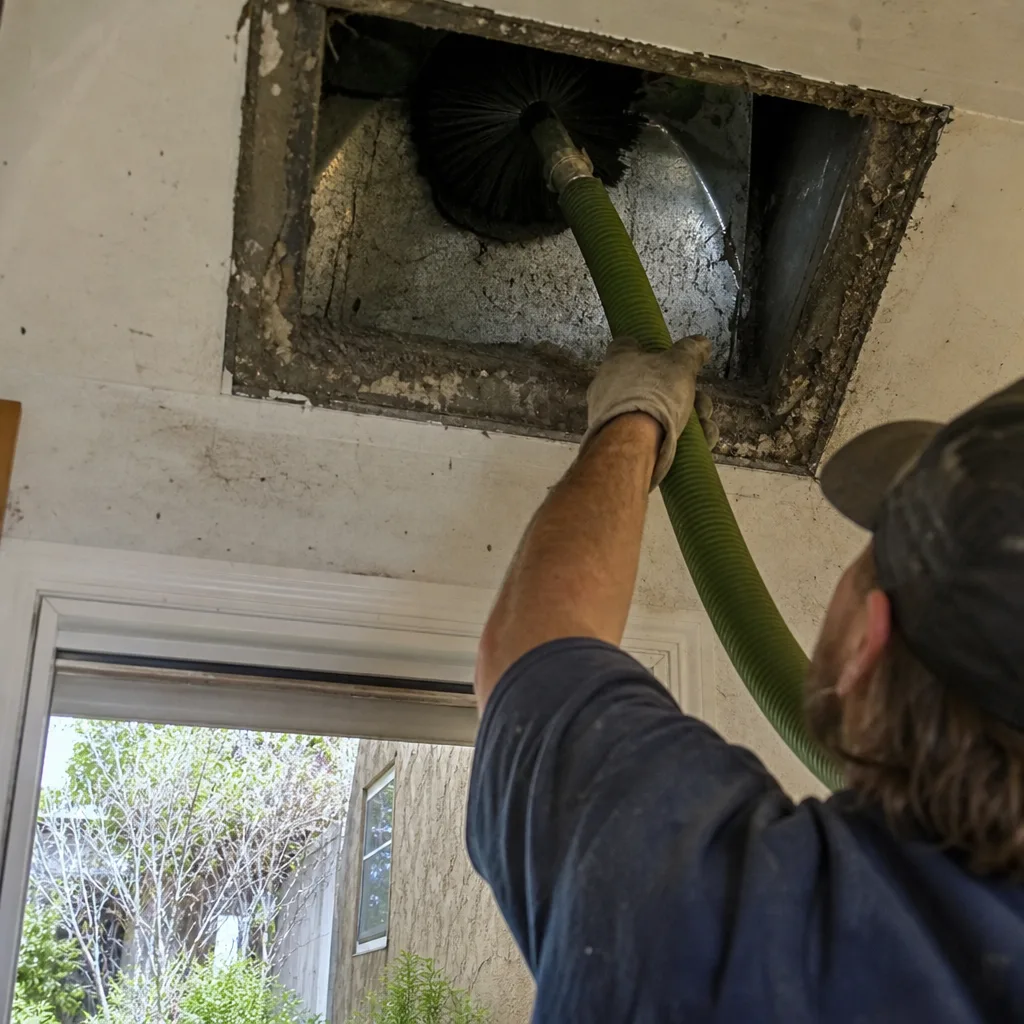 Before
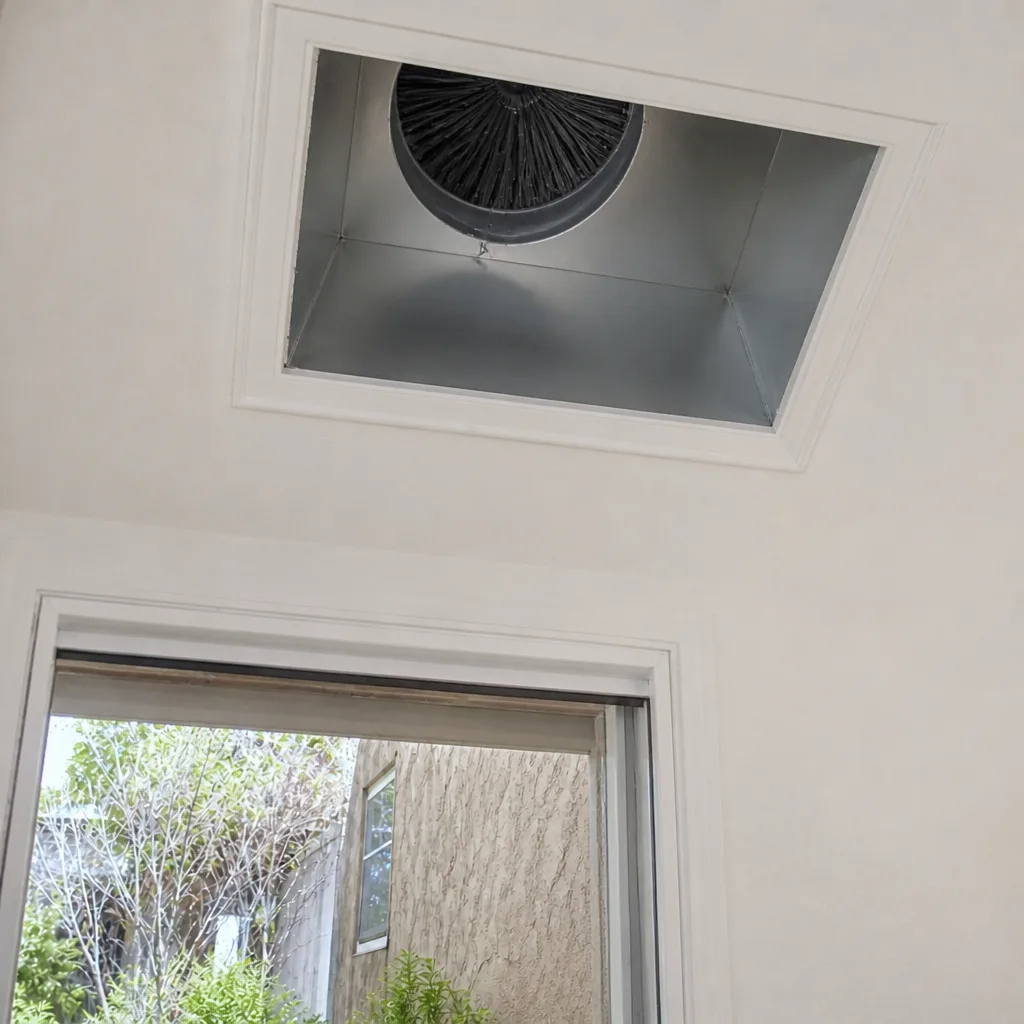 After
Common Mistakes to Avoid
- Booking a cleaning based on the return grille alone. The grille is the easiest surface to wipe and the least informative. Look past it, or ask for camera footage, before you commit to a scope of work. A clean grille over a loaded trunk line is a Salt Lake City pattern, not a rare one.
- Treating weak airflow as a dirt problem. If one room is cold and the rest of the house is fine, you’re dealing with a duct fault almost every time. Cleaning a collapsed flex run doesn’t uncollapse it.
- Skipping the baseline measurement. If nobody measures static pressure or airflow before the work starts, there’s nothing to prove the work did anything. Ask for the numbers up front.
- Accepting a quote without a stated scope. A price without a defined scope isn’t a quote, it’s a starting point. You want the estimate to say exactly what’s included and what’s not, in writing, before work begins.
- Believing a cleaning should fix allergies permanently. Cleaning removes what’s in the system. If the system keeps pulling air from an attic or a crawl space through an unsealed joint, new contamination arrives every heating season. Seal the system or the result won’t hold.
- Ignoring the dryer vent because the HVAC side was just done. They’re separate systems with separate failure modes, and the dryer vent has the fire-risk angle. If it hasn’t been cleaned, it hasn’t been cleaned.
- Adding filtration before fixing the system. A high-efficiency filter on a leaking, undersized, or crushed system just adds resistance to a system that’s already struggling. Fix the airflow, seal the leaks, then upgrade the filtration.
- Hiring on price alone in a market full of coupon offers. A low headline price usually means a per-vent charge that grows once the technician is on site. Ask for one flat price for the whole system, agreed before work starts, and before-and-after photos of your own ducts.
When to Call a Professional
Some of this you can check yourself. Holding a tissue to a register and looking behind the return grille are safe, useful steps. But the moment the diagnosis points to a duct fault inside a wall or attic, or to anything involving standing moisture, or to electrical components in the air handler, stop. Duct repair requires opening the system, and air handler work involves high-voltage components and gas connections that need a trained professional. This is not a job for a homeowner with a shop vac and a ladder.
Call a professional when airflow is uneven across rooms, when a smell returns after a cleaning, when a camera inspection is needed, when a duct has visibly separated or collapsed, when the dryer vent is restricted by heat or slow drying, or when you’ve had renovation, pest, or moisture work done in the home. Salt Lake City Air Duct Cleaning Pros offers free estimates in Salt Lake City. Call (866) 937-7589. We answer 24/7. Fast dispatch from 7am to 7pm, Sunday through Friday. Our technicians have up to 11 years of experience, and the estimate is free, set per job in writing before any work starts.
Frequently Asked Questions
If your symptoms are general (dust throughout the house, a system that hasn’t been cleaned in years, debris after renovation), you likely need cleaning. If airflow is weak in specific rooms, or symptoms return after a cleaning, you likely need duct repair and sealing. The distinction is whether the system is contaminated or whether it’s structurally leaking, crushed, or disconnected.
Salt Lake City sits in a valley where winter inversions trap particulates below the warmer air layer, and the air is dry enough that fine sediment accumulates on duct surfaces rather than washing through. During heating season with windows shut, that loading builds up faster than it would in a wetter, windier climate. Sealing the system helps, because an unsealed return pulls that particulate-laden air in from wherever it can find it.
Contamination is something present that shouldn’t be: dust, debris, odor, or visible growth inside the system. An airflow problem is something missing: weak registers, rooms that never balance, a blower working against too much resistance. Contamination responds to cleaning. Airflow problems respond to repair, sealing, and sometimes duct redesign. Cleaning one when you need the other wastes money.
Cost depends on the size of the system, the number of runs, the level of contamination, and whether repair or sealing is needed. We set one flat price per system based on a written estimate before work begins, and we don’t charge per vent. Call (866) 937-7589 for an exact quote. Estimates are free.
Because a low headline price usually isn’t the price you end up paying. The common pattern is a per-vent charge that multiplies once the technician is on site, or a basic blow-through that doesn’t extract debris or verify the result. Ask for a written scope, one flat price per system, and before-and-after photos of your own ducts. If a contractor can’t provide all three, the cheap quote is the expensive one.
For most homes, every few years is reasonable, not every year. The schedule should shorten if you’ve had renovation, pest, or moisture issues, if you have pets or allergy suffers in the household, or if your system is pulling in dust through unsealed joints. If you’re in a Salt Lake City home with a leaking return, the honest answer is that no cleaning interval holds until the leak is sealed.
The Bottom Line
Most duct problems are diagnosed wrong because the symptoms look like dirt and the cause is mechanical. Before you book a cleaning, run the fan-on check, compare airflow across registers, and ask what will be measured before and after the work. In Salt Lake City, the inversion season makes sediment loading worse and visual inspection less useful, so camera verification and static pressure readings matter more here, not less. Clean the system, repair and seal what caused the contamination, then add filtration to keep it clean. One call covers your ducts, dryer vent, and air quality, and the estimate is free.
Call (866) 937-7589 for a free estimate. We answer 24/7. Fast dispatch from 7am to 7pm, Sunday through Friday. You can also start with Salt Lake City air duct cleaning pros for the full picture of what we do.
Written by the team at Salt Lake City Air Duct Cleaning Pros.